Transportation & Infrastructure
FRSC and NIMC Partner on Data Integration for Security: What This Means for Driver License Holders

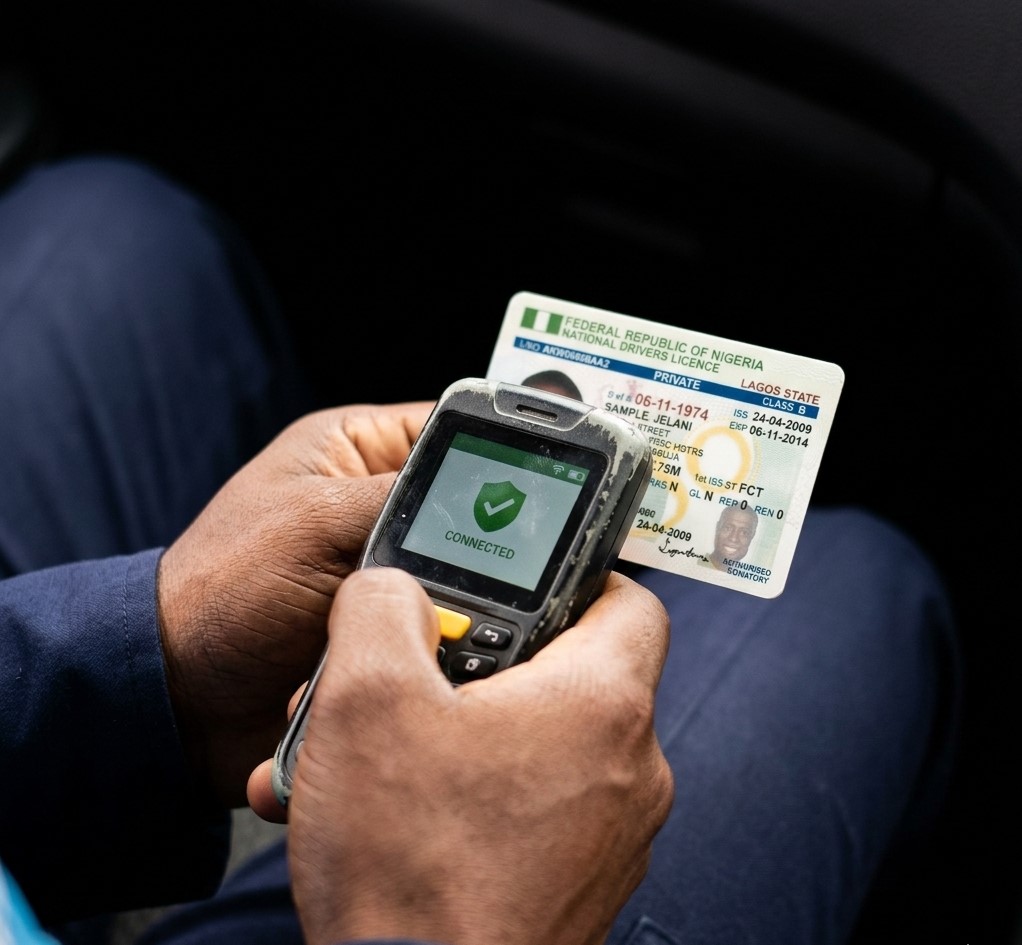
FRSC and NIMC Partner on Data Integration for Security
A driver license is no longer just proof that you can handle a vehicle on Nigeria’s roads. It is now an identity document that carries your National Identification Number (NIN) within its digital record. The partnership between the Federal Road Safety Corps and the National Identity Management Commission has transitioned from policy discussions to active database synchronization.
According to official reports, the ongoing integration allows both agencies to share verification data. This means when an FRSC officer processes your license, the system checks that your NIN matches the license details. This synchronization aims to reduce the need for physical paper printouts and manual verification steps.
The Weight of This Connection
News outlets reported in early 2026 that the FRSC has intensified the enforcement of NIN linkage for all driver licenses. While valid licenses continue to be recognized, those without verified NIN data may face delays or restrictions during renewal or verification. The push for total data harmony reached a major milestone on March 1, 2026.
BusinessDay analyzed the security implications of this move. The NIN requirement acts as a safeguard against identity theft and the use of fraudulent licenses. Since every license is tied to biometric data in the national database, the ability to use aliases or mismatched identities has been significantly curtailed. The system is designed to flag discrepancies in physical characteristics or facial data.
The Federal Ministry of Interior has indicated that this integration supports the broader digital identity agenda. Your driver license functions as a reliable identity card, provided the NIN data matches. Any significant discrepancy between your name on both databases may lead to a temporary hold on the record until corrected.
What Changes for License Holders
Financial and tech analysts broke down the practical effects of this integration in recent 2026 reviews. Three major shifts affect every driver:
License Renewal Now Requires NIN Verification First
You cannot renew your license without a verified NIN. The FRSC system queries the NIMC database during the application process. If your biometric data matches, the process continues. If the system detects a mismatch—such as name spelling differences or conflicting dates of birth—the application is paused. You must visit a NIMC enrollment center to update your records before the FRSC can proceed.
This requirement has increased activity at NIMC offices across the country. Citizens with legacy data errors are now required to update their information. Common issues include the use of shortened names or nicknames on one document that do not appear on the other, leading to system rejections until the records are synchronized.
Traffic Offences Now Link to Your Identity
When a traffic violation is recorded, the system links the offense to your unique identity via the NIN. This shift improves enforcement capabilities by ensuring that driving histories are consistent. Previously, records were often fragmented by state; digital integration ensures that a driver’s history is accessible to authorized officers regardless of where the license was issued.
Your driving history now follows you across every state. This encourages better compliance with road safety laws, as penalties and points are tied to the individual rather than just the physical card.
Third-Party Verification Becomes Faster
Banks, employers, and other agencies can verify driver license authenticity through an integrated portal. Channels Television and other outlets have noted that financial institutions increasingly accept the driver license for account opening when NIN verification is successful. This reduces the number of separate documents a citizen must provide for routine services.
The Technical Reality on Ground
Arise News and technical experts have discussed the architecture behind this data sharing. The system uses NIMC verification protocols to handle high volumes of requests. While license data is managed by the FRSC, verification checks query the NIMC database to ensure the NIN is valid. The main technical hurdle has been the standardization of name formats and data fields between the two legacy systems.
Common Challenges
Discrepancies in dates of birth or maiden names remain the most frequent causes of verification failure. Women who have changed their surnames after marriage often find they must update their NIMC records to match their current driver license. While NIMC provides services for data modification, these updates often involve administrative fees and processing times.
Unresolved Gaps
Industry reports identify a few remaining hurdles:
Network Dependencies
The system requires both FRSC and NIMC servers to be online. If either network experiences downtime, digital verification can be delayed, forcing officers to rely on temporary manual checks.
Correction Backlog
Due to the volume of people seeking to synchronize their data, waiting times for correction appointments can be lengthy in urban centers. During this period, citizens may find their ability to renew licenses limited.
Rural Access
Drivers in rural areas often have to travel to city centers for both NIMC updates and FRSC renewals, adding a logistical cost to the process of staying compliant.
What Citizens Can Do Right Now
Verify Your NIN Details Early
Visit the NIMC self-service portal or a center to confirm your name and date of birth match your other official documents. Initiate any necessary corrections before your license expires to avoid a lapse in your driving credentials.
Check Your License Status Online
The FRSC provides an online portal to check license validity. Using this tool can help you identify if there is a “NIN mismatch” flag on your file before you head to an office for renewal.
Maintain Clear Records
Ensure your NIN slip and license are in good condition. Faded barcodes can cause scanning failures at verification points. Keeping a clear digital photo of your documents on your phone can serve as a helpful reference, though it does not replace the physical card.
Use Official Complaint Channels
The FRSC maintains helpdesk lines for integration issues. If you experience persistent technical errors during verification, use these official channels to lodge a report with your NIN and license number.
Looking Ahead
To assist those most affected by the transition, stakeholders have suggested deploying mobile verification units to high-traffic areas like motor parks. This would allow commercial drivers to resolve data issues without losing work days. As the digital bridge between FRSC and NIMC matures, the goal is for the system to become a background utility that simplifies, rather than complicates, the lives of Nigerian road users.


Construction and Real Estate Sector Outlook 2026 in Nigeria: Prices, Policies, and What Tenants Face

Why Healthcare Workers Keep Getting Infected With Lassa Fever: The 2026 Reality

Nigeria Produces 67 Percent Global Yam Output – FG Says: The Numbers Behind the Tuber

FRSC and NIMC Partner on Data Integration for Security: What This Means for Driver License Holders

How Nollywood Grew Without Government Support

Entertainment as the Next Hope for Nigeria After Oil: What the Numbers Really Show

How One Misplaced Dot Broke a Bank Login Page

Nigerian Hackers: The Global Fraud Story and Its Fallout

Internet Sovereignty: Why Some Countries Want Their Own Separate Internet

Forgotten Satellites Defy Silence, Beaming Signals for Decades

The Untold Story Of The Nigerian Who Helped Build Global Internet Systems

Why Are You Hiding Your Business From People With Money?
Internet Sovereignty: Why Some Countries Want Their Own Separate Internet
How One Misplaced Dot Broke a Bank Login Page
The Untold Story Of The Nigerian Who Helped Build Global Internet Systems
Nigerian Hackers: The Global Fraud Story and Its Fallout
Forgotten Satellites Defy Silence, Beaming Signals for Decades

The “Village People” Aren’t Blocking Your Sales; Your Bad SEO Is.

The Business That Died because the Owner Refused to “Go Beyond.”
Why Are You Hiding Your Business From People With Money?
Entertainment as the Next Hope for Nigeria After Oil: What the Numbers Really Show
FRSC and NIMC Partner on Data Integration for Security: What This Means for Driver License Holders
Nigeria Produces 67 Percent Global Yam Output – FG Says: The Numbers Behind the Tuber
Why Healthcare Workers Keep Getting Infected With Lassa Fever: The 2026 Reality
 Edutech Portal2 weeks ago
Internet Sovereignty: Why Some Countries Want Their Own Separate Internet
- Digital Hustle2 weeks ago
How One Misplaced Dot Broke a Bank Login Page
- Edutech Portal2 weeks ago
The Untold Story Of The Nigerian Who Helped Build Global Internet Systems
- Edutech Portal2 weeks ago
Nigerian Hackers: The Global Fraud Story and Its Fallout
- Edutech Portal2 weeks ago
Forgotten Satellites Defy Silence, Beaming Signals for Decades
- Edutech Portal2 weeks ago
The “Village People” Aren’t Blocking Your Sales; Your Bad SEO Is.
- Edutech Portal2 weeks ago
The Business That Died because the Owner Refused to “Go Beyond.”
- Edutech Portal2 weeks ago
Why Are You Hiding Your Business From People With Money?