Smart Infrastructure
The Use of NIN to Trace Phone Calls and Messages
Discover how the Use of NIN to Trace calls and messages creates a digital bridge for security. Explore the impact of identity linkage on Nigerian safety.

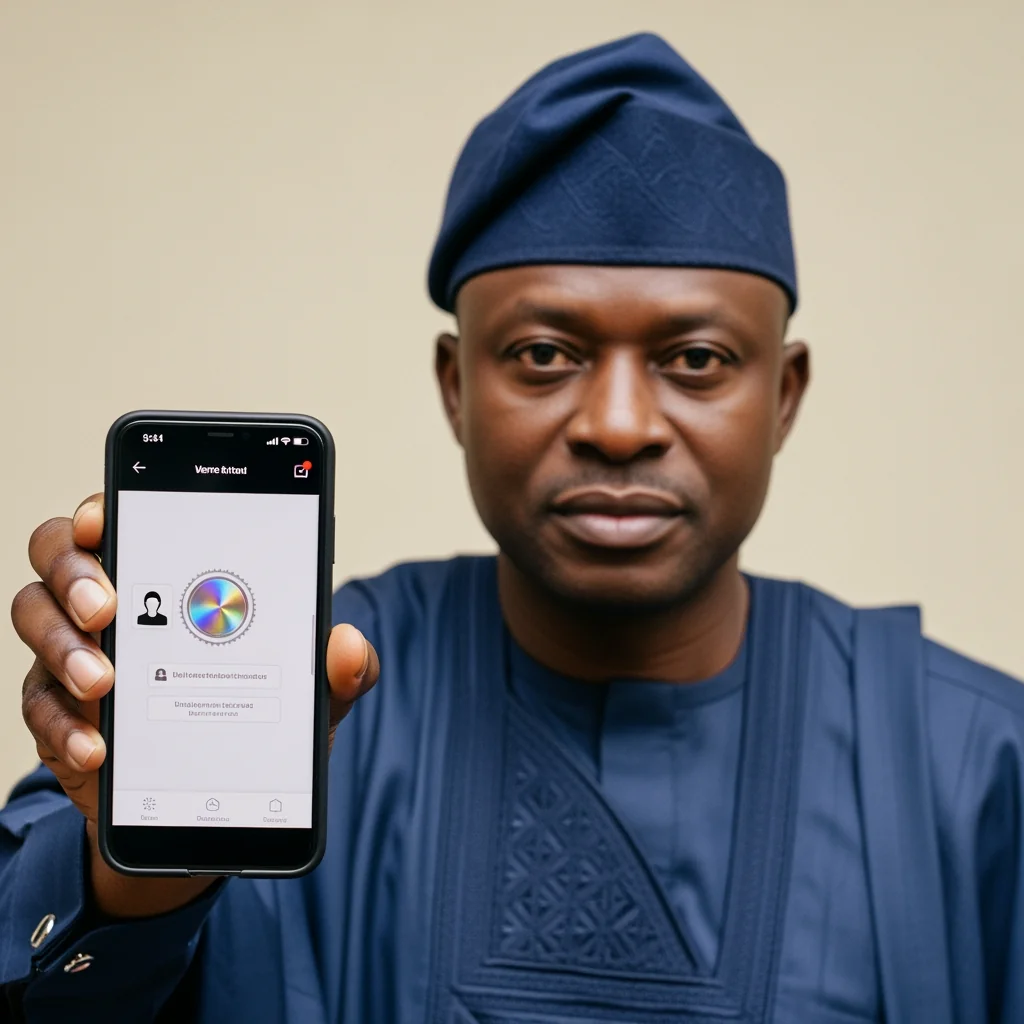
The Use of NIN to Trace Phone Calls and Messages
Anonymity in communication presents a challenge that the state has chosen to address to protect the lives of the population. The integration of digital identity with mobile communication tools marks a significant shift in the safety of the Nigerian society.
Many people now understand that a phone number represents more than a tool for conversation: it functions as a digital footprint linked to a verified citizen. The Use of NIN to Trace activities provides the security architecture with a precise map of human interaction within the digital space.
This system ensures that the shadow of criminal intent finds light, making the pursuit of justice a more predictable exercise for the authorities.
The Digital Architecture of Accountability
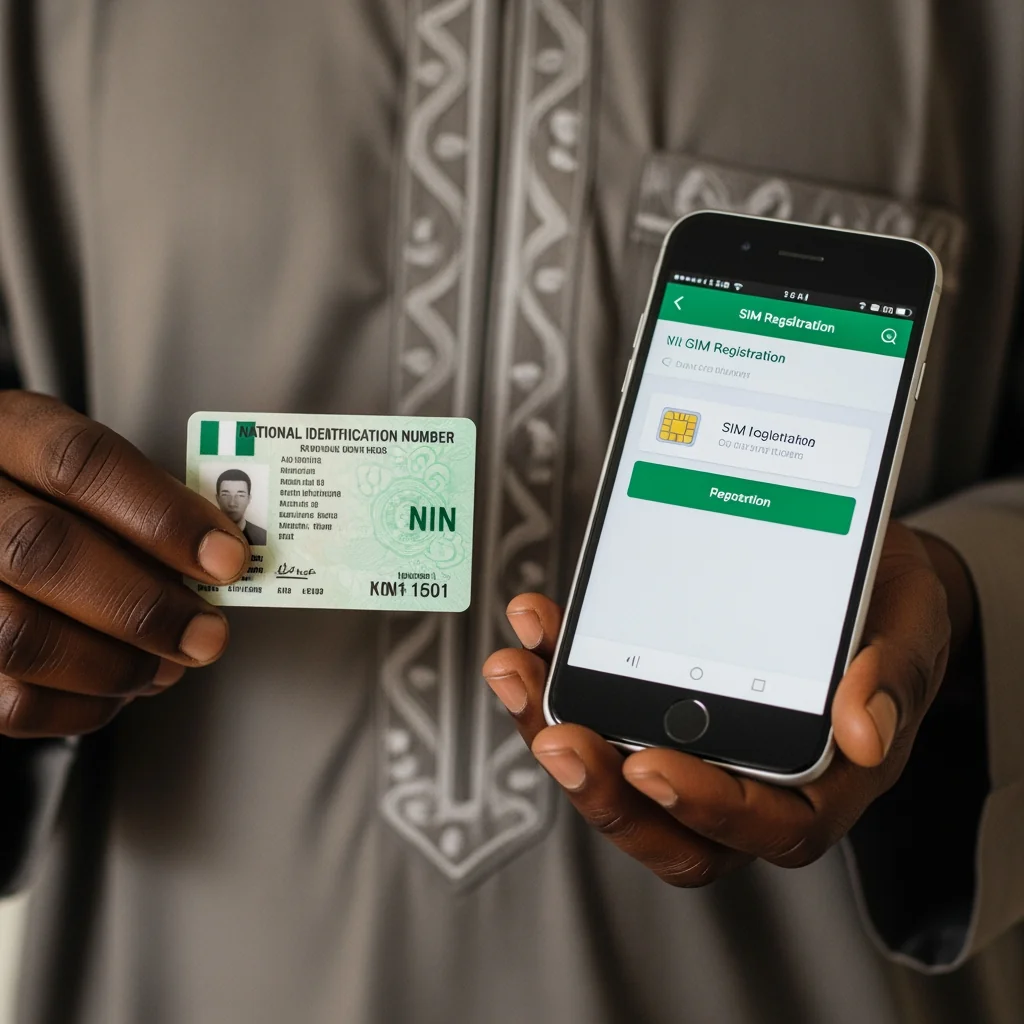
Establishing a link between the National Identification Number and a Subscriber Identity Module creates a permanent record in the ledger of the state. This connection operates as the digital bridge between the street and the office, ensuring that digital action has a traceable origin.
When a call originates from a device, the metadata carries the weight of a verified identity, removing the mask that many offenders previously wore. The Nigerian Communications Commission reports that over 190 million SIM cards have linked with National Identification Numbers, creating a massive database for national safety.
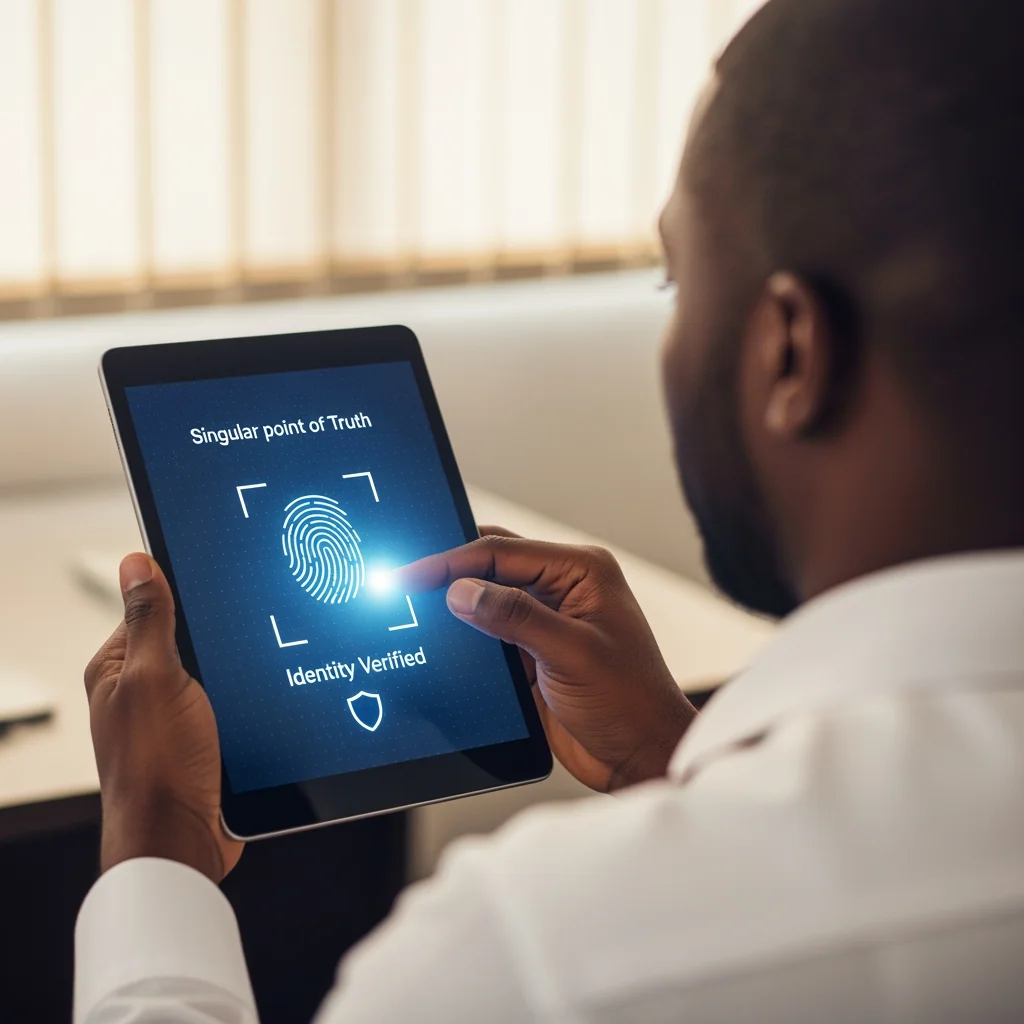
Security agencies now possess the capability to identify the owner of a specific line with remarkable speed. This progress enhances the traditional methods of investigation that previously required more time to reach conclusions.
Expecting a criminal to escape detection in this new environment is like expecting a heavy downpour to leave a dry patch in an open field. The Use of NIN to Trace communication patterns helps in neutralizing threats before they manifest into physical harm.
This systemic oversight builds confidence among the public, as the state demonstrates its capacity to maintain order within the digital space.
The Role of Data in National Security
Data serves as the lifeblood of modern governance, and the National Identity Management Commission holds the master key to this vault. By centralizing biometric information, the government creates a singular point of truth for each resident.
“Identity is the foundation of a digital economy and a key component of national security.” — Dr. Isa Ali Pantami
The ability to verify the person behind a text message or a voice call reduces the frequency of fraudulent activities.
Consider the way a messenger leans against a wall while waiting for a tip in a government secretariat: he knows the value of patience and documentation. Similarly, the system waits for the moment of interaction to confirm the identity of the user.
The dry wit of the system suggests that those who seek to bypass these protocols will find the walls of the law closing in with digital precision. The Use of NIN to Trace individuals involved in kidnapping or financial crimes has already yielded results in several high-profile cases across the country.
This expansion of digital oversight creates a safer environment for business and social activities.
Strengthening the Digital Bridge
Public safety improves when the distance between a crime and its resolution shrinks through technological intervention. The digital bridge connects the raw data of the mobile network to the organized files of the security operative.
This synergy allows for a more proactive stance against those who attempt to use technology for harm. The Use of NIN to Trace messages ensures that even the most discreet communication leaves a trail that leads back to a physical person.
This reality discourages the casual abuse of communication platforms that once presented challenges in the digital space. Many individuals find comfort in the knowledge that their interactions happen within a monitored and protected ecosystem.
The sound of rain hitting a rusted zinc roof can drown out a conversation, but the digital record of that call remains intact within the servers of the provider. This permanence is the greatest deterrent against the misuse of mobile lines for harassment or misinformation.
The Use of NIN to Trace origins of threats provides a shield for the vulnerable who once felt powerless against anonymous actors. The progress of the nation depends on this level of transparency and accountability.
Yielding a Secure Future
As the system matures, the integration of data will produce even greater yields in the efficiency of the law. The current activity in the telecommunications sector points toward a future where identity fraud becomes a relic of the past.
The Use of NIN to Trace transactions and calls represents a commitment to a society where actions have consequences. This shift in the digital culture of Nigeria promotes a sense of responsibility among all users of mobile technology.
The office of the administrator sees this as a necessary evolution for a country seeking to expand its influence in the global digital economy. Security is a collective effort, yet the tools provided by the state simplify the task for the individual.
The Use of NIN to Trace problematic actors ensures that the majority of citizens can enjoy the benefits of connectivity without fear. By maintaining a verified identity, each person contributes to the overall stability of the digital space.
The path forward involves constant refinement of these systems to ensure they serve the interests of justice and peace. The state will continue to utilize the Use of NIN to Trace communications to maintain the order that the people of Nigeria deserve.

Smart Infrastructure
Using Cameras to Watch Big Markets and Busy Roads
Oversight of trade hubs via visual tools offers a sturdy framework for administration. Using Cameras to Watch Markets enhances the security of the space.
Using Cameras to Watch Big Markets and Busy Roads
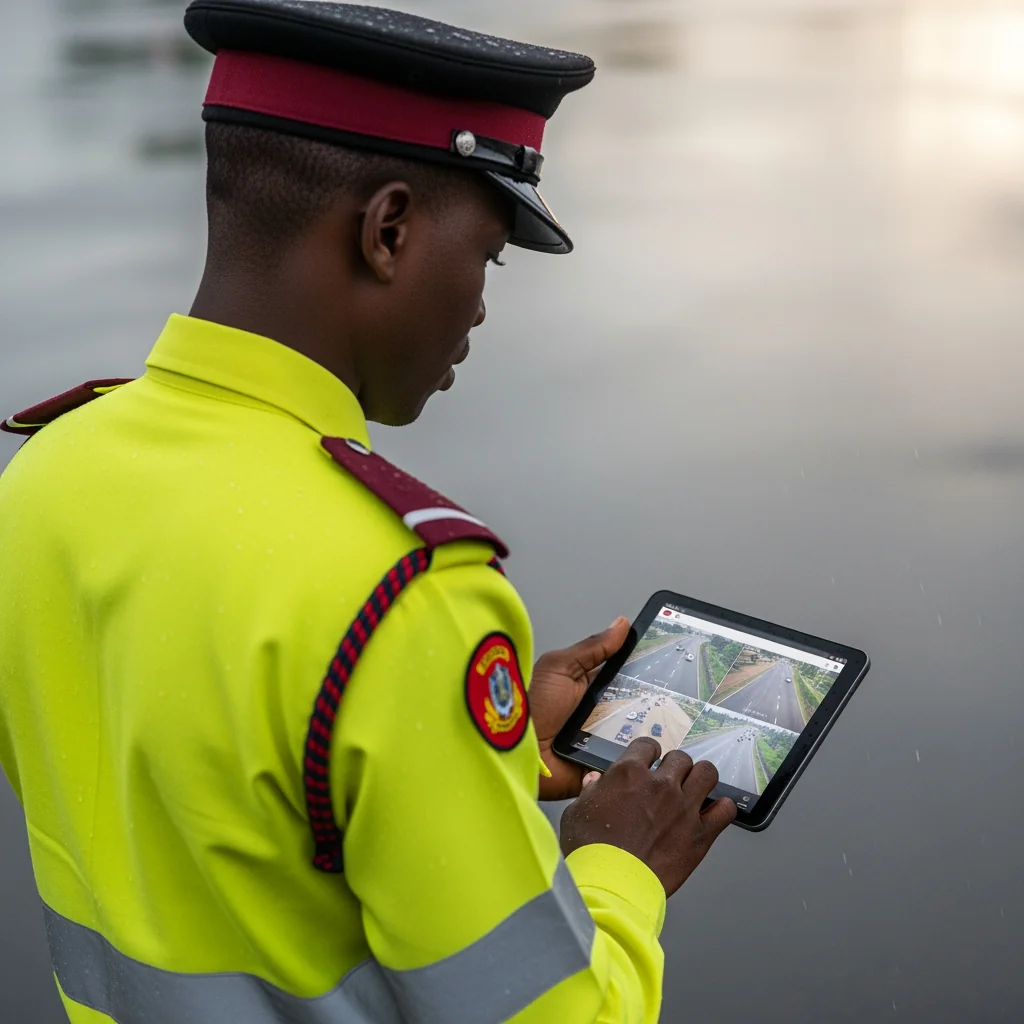
Commercial survival in a dense Nigerian trade hub depends on sight that exceeds the human eye. The frantic energy of a morning in Onitsha or the congested intersections of Lagos requires a technological presence that endures the tropical heat. Using Cameras to Watch Markets provides a layer of oversight that paper logs and manual tallies can enhance. This administrative tool transforms the chaotic movement of goods into a manageable flow of data.
The Secretariat often functions with the familiar presence of old paper and the heavy smell of damp archives in a basement registry. Administrators who have walked those halls understand the weight of the system and the requirement for modern tools. Monitoring the street from a distance allows for a calm analysis of the hustle. It creates a record that persists through the noise and the dust of the roadside.
Waiting for a human guard to catch a pickpocket in a crowded bazaar during the December rush is like waiting for a PHCN bill to arrive with a refund check. The probability is low. Using Cameras to Watch Markets offers a continuous gaze that discourages theft and encourages order. Each lens functions as a silent witness to the exchange of currency and the movement of inventory.
The Silent Supervisor of the Trading Floor
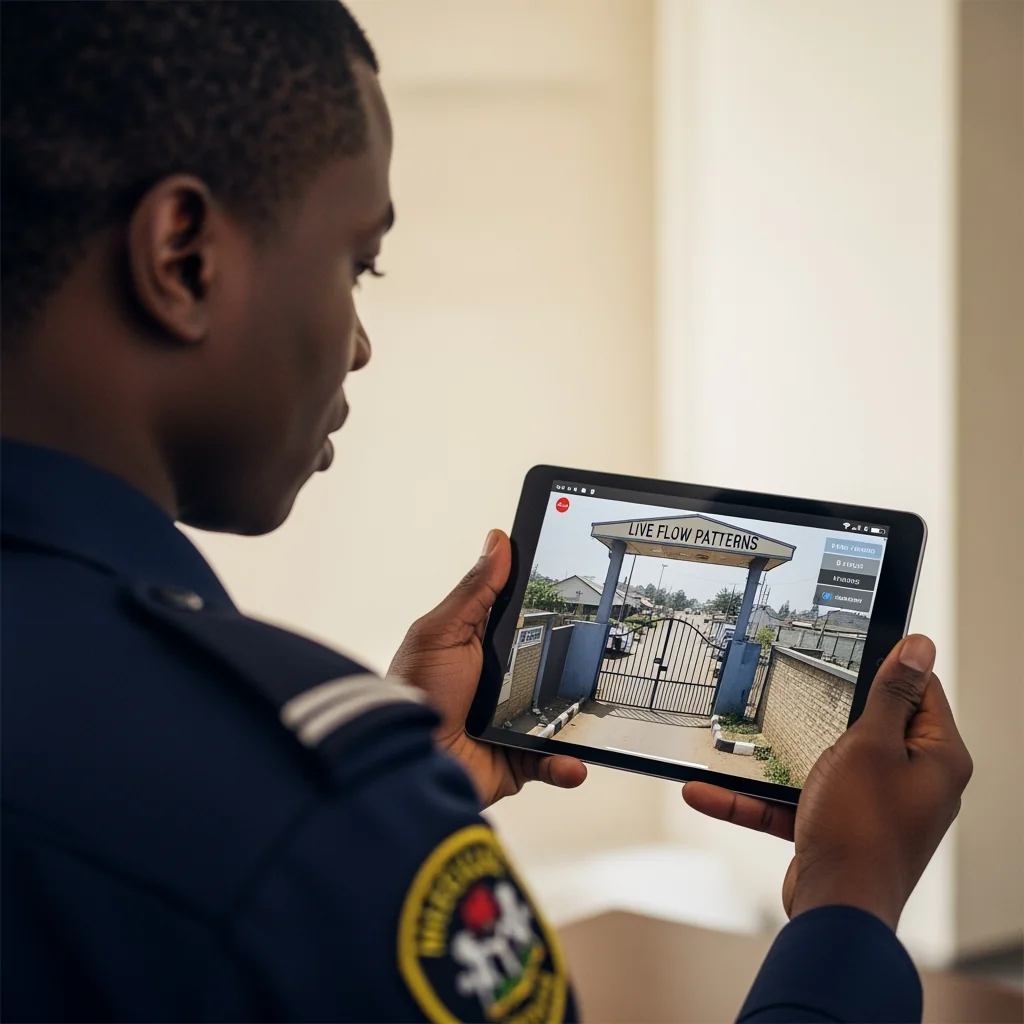
Managing a major trade center involves more than just collecting stall fees from the vendors. It involves the coordination of thousands of individuals who move with a specific purpose. Using Cameras to Watch Markets allows the management to identify bottlenecks before they lead to a complete standstill.
A single camera at the main gate provides more intelligence than a dozen messengers leaning against the wall waiting for a tip. The yield of a business depends on the security of the environment where transactions occur. When buyers feel secure, the volume of trade increases. Visual monitoring tools provide this sense of safety by ensuring every corner of the facility is visible to the authorities.
This connection functions as the digital bridge between the chaotic trading floor and the calm office of the administrator.
In the words of the former Governor of Lagos State, Babatunde Fashola during a discussion on urban security:
“Security is the first requirement for the expansion of any society and the protection of the people.”
The installation of these devices creates a record of activity that helps in dispute resolution. If a merchant claims a delivery was lost, the footage provides the truth of the situation. This methodology reduces the reliance on hearsay and the often-unreliable testimony of bystanders. The presence of the lens encourages honesty among the participants in the market.
Managing the Flow of the Asphalt
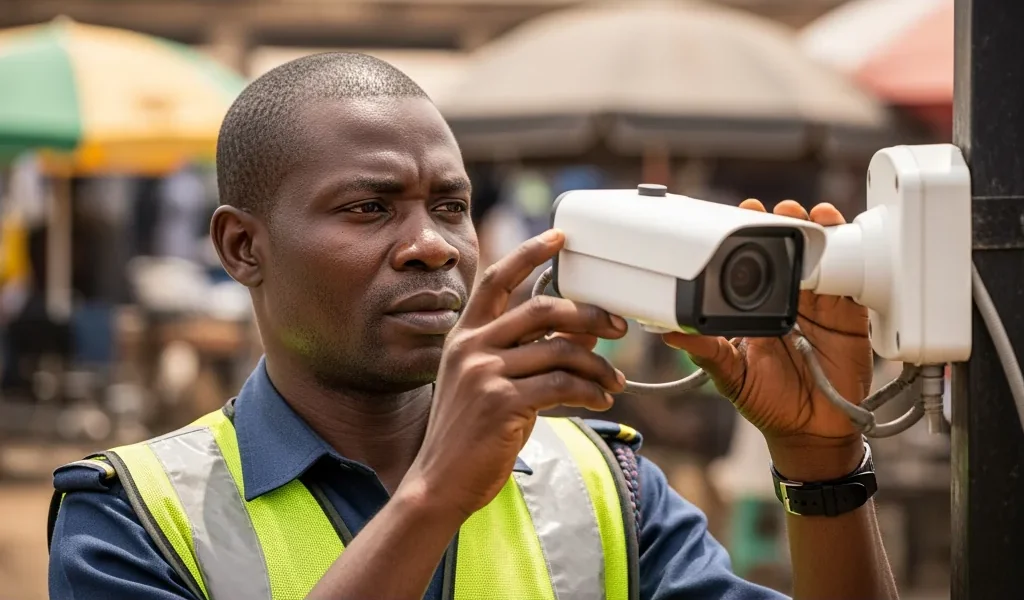
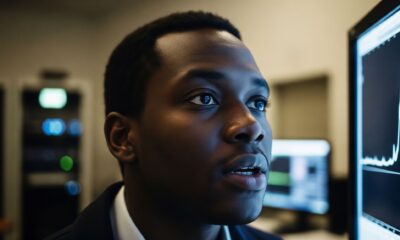
A security official monitors activity by using cameras to watch markets, bringing order to the busy commercial hubs of Nigeria.
The rhythm of a busy road is unpredictable and often challenging for those who lack information. Expecting a manual traffic report during a heavy downpour in Port Harcourt is like expecting a dry tap to suddenly produce cold water. Remote visual sensors provide real-time updates on the state of the tarmac.
They allow for the redirection of vehicles before the congestion becomes a permanent fixture of the afternoon. Traffic wardens in their yellow and maroon uniforms do their best under the scorching sun. However, the human frame has limitations that the machine can complement.
Using Cameras to Watch Markets and the adjacent roads ensures that the administrator sees the entire picture. It allows for the detection of broken-down trucks or illegal parking that hinders the progress of the whole city.
The data gathered from these lenses informs the long-term planning of the Secretariat. If a particular junction experiences a recurring blockage, the footage explains the cause. This information leads to better decisions regarding road repairs and the placement of new traffic signals. The system serves as the digital bridge that connects the physical reality of the street to the planning desk.
Statistics from the Lagos State Smart City Project indicate that the integration of over 2,000 cameras has led to a significant reduction in travel time across major corridors. This progress is a result of having eyes in the sky when the ground level is too congested to navigate. The ability to see the blockage allows the authorities to deploy resources to the exact point of the problem.
The Yield of Electronic Oversight
The expansion of a city requires a framework that supports a high density of people and vehicles. Using Cameras to Watch Markets ensures that the commercial core of the city remains a productive space. It prevents the encroachment of illegal structures that often choke the life out of a trading hub. The lens captures the gradual changes in the landscape that a human observer might miss.
The sound of rain hitting a rusted zinc roof is often so loud that it drowns out conversation. During such storms, human surveillance usually retreats to find shelter. The camera persists in its duty, capturing the state of the drainage and the rising water levels. This capability is essential for disaster management and the prevention of property loss.
Consider the observation of urban planners who state:
“The power of observation is the most potent tool in the hands of a dedicated administrator.”
Operational costs for managing a large market drop when technology handles the bulk of the monitoring. Instead of a large force of guards, a few specialists can oversee the entire facility from a central room. This shift allows for the reallocation of funds toward the maintenance of the infrastructure. The yield for the government is a more efficient use of the public budget.
Connecting the Street to the Secretariat
The final objective of Using Cameras to Watch Markets is the creation of a predictable environment. When the rules of the space are enforced through visible technology, the behavior of the population shifts toward order. Commercial activity thrives in a space where the consequences of disruption are certain. The camera is a silent reminder that the eyes of the system are always open.
Administrators who embrace these tools find that their workload becomes more analytical and less reactive. They no longer wait for a crisis to occur before they take action. They observe the trends and intervene at the appropriate moment. This proactive stance is the hallmark of a professional who understands the soul of the Secretariat.
Ultimately, the adoption of visual technology is a sign of a city that prepares for the upcoming years. It shows a willingness to move beyond the manual processes of the past. Using Cameras to Watch Markets is a fundamental part of the strategy to build a city that functions for the benefit of the whole population.

The Pensioner Who Slept at the Gate for a Year

How Digital Records Stop Money Leakage in Government Offices

Using Cameras to Watch Big Markets and Busy Roads

How Digital Maps Help Police Find Crime Spots

Protecting State Secrets from Internet Thieves

The Use of NIN to Trace Phone Calls and Messages

The Governor Listens with Digital Feedback for Peace

Broken Pipe Report Fixing Streets via Phone Photos

Town Hall in Your Palm Ending the Gatekeeper Era

The Paper Mountain and the Heavy Cost of Manual Filing

The Leaking Bucket where State Revenue Often Vanishes

The Speed of Light for Ending Administrative Delays Now

Internet Sovereignty: Why Some Countries Want Their Own Separate Internet

The Smallest Change That Will Affect All Digital Operations

How One Misplaced Dot Broke a Bank Login Page

The Untold Story Of The Nigerian Who Helped Build Global Internet Systems

Nigerian Hackers: The Global Fraud Story and Its Fallout

Forgotten Satellites Defy Silence, Beaming Signals for Decades

Do Not Allow Your Digital Store to Shut Down:

Implement Local SEO Fixes for Lagos: Beat Google Maps Competitors

Core Web Vitals Checklist: How to Achieve a Near-Perfect Score on Mobile Devices

Nigeria Enter One Chance? Insecurity and Sachet Economy in 2026

The “Village People” Aren’t Blocking Your Sales; Your Bad SEO Is.

The N5 Million Mistake: Why You Should Never Save Client Data in a Notebook
 Edutech Portal1 week ago
Internet Sovereignty: Why Some Countries Want Their Own Separate Internet
- Edutech Portal1 week ago
The Smallest Change That Will Affect All Digital Operations
- Digital Hustle1 week ago
How One Misplaced Dot Broke a Bank Login Page
- Edutech Portal1 week ago
The Untold Story Of The Nigerian Who Helped Build Global Internet Systems
- Edutech Portal1 week ago
Nigerian Hackers: The Global Fraud Story and Its Fallout
- Edutech Portal1 week ago
Forgotten Satellites Defy Silence, Beaming Signals for Decades
- Edutech Portal1 week ago
Do Not Allow Your Digital Store to Shut Down:
- Edutech Portal1 week ago
Implement Local SEO Fixes for Lagos: Beat Google Maps Competitors