Security & Crime
Infrastructure Vandalism in Nigeria: Cross River and the NSCDC
Infrastructure vandalism in Nigeria destroys economic potential. This analysis examines the Cross River incident, the NSCDC response, and the systemic failures that enable it.

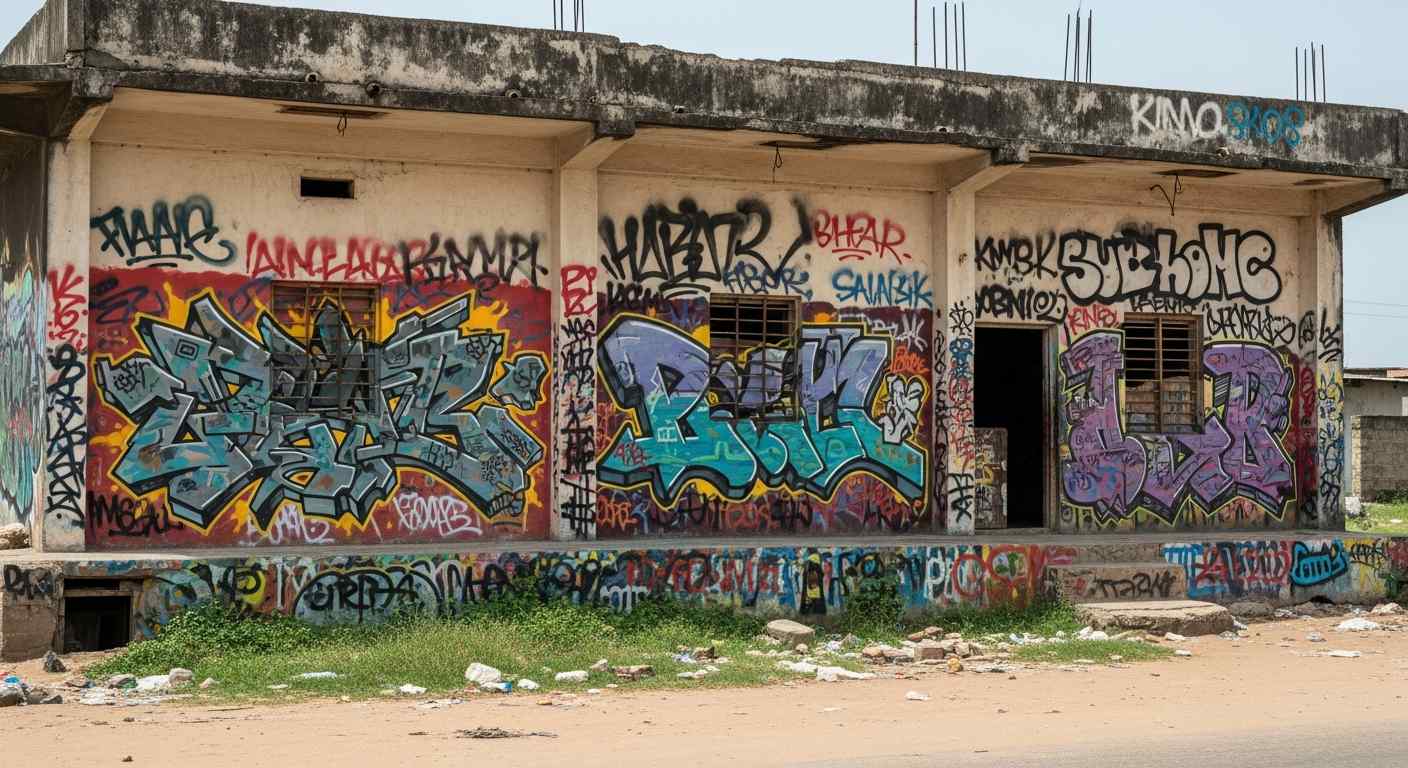
The Immediate Cost of Sabotage
Arrests by the Nigeria Security and Civil Defence Corps for infrastructure vandalism in Nigeria represent a reactive victory in a continuous war of attrition.
The Cross River State Command confirmed the arrest of five suspects for the vandalism of armoured cables. According to reports from May 2024, the suspects were apprehended for vandalizing armored cables from street lights at the Federal Housing Authority Estate in Calabar.
This incident occurred along the Calabar-Ikom highway, a critical artery for the economy of the state.
Commandant Samuel Fadeyi has previously led operations against such syndicates, including the arrest of eight suspects across Calabar, Ikom, and Ogoja in October 2022, with three specifically for transformer cable vandalism.
Their operations targeted infrastructure belonging to the Cross River State Government and federal housing assets.
This single event illustrates a national pattern of targeted asset stripping.
The sound of a generator hums as the NEPA takes light, a frequent reminder of the fragility of the grid these vandals help to weaken.
Understanding the NSCDC Mandate
The Nigeria Security and Civil Defence Corps holds the primary statutory responsibility for protecting critical national assets and infrastructure.
This mandate originates from the NSCDC (Amendment) Act of 2007, which empowered the Corps to maintain an armed squad and prosecute offenders.
The Corps maintains a specific Directorate of Critical National Assets and Infrastructure.
Its duties extend to oil pipelines, telecommunications equipment, and electrical installations.
Commandant General Ahmed Audi frequently emphasizes this protective role in public statements.
In a 2023 address, he stated the Corps remains committed to safeguarding all government investments.
The reality on the ground requires constant vigilance against sophisticated criminal networks.
Files concerning past vandalism cases stack on office floors because shelf space ran out years ago.
The Economic Calculus of Vandalism
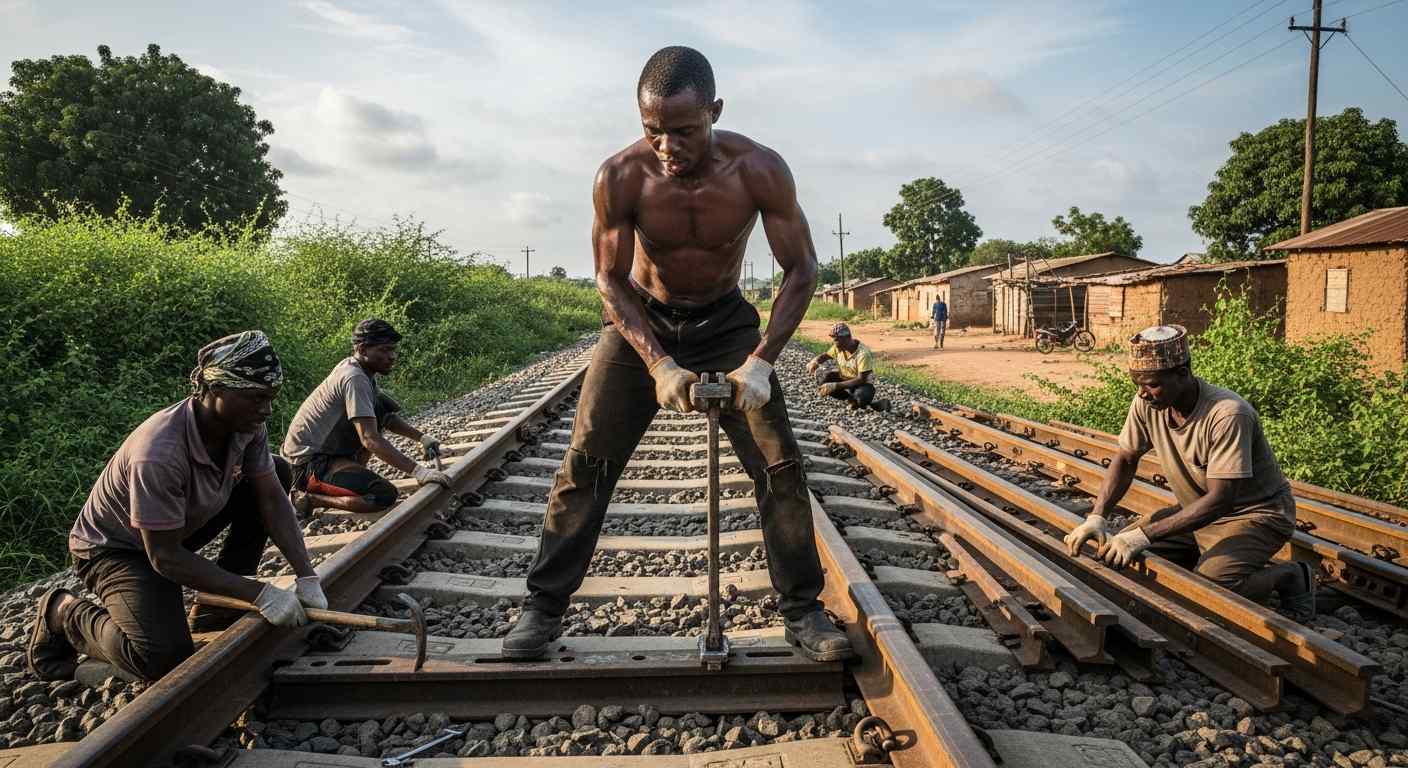
Supporting image for infrastructure vandalism in Nigeria article
Vandalism represents a direct drain on the treasury of Nigeria.
The Nigerian Communications Commission reports that telecom operators lost approximately N27 billion in 2023 alone due to fiber optic cable cuts and tower vandalism. Between January and August 2025 alone, the NCC recorded 19,384 fiber cuts.
The industry faced over 50,000 fiber cuts in 2024, with road construction causing roughly 30,000 of these incidents.
These figures exclude the downstream economic paralysis from service disruptions.
Businesses lose productivity during prolonged power outages caused by cable theft.
Communities face water shortages from damaged pumping infrastructure.
The cost of replacement always exceeds the scrap value obtained by the vandals.
This creates a net negative economic event for the nation with each incident.
The Cross River Incident in Detail
The Cross River arrest followed actionable intelligence received by the NSCDC Command.
Operatives from the Anti-Vandal Squad tracked and intercepted a vehicle loaded with the stolen cables.
The suspects attempted to flee before their capture.
Recovered items included rolls of armoured cables, cutting tools, and the vehicle used for transportation.
Previous operations under Commandant Fadeyi’s leadership include foiling a significant pipeline vandalism attempt involving a 100-meter tunnel in Calabar in August 2022.
He has consistently emphasized the Command’s proactive intelligence-driven operations.
He assured the public of diligent prosecution to serve as a deterrent.
Infrastructure vandalism in Nigeria often follows this pattern of nocturnal operations and rapid transport to black markets.
The messenger leans against the wall outside the prosecutor’s office, waiting for the next case file to carry to the court.
National Patterns and Regional Hotspots
Vandalism incidents concentrate in regions with extensive infrastructure but limited surveillance.
The Niger Delta region remains a primary hotspot for pipeline vandalism and oil theft.
The South-East and South-South zones report high incidence of electrical cable theft.
Railway infrastructure, especially the new standard gauge lines, faces persistent threat.
The Lagos-Ibadan railway corridor has recorded multiple incidents of vandalism.
The Abuja-Kaduna line also suffers from component theft.
Data from the NSCDC National Headquarters shows fluctuating but persistent arrest numbers across all geopolitical zones. Over the five years leading to 2026, the Corps arrested 2,677 suspects for various offenses including vandalism and illegal mining. In 2023 alone, the NSCDC reported arresting 571 suspected vandals nationwide, with 121 convictions secured.
This indicates a nationwide challenge without a simple geographic solution.
The Legal and Judicial Framework
The Miscellaneous Offences Act prescribes severe penalties for vandalism of public property.
Conviction may result in a sentence of life imprisonment.
The Electric Power Sector Reform Act also contains specific provisions against vandalism of power infrastructure.
Despite these stringent laws, conviction rates remain a subject of concern for security agencies.
Case files often experience delays within the justice system.
Prosecutors face challenges with evidence preservation and witness testimony.
The judiciary requires dedicated attention to expedite trials for economic sabotage cases.
This legal bottleneck diminishes the deterrent effect of arrests.
The Role of Scrap Metal Markets
An active informal market for scrap metal provides the economic incentive for vandalism.
Vandals sell stolen copper, aluminum, and steel to unscrupulous dealers.
These materials often undergo minimal processing before re-entering the legitimate supply chain.
The National Association of Scrap and Waste Dealers of Nigeria has called for stricter regulation of the sector.
Some state governments have attempted to register and monitor scrap metal businesses.
Enforcement of these regulations requires consistent effort across multiple agencies.
The lack of a centralized digital registry for scrap metal transactions complicates tracking.
This allows stolen public assets to disappear into the informal economy.
Community Complicity and Surveillance Gaps
Effective infrastructure protection requires community cooperation.
In many instances, vandals operate with local knowledge and sometimes local assistance.
Community members may hesitate to report suspicious activities due to fear of reprisal.
The NSCDC has initiated community partnership programs to build trust and gather intelligence.
These programs have yielded positive results in some localities.
Technological surveillance gaps persist across vast infrastructure networks.
Remote pipelines and power transmission lines lack continuous electronic monitoring.
Budgetary constraints limit the deployment of advanced sensor technology and drone patrols.
This creates windows of opportunity for determined criminal elements.
The Impact on Service Delivery and Public Trust
Repeated vandalism erodes public confidence in the ability of the state to provide basic services.
Citizens experience unreliable electricity, water, and communication services.
This fragility discourages private investment and stifles economic growth.
The World Bank’s Ease of Doing Business report consistently cites infrastructure deficit as a major constraint in Nigeria.
Vandalism directly contributes to this deficit.
It forces utility companies and government agencies into a cycle of repair rather than expansion.
Capital earmarked for new projects diverts to replace vandalized assets.
The public perceives this as governmental failure, further weakening the social contract.
Comparative Analysis: The NSCDC Response Trajectory
Annual reports from the NSCDC show a marked increase in vandalism-related arrests over the past five years.
In 2021, the Corps reported arresting over 1,500 suspects for various infrastructure crimes.
This number increased in subsequent years, reflecting either heightened criminal activity or improved enforcement.
The Corps has established more dedicated Anti-Vandal Units at state commands.
It has also conducted joint operations with the Nigerian Police Force and the Army.
Training programs focus on forensic evidence collection and intelligence gathering.
Despite these efforts, the frequency of incidents suggests the problem requires more than a security solution.
It demands a systemic approach addressing the root economic and social drivers.
Policy Recommendations and Strategic Shifts
A comprehensive national strategy against infrastructure vandalism in Nigeria requires multi-agency coordination.
The Ministry of Interior, the NSCDC, the National Orientation Agency, and the Ministry of Justice must align efforts.
Legislative review may strengthen the laws regarding the receipt of stolen public property.
Mandatory digital record-keeping for all scrap metal transactions presents one viable policy option.
Public awareness campaigns should highlight the collective cost of vandalism on community development.
Whistleblower protection schemes for individuals reporting vandalism require strengthening.
Technological hardening of infrastructure, such as smart markings on cables, can aid forensic tracing.
Investment in these areas may yield long-term savings by reducing replacement costs.
The Path Forward: Deterrence and Development
The arrest in Cross River State represents a necessary enforcement action.
Sustainable progress, however, depends on addressing the underlying conditions.
Youth unemployment and poverty create a pool of individuals vulnerable to recruitment by vandalism syndicates.
Alternative livelihood programs in high-vandalism regions may reduce the economic appeal of crime.
Strengthening local governance and community ownership of infrastructure projects fosters protective attitudes.
Transparency in infrastructure spending builds public trust and reduces resentment.
When citizens perceive projects as legitimate and beneficial, they become stakeholders in their protection.
This cultural shift, combined with effective policing, forms the durable solution.
One Small Fix for a Large Problem
A single procedural adjustment within the justice system holds significant potential.
Establishing designated special courts or fast-track desks for infrastructure vandalism in Nigeria cases would accelerate trials.
This measure requires minimal new legislation but maximum judicial will.
It would demonstrate state seriousness, ensure swift justice, and amplify the deterrent effect of arrests like those in Cross River.
The digital bridge between arrest, prosecution, and conviction requires fortification.
Security & Crime
Insecurity in Kwara in Nigeria: The 2026 Data
Insecurity in Kwara in Nigeria accounted for over 200 deaths in 2026. This analysis uses official data to examine the patterns and governance failures behind the statistics.
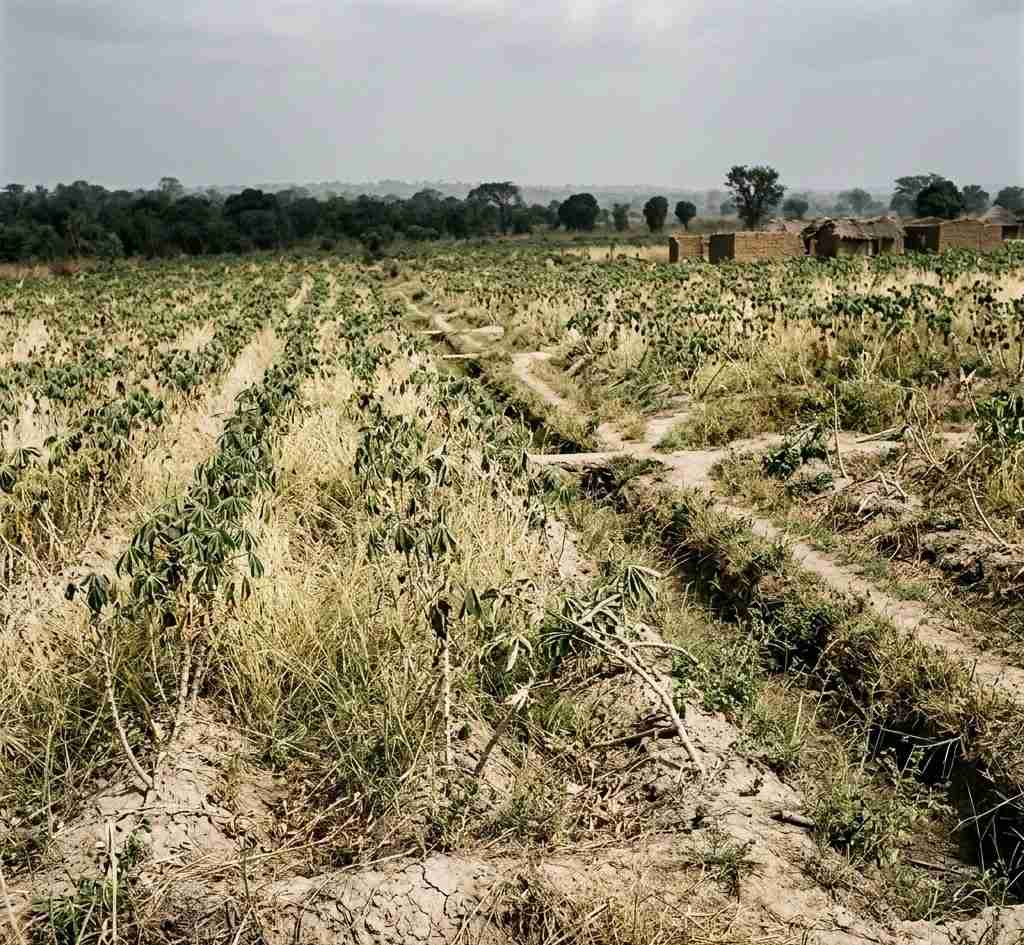
The Official Toll for Kwara State in 2026
Official data from the National Bureau of Statistics and the Nigeria Security Tracker project recorded over 200 violent deaths in Kwara State during a single week in early February 2026. This followed a 2025 where the state had already recorded 235 deaths according to ACLED data, indicating a severe escalation of violence in the new year.
The violence concentrated in the Kwara North senatorial district, specifically in the Kaiama Local Government Area.
Local government areas like Baruten and Kaiama experienced the most significant incidents.
The primary event occurred on February 3–4, 2026, in the villages of Woro and Nuku, where coordinated attacks resulted in between 162 and over 200 deaths. The massacre was reportedly triggered by villagers rejecting the militants’ demand to adopt their version of Sharia law and refusing them passage.
“The patterns of violence in the North Central region require a distinct analytical framework separate from the insurgency in the North East.” – Dr. Kabiru Adamu, Security Analyst, Beacon Consulting, Interview with Premium Times.
Communal clashes and banditry accounted for the majority of fatalities.
Kidnapping for ransom emerged as a persistent secondary threat along major transit corridors.
Mapping the Violence Across Kwara State
Geographic Concentration of Attacks
The insecurity in Kwara in Nigeria displayed a clear geographic footprint.
Incidents clustered in agrarian communities bordering Niger State and Benin Republic.
This border porosity facilitated the movement of armed groups.
A report from the International Organization for Migration cited fluid cross-border movements as a complicating factor for security agencies.
Farmers and herders constituted the primary victims in these border areas.
The Urban-Rural Security Divide
Ilorin, the state capital, remained relatively insulated from the worst violence.
This created a perception gap between the urban political class and the rural populace.
Residents in affected villages reported a sense of abandonment.
Files detailing security requests from district heads stacked on floors in the state security advisor’s office because shelf space ran out years ago.
“Our people are being killed on their farms, and the response from the capital lacks the urgency this crisis demands.” – Alhaji Salihu Umar, District Head of Kaiama, following the February 2026 attack on his palace, Statement to Daily Trust.
The queue of community leaders stretching outside the gate of the Government House before 7am became a weekly ritual.
Governance and Institutional Response Gaps
Limitations of State Security Architecture
The Kwara State government operated with limited constitutional authority over federal security agencies. Following the February 2026 attacks, President Bola Tinubu ordered the immediate deployment of an army battalion to Kwara State.
Coordination between the Nigeria Police Force and the state-sponsored Community Guard Corps faced persistent challenges.
A 2026 assessment by the World Bank on sub-national security noted this structural weakness across multiple states. The state government had officially reopened schools on February 2, 2026, just one day before the major massacre occurred.
Logistical constraints, including vehicle shortages and communication gaps, hampered patrols.
Officers sometimes approved operational requests in the canteen because the office AC failed for the third time that week.
The Data and Reporting Disconnect
Official figures from the NBS often conflicted with local media tallies and community counts.
This discrepancy undermined public trust in the government’s narrative.
Premium Times and The Nation published investigative reports highlighting underreporting.
The absence of a real-time, state-owned incident reporting system created an information vacuum.
Rumors and misinformation filled this vacuum, exacerbating communal tensions.
Economic and Social Consequences of the Violence
Impact on Agriculture and Livelihoods
Kwara State possesses significant agricultural potential, now under threat.
The Food and Agriculture Organization of the United Nations flagged rising food insecurity in the state’s northern belt.
Farmers abandoned fertile lands due to fear of attacks.
This led to a reduction in the cultivation of cash crops like cashew and maize.
Local markets in affected areas experienced a sharp decline in activity.
Displacement and Humanitarian Strain
Internal displacement became a visible consequence of the insecurity in Kwara in Nigeria.
Families moved from villages to larger towns or the state capital.
The National Commission for Refugees reported a gradual increase in internally displaced persons from Kwara in its 2026 data.
Host communities faced new pressures on their resources and social services.
Schools in some border communities closed for extended periods.
“We are witnessing the erosion of social cohesion in communities that coexisted for generations. The economic damage will outlast the immediate violence.” – Professor Aisha Bello, Department of Sociology, University of Ilorin, February 2026, Paper presented at the Nigerian Economic Summit.
Comparative Analysis with Neighboring States
The violence in Kwara formed part of a wider crisis in the North Central zone.
States like Niger and Plateau recorded higher absolute death tolls.
However, the rate of increase in Kwara drew particular attention from analysts.
Data from the Nigeria Security Tracker showed Kwara’s year-on-year fatality increase exceeded the regional average.
This suggested a specific vulnerability or a delayed onset of patterns seen elsewhere.
The state’s previous reputation for relative peace made the 2026 statistics more jarring.
Media analysis in BusinessDay and Leadership newspapers questioned why existing early warning systems failed.
Pathways for Mitigation and Stabilization
Immediate Security and Humanitarian Measures
Enhanced, intelligence-driven patrols along identified flashpoints require immediate deployment.
Strengthening the capacity of the state’s Community Guard Corps with clear rules of engagement presents one option.
A dedicated emergency fund for victims of violence and displaced families requires establishment.
Collaboration with the National Emergency Management Agency would streamline humanitarian aid delivery.
Long-Term Structural Interventions
Investment in rural infrastructure, especially roads and communication networks, would improve security response times.
Programs for youth employment and engagement in high-risk areas need design and funding.
Formalizing and regulating pastoralist routes through legislation could reduce farmer-herder conflicts.
Support from the African Development Bank for community-based conflict resolution initiatives may yield results.
A single, verifiable state-level dashboard for security incidents would improve transparency.
The Imperative for Data-Driven Governance
The over 200 deaths in a single week in February 2026 represent more than a statistic. They represent a concentrated massacre in Woro and Nuku that stands as one of the deadliest attacks in the state’s recent history.
Each number signifies a systemic failure in protection, forecasting, and response.
Governance requires moving beyond reactive press statements after each attack.
A permanent solution to insecurity in Kwara in Nigeria demands a strategic, evidence-based framework.
This framework must integrate local knowledge with state resources and federal support.
The alternative is the normalization of a violence that stifles development and destroys lives.
One small fix involves mandating that all security sector meetings in the state use a standardized incident map derived from combined police, community, and media reports.
This creates a shared operational picture, a fundamental first step often missing in the response to complex crises like the one documented here. The analysis of this crisis demonstrates the need for a digital bridge between raw data and actionable policy.
Security & Crime
How the Niger Coup Affected Nigeria’s Security Architecture: Border Closures and Military Realignments
The 2023 coup in Niger fractured security cooperation with Nigeria, leading to border closures, disrupted intelligence sharing, and economic hardship, reshaping regional stability.

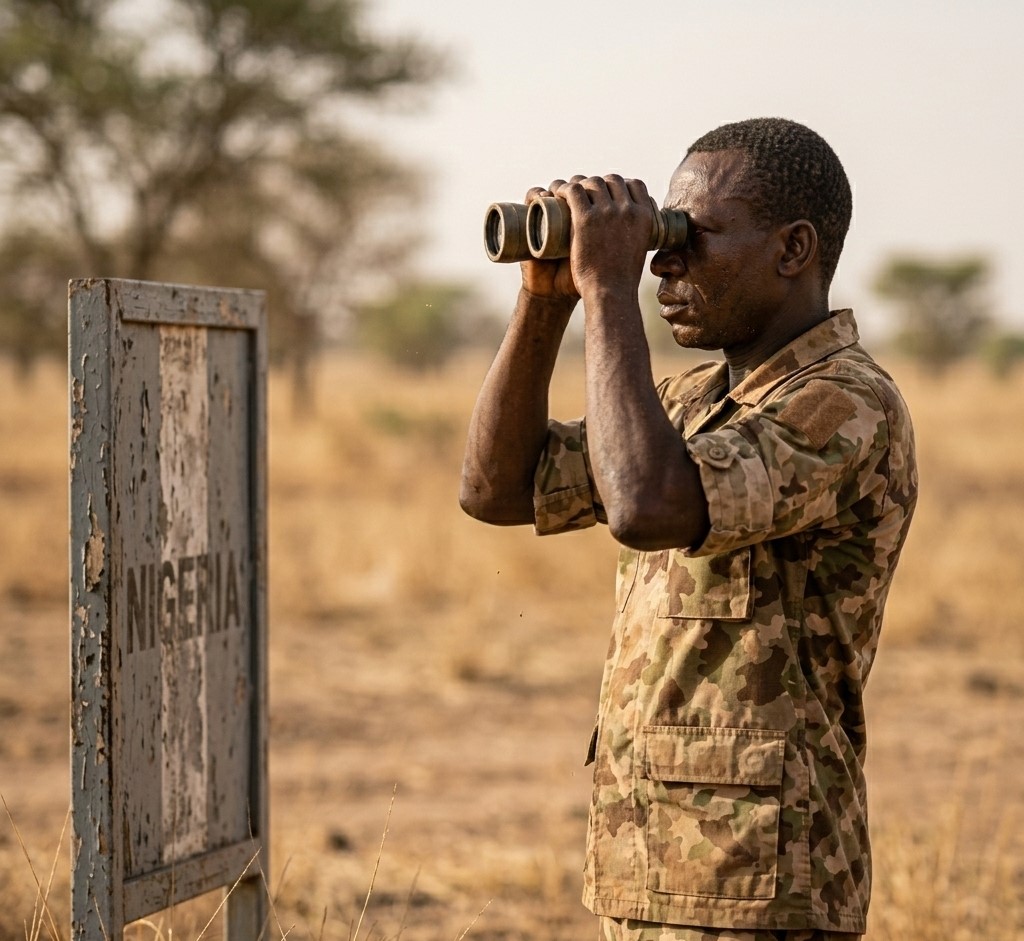
Security Realities on the Nigeria-Niger Border Following the 2023 Coup
The security landscape of West Africa shifted significantly following the events in Niamey in mid-2023. What was once a managed frontier became a complex diplomatic and security challenge. Intelligence sharing slowed, and the joint patrols that once defined the border’s security framework faced unprecedented hurdles.
Premium Times and global outlets reported on July 26, 2023, that General Abdourahamane Tchiani moved to depose President Mohamed Bazoum. In the aftermath, the Economic Community of West African States (ECOWAS), led by Nigeria, imposed strict sanctions. This led to a suspension of standard military cooperation, impacting a framework that had been built over decades.
Update: While ECOWAS lifted these sanctions in February 2024, the political frost between the AES states (Niger, Mali, Burkina Faso) and ECOWAS has prevented a full return to pre-coup trade and security cooperation levels, leaving the border region in a persistent state of managed tension.
According to a 2023 report by the International Crisis Group, Nigeria and Niger share a border of approximately 1,500 kilometres. While official diplomatic channels saw a period of deep silence, the reality on the ground remained fluid as local communities continued to navigate the historic ties that bind the two nations.
The Impact on Intelligence and Coordination
Reports from The Guardian Nigeria and other defense analysts in late 2023 indicated a significant disruption in surveillance data sharing. Previously, Nigerien forces provided critical monitoring of movements from the broader Sahel region, which acted as an early warning system for Nigeria’s northern states.
Military analysts noted that the Agadez region in Niger has long been a transit point for migration and potential insurgent movement. The withdrawal of coordinated intelligence cells meant that the human networks established to track these threats faced a period of fragmentation.
The Multinational Joint Task Force (MNJTF), which coordinates actions between Nigeria, Niger, Chad, and Cameroon according to its official mandate from the Lake Chad Basin Commission, saw its operational harmony tested. Update: This culminated in Niger’s formal withdrawal from the MNJTF in 2025, forcing Nigeria to significantly increase its defense budget for unilateral border patrols and explaining the heightened military presence along the northern frontier in 2026.
Border Realities and Community Economics
Vanguard News and Daily Trust documented the immediate economic hardship following the border closure in August 2023. Major trading hubs like Illela in Sokoto and Maigatari in Jigawa saw a sharp decline in activity. For generations, these markets served as the heartbeat of the regional economy.
The closure didn’t just stop trucks; it affected small-scale traders. Reuters highlighted how families with members on both sides of the line were separated, affecting social ceremonies and traditional rites. By September 2023, the International Organization for Migration (IOM) recorded thousands of individuals moving back across the border as economic opportunities dried up.
Shifting Security Threats
Security analysts have observed how non-state armed groups attempt to exploit gaps in state cooperation. Without synchronized “hot pursuit” agreements, insurgent groups can use the border as a tactical shield, moving across the line to evade engagement from either side.
Data from the Armed Conflict Location & Event Data Project (ACLED) showed a rise in banditry and insurgent activity in the Sahel during this period of political instability. The HumAngle media group reported that Nigerian troops often had to exercise extreme caution near the frontier to avoid diplomatic incidents with the new authorities in Niger.
A military source noted that the lack of coordination allows criminal elements to rest and refit in areas where state presence is thin. Re-establishing these security protocols remains a priority for regional stability.
Diplomatic Shifts and ECOWAS Sanctions
Following an emergency summit on July 30, 2023, ECOWAS imposed a series of measures, including the freezing of assets and the closure of land and air borders. Bloomberg reported that these measures significantly impacted Niger’s energy sector, as a large portion of its electricity was historically supplied by Nigeria, citing data from the West African Power Pool.
Update: Cross-border power transmission resumed in 2024, but the experience exposed the fragility of critical infrastructure dependent on political goodwill.
By 2024 and 2025, the geopolitical alignment of the region changed. Niger, along with Mali and Burkina Faso, formed the Alliance of Sahel States (AES) and announced their intention to withdraw from ECOWAS, a process that remains ongoing. This prompted a pivot toward new international partners, altering the traditional defense partnerships that Nigeria had relied upon for decades.
Current Situation and Outlook for 2026
As of early 2026, the border situation continues to demand significant resources from the Nigerian government. Defense budgets have been adjusted to maintain a more permanent presence along the northern frontier to compensate for the reduction in collaborative patrolling following Niger’s 2025 withdrawal from the MNJTF. While some humanitarian corridors have been established, the full restoration of pre-2023 trade volumes has yet to occur.
BusinessDay reports that the cumulative loss in cross-border trade is substantial, impacting the livelihoods of millions in the northern belts of Nigeria and the southern regions of Niger. However, informal trade continues, driven by the necessity of survival in these border communities.
The Role of Local Communities
Local vigilante groups and traditional leaders have stepped up to provide a level of grassroots security. In many villages, informal “early warning” systems have been created where residents use local knowledge to track suspicious movements and alert their neighbors.
Policy experts at Chatham House suggest that empowering these civilian observation networks could be a low-cost method to improve border security. These networks bypass high-level diplomatic freezes because they rely on the existing social fabric of the border regions.
The formal “digital bridge” of state-to-state data sharing may be under repair, but the human connections between Nigeria and Niger remain the most resilient part of the regional architecture. Strengthening these community ties is vital for long-term peace.
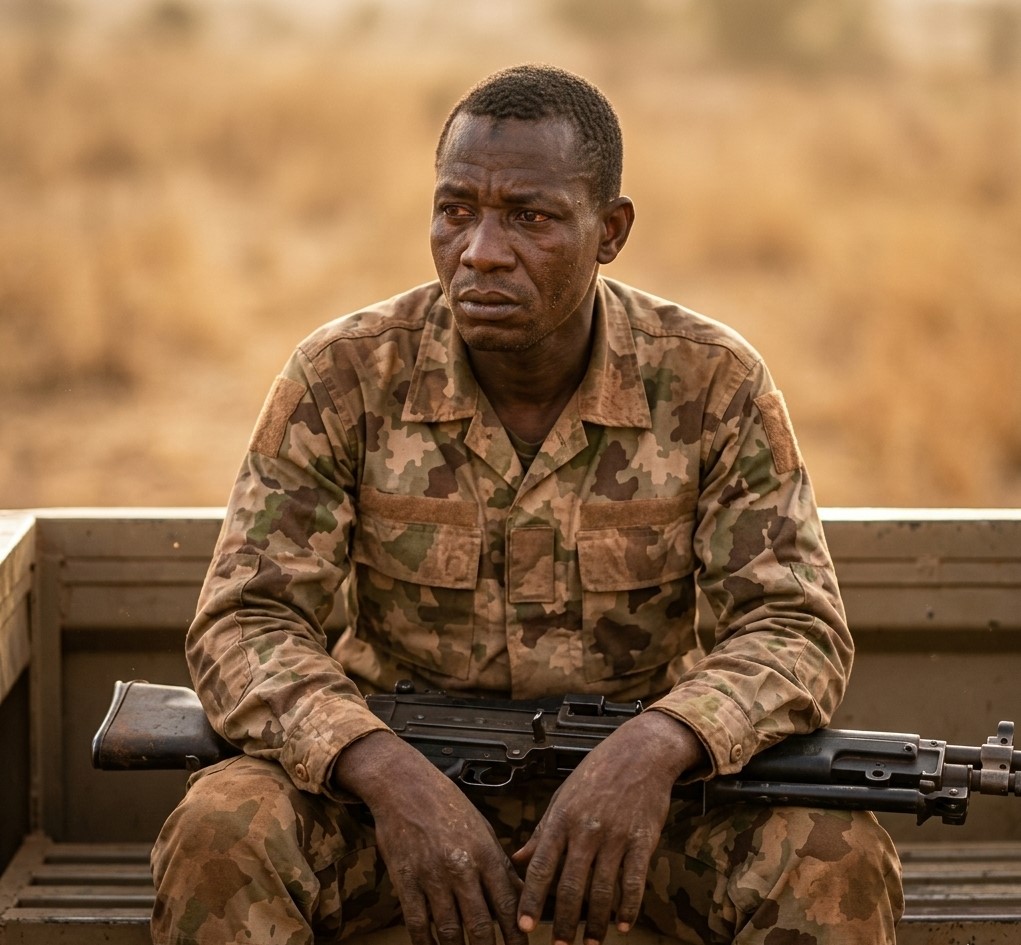
Security and Military Operations in Zamfara State
The road from Gusau to Dansadau runs through 80 kilometres of tension. Every tree line could hide observation. Every village could hold informants. Every convoy moves with eyes scanning the scrubland where bandits have held sway for years. The military offensive in Zamfara has shifted from sweeping operations to targeted strikes, but the bandits have also changed their methods.
According to reports from March 2026, military operations in Zamfara have entered a phase focused on dismantling bandit logistics rather than chasing groups through the forest. This shift follows intelligence indicating that bandits now frequently avoid direct confrontation with troops and instead rely on ambush tactics and rapid dispersal.
The Current Military Posture
The Nation reported in February 2026 that Operation Fansan Yamma coordinates military activities in Zamfara and neighbouring states. The operation combines ground troops, air assets, and intelligence units working from forward operating bases. Current operations prioritize operational security, often withholding public announcements until after strikes occur to maintain the element of surprise.
Vanguard News documented a major operation in Maru local government area on February 23, 2026. According to sources, military aircraft conducted precision strikes on identified bandit camps while ground troops moved to block escape routes. The operation led to the recovery of several motorcycles and a cache of weapons. Military sources confirmed that intelligence for the strikes often involves collaboration with local informants.
BusinessDay analysed the economic weight of these operations. Reports from March 2026 state that the Zamfara State government continues to allocate a significant portion of its security funding to logistics support for military operations, covering fuel, food, vehicle maintenance, and accommodation for troops. This is independent of the federal funding dedicated to the Defense budget.
Bandit Tactics in 2026
Daily Trust published reports in early March 2026 detailing how bandits have adapted to military pressure. Findings show that many bandit groups now operate in smaller units of 10 to 15 fighters instead of the large, permanent camps seen in previous years. These smaller units move constantly, attempting to reduce their visibility to aerial surveillance.
ThisDay Live reported that kidnapping for ransom persists as a primary revenue source for these groups. Analysis suggests that high sums in ransom payments were demanded across Zamfara, Katsina, and Kaduna states during the first two months of 2026. Negotiations for the release of victims often remain complex and prolonged.
The Guardian Nigeria confirmed through military sources that some bandit groups have attempted to use commercial drones for surveillance of military positions. These drones allow them to track troop movements in real time. In response, military counter drone units have been deployed to high priority locations to neutralize these threats.
Channels Television aired footage in late February showing the destruction of bandit logistics bases in the Kuyanbana Forest area. The footage showed motorcycles and fuel dumps destroyed by air strikes. Military spokespersons emphasized that disrupting fuel and food supplies is a priority to limit bandit mobility.
Civilian Life Under the Operations
Arise News interviewed residents of Bagega town in Zamfara for a March 2026 documentary. A community leader described the daily reality: “Farming is now done in groups. No one goes to the farm alone. If you hear shooting, you run toward the town, not away from it. We sleep dressed because you never know when you will need to move.”
Premium Times documented the situation in Dansadau, a town that has faced repeated challenges. Residents have formed community vigilance groups that work with military intelligence. These groups provide information on movements but typically operate without standard military weaponry. The military has provided communication equipment to facilitate this information flow.
The Nation reported on March 2, 2026, that thousands of internally displaced persons (IDPs) from Zamfara reside in camps in Gusau and surrounding towns. While the exact number fluctuates, the State Emergency Management Agency (SEMA) has noted that funding and supply constraints make it difficult to provide adequate shelter and food for all displaced families.
Vanguard News featured a woman in Maradun local government who lost her husband to violence in January 2026. She continues to farm to support her three children. “The soldiers come and go,” she told reporters. “The bandits also come and go. We remain. We must eat. We must farm. We have no choice.”
The Intelligence War
BusinessDay reports indicate that military intelligence gathering in Zamfara now utilizes a mix of electronic signals and informant networks. Security agencies monitor communication patterns in identified forest areas. When unusual activity is detected, air assets are deployed for reconnaissance to confirm targets.
Daily Trust reported that bandits have responded by changing mobile devices frequently and using human messengers on foot for sensitive communication. This tactic slows their coordination but is intended to make electronic surveillance more difficult. Military sources admit that bridging intelligence gaps remains a significant task.
The Guardian Nigeria confirmed that some bandit groups have recruited individuals with knowledge of local terrain and vigilante tactics. These individuals provide guidance on avoiding aerial detection and setting ambushes. While military operations have neutralized several commanders, leadership structures within these groups often reorganize quickly.
ThisDay Live quoted a security analyst who described the conflict as a “grinding war” of attrition. The military works to secure vast rural areas, while bandits exploit the thick forest cover. The result is a difficult environment for civilians caught in the middle of ongoing security efforts.
The Specific Challenge of Kidnapping
Channels Television analysed kidnapping patterns in Zamfara for their February 2026 programming. Data shows that many incidents occur along major transit routes. Travellers on the Gusau to Funtua road have been identified as being at high risk. Tactics often involve blocking roads with debris to force vehicles to stop.
Premium Times documented an incident on February 15, 2026, when multiple vehicles were stopped on the Dansadau road and passengers were taken. Military response arrived following the alert, but the victims had already been moved into the forest. Efforts to secure their release often take weeks of sensitive negotiation.
Arise News reported that some victims are held for several months. Bandits frequently demand high ransoms, causing families to sell assets like land and cattle to raise the funds. Tragic outcomes, including deaths in captivity, have been reported by sources speaking to Vanguard News during February 2026.
The Nation interviewed a released victim in March 2026. The trader from Gusau spent over 40 days in captivity. “They fed us once daily. Rice and water. They moved us every few days. Sometimes we walked all night. I still do not know where they kept us. The forest looks the same everywhere.”
Military Gains and Limitations
ThisDay Live reported that military operations dismantled over 20 bandit camps in February 2026. This represents a period of intensified activity. However, military sources acknowledge that dismantled camps are sometimes re established in different forest locations within weeks.
The Guardian Nigeria noted the high cost of the conflict. Between January and February 2026, dozens of security personnel lost their lives in Zamfara operations. While bandit casualties are estimated to be significantly higher, independent verification in the deep forest remains difficult. Civilian casualties also remain a grave concern during this period.
BusinessDay noted that military operations face logistical hurdles. Vehicles require constant repair due to the rough terrain, and fuel must be transported over long, dangerous distances. These factors can impact the speed and duration of sustained operations in the deep bush.
Vanguard News reported that the military has established new forward operating bases in local government areas like Anka and Bukkuyum. These bases are intended to allow for faster response to distress calls. Response times have reportedly improved in the immediate vicinity of these bases.
The Road to Dansadau
The Dansadau road serves as a clear indicator of the security situation. A journey that should take 90 minutes often takes significantly longer due to security checks and precautionary pauses to scan the landscape for threats. Convoys must remain alert for the possibility of mined road sections or ambushes.
A soldier stationed along the route, speaking anonymously, noted: “We know this road. Every bend. Every village. But they watch us. We watch them. Some days, we find them. Some days, they find us.” This highlights the constant state of vigilance required by troops on the ground.
In Dansadau market, traders often close their stalls early. By late afternoon, the market clears as residents prioritize getting home before sunset. A local trader explained that the risks associated with being on the road after dark are too high, forcing the community to adjust their lives around the security clock.
The military operations continue, the bandits adapt, and the civilians endure. The road remains open but guarded. The soldiers continue to monitor the tree line while the people look forward to a time when such high levels of security are no longer necessary.
One Small Fix Before the Clouds Break
Establishing dedicated communication channels for farmers in high risk areas could significantly bolster security. Premium Times reporting shows that most farming communities have access to mobile phones. A system allowing farmers to report suspicious movements directly to a military command center could improve intelligence and decrease response times.
This does not require new infrastructure, as mobile networks cover much of the region. The necessity lies in creating a formal protocol for reporting and ensuring that callers receive feedback when their information is utilized. If local populations see that their reports lead to direct action, trust in security agencies increases and bandit freedom of movement decreases.
While such a system is not a total solution for banditry, it would make the forest less hospitable for criminal groups. For the farmers who must venture into their fields every day, knowing that a direct line to security forces exists could provide a vital sense of support and safety.

Infrastructure Vandalism in Nigeria: Cross River and the NSCDC

Insecurity in Kwara in Nigeria: The 2026 Data

The Civil Servant with Ten Names and One Salary: Ghost Workers in Nigeria Exposed

INEC 2027 Timetable and What It Means for Political Parties: Full Breakdown of Dates and Deadlines

Comedy Industry in Nigeria and Its Economic Contribution: How Laughter Became Big Business

Why Rent in Ikoyi and Banana Island Can Cost N180 Million Per Year: Verified Prices and Market Reality

How the Niger Coup Affected Nigeria’s Security Architecture: Border Closures and Military Realignments

Banditry, Kidnapping and Military Operations in Zamfara: The Situation in 2026

Makoko Demolitions and Tens of Thousands at Risk: The Facts on Ground

Construction and Real Estate Sector Analysis 2026 in Nigeria: Prices, Policies, and Tenant Realities

Why Healthcare Workers Keep Getting Infected With Lassa Fever: The 2026 Reality

Nigeria Produces 67 Percent Global Yam Output – FG Says: The Numbers Behind the Tuber

Internet Sovereignty: Why Some Countries Want Their Own Separate Internet

How One Misplaced Dot Broke a Bank Login Page

The Untold Story Of The Nigerian Who Helped Build Global Internet Systems

Nigerian Hackers: The Global Fraud Story and Its Fallout

Forgotten Satellites Defy Silence, Beaming Signals for Decades

Do Not Allow Your Digital Store to Shut Down: The Exact Dates That Kill Websites

The “Village People” Aren’t Blocking Your Sales; Your Bad SEO Is.

The Business That Died because the Owner Refused to “Go Beyond.”

Why Are You Hiding Your Business From People With Money?

How Digital Maps Help Police Find Crime Spots

Why Criminal Gangs Target Base Transceiver Stations

Entertainment as the Next Hope for Nigeria After Oil: What the Numbers Really Show

 Edutech Portal4 weeks ago
Internet Sovereignty: Why Some Countries Want Their Own Separate Internet
- Digital Hustle4 weeks ago
How One Misplaced Dot Broke a Bank Login Page
- Edutech Portal4 weeks ago
The Untold Story Of The Nigerian Who Helped Build Global Internet Systems
- Edutech Portal4 weeks ago
Nigerian Hackers: The Global Fraud Story and Its Fallout
- Edutech Portal4 weeks ago
Forgotten Satellites Defy Silence, Beaming Signals for Decades
- Edutech Portal4 weeks ago
Do Not Allow Your Digital Store to Shut Down: The Exact Dates That Kill Websites
- Edutech Portal4 weeks ago
The “Village People” Aren’t Blocking Your Sales; Your Bad SEO Is.
- Edutech Portal4 weeks ago
The Business That Died because the Owner Refused to “Go Beyond.”