Politics
INEC 2027 Timetable and What It Means for Political Parties: Full Breakdown of Dates and Deadlines

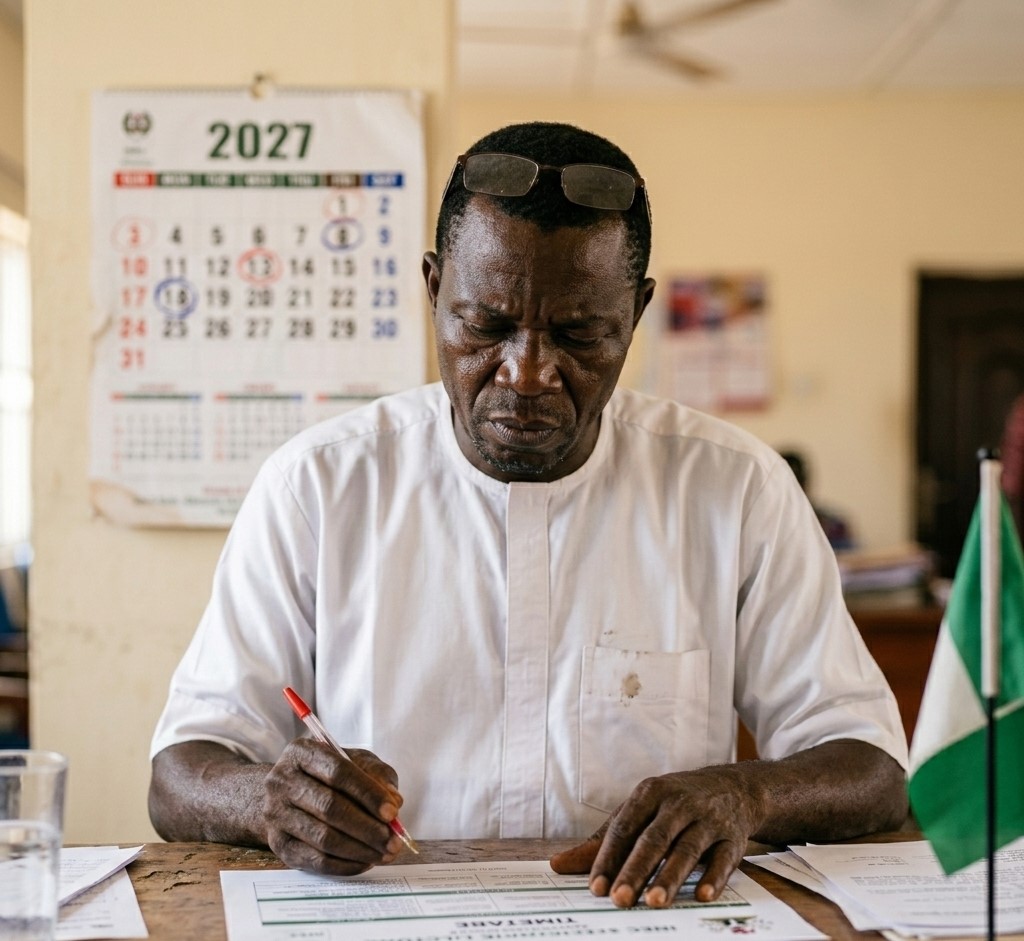
INEC and the 2027 Election Timetable
The Independent National Electoral Commission (INEC) runs on a schedule that political parties ignore at their own peril. Missing just one deadline can boot a candidate off the ballot faster than any court ruling. The 2027 calendar sets the pace for everything, from internal primaries and rallies to the final vote on election day.
Based on official updates shared in late February 2026, the commission has shifted the 2027 timeline. This change follows the scrap of the 2022 Act and the signing of the Electoral Act 2026 by President Bola Tinubu. The new dates ensure that voting does not clash with the holy month of Ramadan, answering a major concern from the public.
The Legal Basis for the New Dates
The Electoral Act 2026 grants INEC the power to set these dates. Section 28 of the new law now asks INEC to post the notice of election at least 300 days before the vote, a drop from the 360 days used previously. For 2027, the formal notice went out in February 2026 to stay in line with this updated rule.
National news reports confirmed the shift. Moving away from the usual February window, the Presidential and National Assembly elections are now set for January 16, 2027. State-level contests for Governors and Houses of Assembly will follow on February 6, 2027.
BusinessDay noted that this faster pace gives parties much less time to fix internal issues. Any group that fails to hold its primaries within the new window loses the chance to be on the ballot at all.
Key Dates for Political Parties
INEC Chairman Professor Joash Ojo Amupitan noted in February 2026 that the commission will strictly follow these legal dates. Under the 2026 Act, the commission holds the reins, and every deadline is final.
The 2027 schedule includes several points that cannot be moved:
Notice of Election
This starts the entire process. Under the 2026 law, this must be public 300 days before the vote. It lists the dates, the seats up for grabs, and the legal rules. This was re-issued on February 26, 2026, to match the January election dates.
Primary Election Window
The new plan requires parties to hold their primaries between April 23 and May 30, 2026. This includes fixing any internal fights. Primaries held after this will be blocked by the commission’s digital portal.
Submitting Names
After picking candidates, parties must upload their names. The 2026 Act makes this digital process stricter to stop the “placeholder” candidate trick. These dates are firm, with no swaps allowed later except for death or a legal withdrawal.
Campaign Launch and End
Public campaigning for federal seats starts on August 19, 2026. State-level campaigns begin on September 9, 2026. All public noise must stop 24 hours before the polls open.
Final Candidate List
INEC will post the final list well before the January polls. This ends the window for any last-minute changes due to candidates leaving the race or passing away.
Election Day
Voting for the President and National Assembly happens on January 16, 2027. State elections take place on February 6, 2027. INEC rules state all gear must be at polling units by 8:30 a.m., with party agents watching closely.
The Impact on Political Groups
The move to January makes the lead-up much shorter for everyone. Both big and small parties have to fix their plans to hit these early marks.
For Major Parties
The PwC Nigeria Economic Outlook 2026 pointed out that groups must deal with a more disciplined environment. For parties, this means raising money and spending on primaries earlier. The April 2026 start means internal leadership rows must be settled now.
For Smaller Parties
The pressure is on. Smaller groups need to show a national face and finish primaries by May 2026. While they can pick a single consensus choice, they need written proof from everyone involved that follows the party rules filed with INEC.
For New Parties
Right now, the door for new groups to join the 2027 race has mostly closed. INEC usually stops taking new sign-ups once the formal notice is out and the process is moving.
Technology in the 2027 Race
The Electoral Act 2026 adds new ways to protect digital results. While BVAS and the IReV portal are back, the law now requires instant checks to make sure the total votes don’t go over the number of verified voters.
Voter Updates
INEC has kicked off a drive to clean up the voter list. Registration started in early 2026 and is set to wrap up on August 30, 2026. No new names can be added after that.
Getting Your PVC
The schedule sets specific times for picking up voter cards. INEC has noted that cards not picked up will go to local offices for one last chance before the January vote.
Trial Runs
To prove the system works, INEC will run test runs across every district. These verify that the BVAS tools are ready and the network can handle sending results.
The Reality for Staff and Parties
In local offices, the reality of the January shift is hitting home. Many party reps are worried about the short time for primaries. The word from the commission is simple: the law is our map, and the schedule is there to make sure power is handed over in May 2027.
Fines and Penalties
The Electoral Act 2026 offers no shortcuts. Once the portal shuts, it is over. Breaking the rules leads to:
- Losing a spot on the ballot if names aren’t in on time.
- Primaries held outside the April or May window being tossed out.
- Fines or getting kicked out for campaigning too early or too late.
Next Steps for Parties
Parties should check their member lists now and make sure candidates follow the rules. Training agents and checking party laws should start today, as the vote is less than a year away.
A Push for Ease
To help smaller groups, some have asked INEC to put out a basic calendar alongside the heavy legal papers. Making the January 16 election date and the April 23 primary start easy to see helps keep the race fair for everyone.
The 2027 process is now in motion. With the January dates locked in, the outcome depends on whether politicians can show the discipline to follow the rules.


Digital Citizen Engagement Platforms for States Today: What Works and What Citizens Actually Experience

INEC 2027 Timetable and What It Means for Political Parties: Full Breakdown of Dates and Deadlines

Comedy Industry in Nigeria and Its Economic Contribution: How Laughter Became Big Business

Why Rent in Ikoyi and Banana Island Costs N180 Million Per Year: Verified Prices and Market Reality

How the Niger Coup Affected Nigeria’s Security Architecture: Border Closures and Military Realignments

Banditry, Kidnapping and Military Operations in Zamfara: The Situation in 2026

Makoko Demolitions and Over 80,000 Residents at Risk: The Facts on Ground

Construction and Real Estate Sector Outlook 2026 in Nigeria: Prices, Policies, and What Tenants Face

Why Healthcare Workers Keep Getting Infected With Lassa Fever: The 2026 Reality

Nigeria Produces 67 Percent Global Yam Output – FG Says: The Numbers Behind the Tuber

FRSC and NIMC Partner on Data Integration for Security: What This Means for Driver License Holders

How Nollywood Grew Without Government Support

Internet Sovereignty: Why Some Countries Want Their Own Separate Internet

How One Misplaced Dot Broke a Bank Login Page

The Untold Story Of The Nigerian Who Helped Build Global Internet Systems

Nigerian Hackers: The Global Fraud Story and Its Fallout

Forgotten Satellites Defy Silence, Beaming Signals for Decades

Do Not Allow Your Digital Store to Shut Down: The Exact Dates That Kill Websites

The “Village People” Aren’t Blocking Your Sales; Your Bad SEO Is.

The Business That Died because the Owner Refused to “Go Beyond.”

Why Are You Hiding Your Business From People With Money?

Entertainment as the Next Hope for Nigeria After Oil: What the Numbers Really Show
Why Healthcare Workers Keep Getting Infected With Lassa Fever: The 2026 Reality
Banditry, Kidnapping and Military Operations in Zamfara: The Situation in 2026
 Edutech Portal2 weeks ago
Internet Sovereignty: Why Some Countries Want Their Own Separate Internet
- Digital Hustle2 weeks ago
How One Misplaced Dot Broke a Bank Login Page
- Edutech Portal2 weeks ago
The Untold Story Of The Nigerian Who Helped Build Global Internet Systems
- Edutech Portal2 weeks ago
Nigerian Hackers: The Global Fraud Story and Its Fallout
- Edutech Portal2 weeks ago
Forgotten Satellites Defy Silence, Beaming Signals for Decades
- Edutech Portal2 weeks ago
Do Not Allow Your Digital Store to Shut Down: The Exact Dates That Kill Websites
- Edutech Portal2 weeks ago
The “Village People” Aren’t Blocking Your Sales; Your Bad SEO Is.
- Edutech Portal2 weeks ago
The Business That Died because the Owner Refused to “Go Beyond.”