Local SEO
Local search terms: What 1,000 People Type Now.
Understand how 1,000 people use Local search terms to find businesses. Learn about the shift in digital intent and how to position for better yield today.

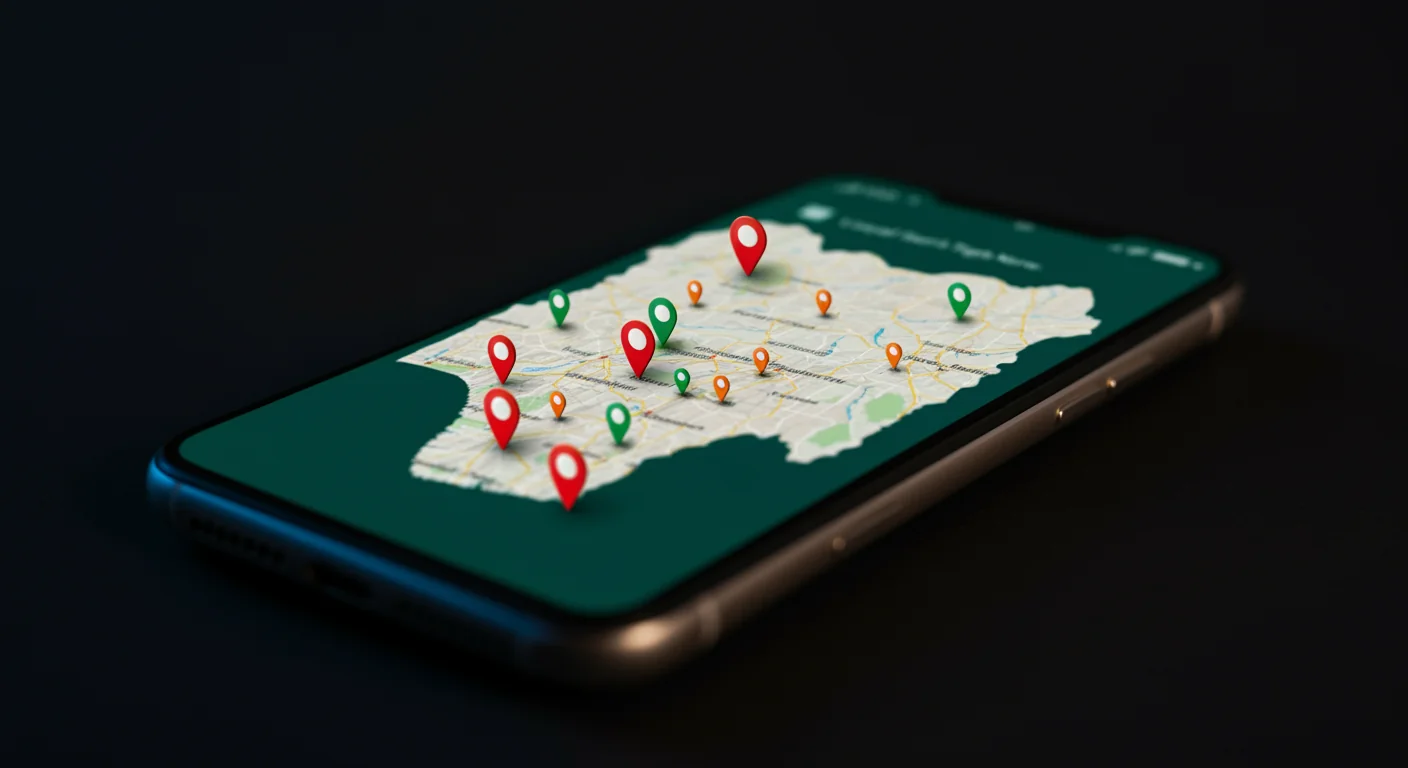
The observation of a typical street in Lagos or Abuja reveals a significant shift in how people interact with the economy. It is common to see an individual stop at a junction, pull out a mobile device, and type a specific query into a search engine. These Local search terms are the vital link between a digital inquiry and a physical purchase. While the internet was once viewed as a space for global news, it has become the primary tool for finding a nearby mechanic, a pharmacy, or a food vendor. The data shows that the intent of the user is increasingly focused on immediate proximity. This shift is a reality that all business operators must acknowledge to stay relevant in the current market environment.

The transition in digital intent
The behavior of the modern consumer is defined by a need for speed and convenience. In the past, a person might search for broad information about a product. Today, the query is far more specific. Instead of searching for ‘shoes’, the search of the user is ‘shoe shop in Ikeja’ or ‘men’s boots near me’. These Local search terms indicate a high level of intent to spend money. When a person includes a location in a search, the individual is often ready to visit the store. Analysis of search patterns suggests that seventy-six percent of people who conduct a local search on a smartphone visit a business within twenty-four hours. This activity proves that the digital space is a direct extension of the physical marketplace.
The language used in these searches is often simple and direct. Many people use the phrase ‘near me’ to find the closest solution to their current position. This reliance on location-based data is a fundamental part of how search engines provide value. Ben Gomes, a prominent figure in the field of search technology, once made a relevant observation regarding this trend:
The future of search is all about the context of the user.
This context is heavily weighted by where the person is standing at the moment of the search. If a business is absent from these results, it is invisible to a large portion of the potential market. The expansion of a brand now depends on its visibility within these specific geographic queries.
Understanding the data of the local market
Statistics provided by Google indicate that forty-six percent of all searches have a local focus. This means that nearly half of the activity on the internet is directed toward finding local information. For businesses in Nigeria, this represents a massive opportunity for expansion. The yield of a marketing strategy is often determined by how well it aligns with these Local search terms. Some operators focus on global reach, yet the most consistent activity comes from the immediate neighborhood. The phrases typed by the first 1,000 people in a day often include specific landmarks, street names, or local government areas. These details help the search engine filter results to show the most convenient options.
The use of mobile phones has accelerated this trend. Since most people carry a phone at all times, the ability to search is always present. A person standing in a queue at a bank might search for a nearby cafe. A driver stuck in traffic might look for a fuel station along the current route. These Local search terms are spontaneous and highly relevant. The strategy of the business must involve appearing in these moments of need. The yield of such visibility is often higher than traditional advertising because it meets the customer at the exact time of interest. The progress of a business is linked to its ability to capture this local intent.

The visibility of a business on the map determines how many people initiate a call.
The language of the search bar
The phrases that people type into the search bar are a reflection of their immediate reality. In Nigeria, these Local search terms often include local slang or specific descriptions of services. A search for ‘suya spot’ or ‘chemist’ is more common than ‘meat vendor’ or ‘pharmaceutical store’. Understanding the vocabulary of the local population is essential for any business that wants to improve its digital presence. The yield of a website is influenced by the choice of words used in its content. If the language of the business matches the language of the searcher, the connection is made easily. This alignment is a technical requirement for visibility in the digital space.
Many people also search for prices within their locality. Phrases like ‘price of cement in Ibadan’ or ‘cost of data in Lagos’ are frequent. These queries show that the user is looking for localized economic data. The business that provides this information clearly and accurately is likely to win the trust of the searcher. Accuracy in these details is a major factor in the reputation of a brand. When the information provided in the digital space matches the reality in the physical store, the expansion of the business is supported. The consistency of data across all platforms is a hallmark of a professional operation.
Optimizing for the local digital space
To benefit from these Local search terms, a business must ensure that its information is accessible and correct. This involves listing the address, phone number, and hours of operation clearly. Search engines use this data to rank businesses in local results. A business with a complete profile is more likely to appear at the top of the list. This position is valuable because most users only look at the first few results. The expansion of a customer base is often a direct result of being easy to find. Some individuals call this ‘local SEO’, but it is essentially just being present where the people are looking.
The use of images also plays a role in how people interact with search results. A person looking for a restaurant will likely click on a result that shows photos of the food and the interior. These visuals provide a sense of security and help the user make a decision. The digital space is a visual environment, and the quality of the imagery can influence the yield of the business. Including photos of the storefront and the staff makes the business feel more real to the searcher. This transparency is a key element in building a relationship with a new customer before they even walk through the door.
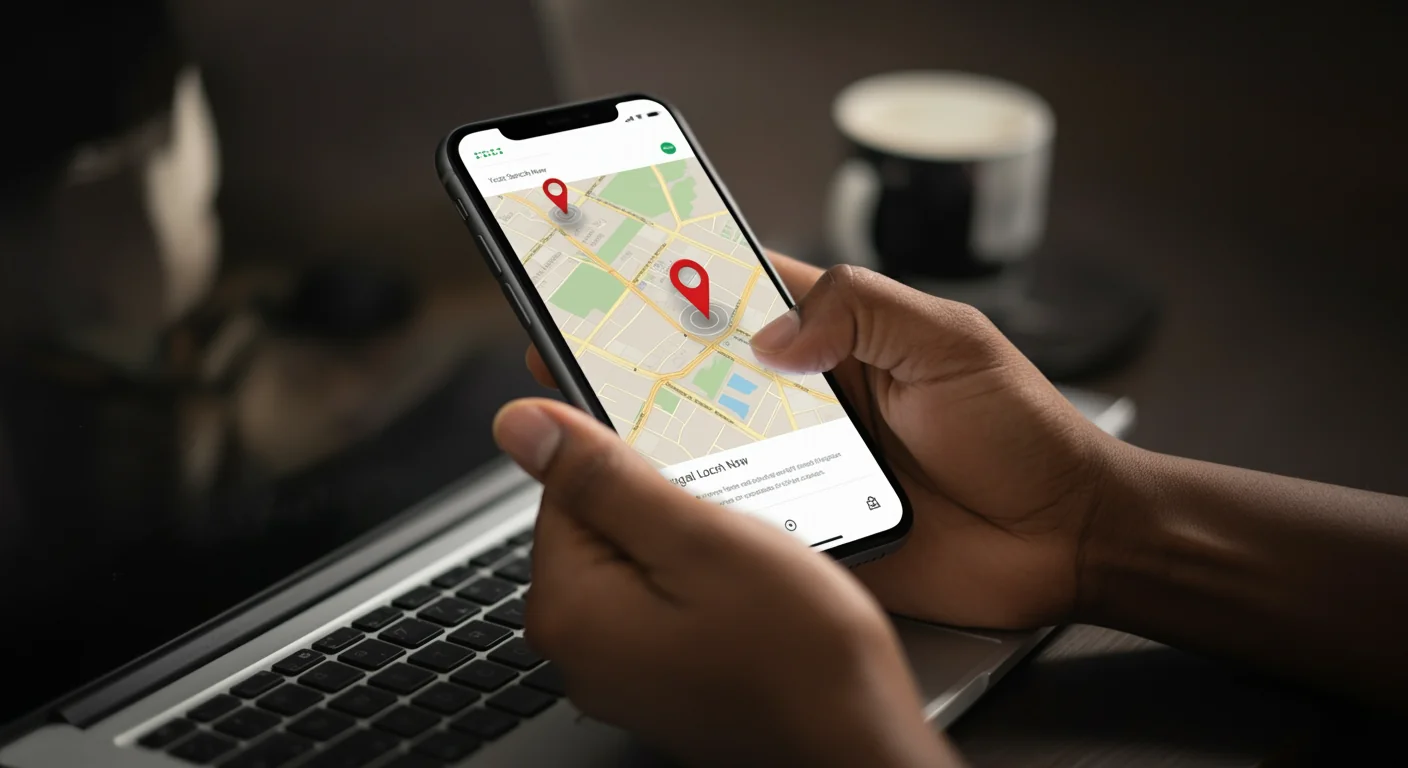
Maps and local listings are the primary destination for most intent-based searches.
The future of local inquiries
As technology improves, the way people use Local search terms will continue to change. Voice search is becoming more common as individuals speak directly into their phones. These spoken queries are often even more conversational and local in nature. A person might say, ‘Where is the nearest place to buy a recharge card?’ instead of typing a short phrase. This shift requires businesses to think about the natural language of their customers. The ability to adapt to these changes is a requirement for long-term expansion in the market. The digital space is always in a state of activity, and staying informed is the only way to maintain a competitive edge.
The reality of the Nigerian market is that local intent is the driving force of commerce. Whether in a small village or a large city, people want to find solutions that are close to them. By understanding the Local search terms that 1,000 people type today, a business can position itself to meet those needs. The yield of this effort is a more resilient and visible operation. The focus remains on providing value to the local community through the digital tools available. This approach ensures that the business stays at the forefront of the mind of the consumer. The progress of the local economy is fueled by these small, digital interactions that lead to real-world transactions.







Local SEO
Google Maps SEO Switch Boosts Your Calls Fast.
The visibility of a business depends on Google Maps SEO. Proper coordination of data ensures that customers find the business and call for services quickly.

The visibility of a business in the digital space determines the frequency of the phone ringing. Many business owners in Nigeria assume that a simple registration on the internet is enough to attract customers. The reality remains that thousands of competitors exist in the same city, all vying for the attention of the same audience. Without the right coordination, a storefront stays hidden in the shadows of the search results. The activation of a specific strategy known as Google Maps SEO provides the necessary light for these businesses to be found by those who need their services immediately.
The Logic of Digital Visibility in Local Search
Most individuals looking for a plumber, a lawyer, or a restaurant will turn to their mobile phones. They search for terms like “services near me” or specific locations within their neighborhood. The algorithm of the search engine prioritizes businesses that provide the most accurate and relevant information. Google Maps SEO serves as the bridge between a local business and a potential customer. When a business profile is properly optimized, it appears in the top three results of the map section. This section receives the majority of clicks and calls because it is the first thing a user sees on a mobile screen.
The placement of a business in this top tier is a matter of precision. The search engine looks for consistency in the name, address, and phone number of the establishment. Any discrepancy in this data leads to confusion for the algorithm, which then results in a lower ranking. Maintaining a single, accurate record across the entire digital space is a fundamental requirement for any operator seeking to increase the volume of inquiries. The process of Google Maps SEO involves the constant refinement of these details to ensure the business stays at the forefront of the mind of the customer.

The Statistical Reality of Local Inquiries
Data suggests that a significant portion of local searches results in a physical visit or a phone call within twenty-four hours. This reality makes the map profile the most valuable asset for a brick-and-mortar establishment. According to industry observations, businesses appearing in the local pack receive approximately seventy percent of the total clicks for that specific search. This high engagement rate is the reason why Google Maps SEO is a priority for experienced operators. The yield from a well-managed profile far exceeds the results of traditional advertising methods which often fail to reach the target audience at the exact moment of need.
The internet is becoming the town square for the global village of tomorrow.
— Bill Gates
This observation by Bill Gates highlights the necessity of a digital presence. If the town square is where people gather, the map is the directory that tells them where to go. A business that lacks a presence in this directory effectively stays outside the market. The expansion of a business depends on its ability to be seen where the customers are already looking. The Google Maps SEO strategy ensures that the business remains a part of the conversation in the local community.
The Switch: Coordinating Business Details for Maximum Yield
The term “switch” refers to the specific adjustments that turn a dormant profile into a lead-generating machine. The first step in this transition is the verification of the business. An unverified profile lacks the trust of the search engine and the public. Once verification is complete, the focus shifts to the selection of the correct categories. Choosing a category that is too broad or too narrow can limit the reach of the business. Google Maps SEO requires a careful balance to ensure the business appears for all relevant search queries.
The addition of high-quality photographs is another critical element. Images provide a visual confirmation of the existence and quality of the business. Profiles with recent and clear photos experience higher engagement levels than those with empty galleries. The algorithm interprets this activity as a sign that the business is active and reliable. Regular updates to the profile, such as adding new photos or responding to questions, signal to the search engine that the information is current. This ongoing activity is a core component of Google Maps SEO and contributes to the long-term progress of the business.

The Role of Reputation in the Digital Space
The opinions of past customers carry immense weight in the digital environment. Reviews are the modern version of word-of-mouth recommendations. A business with a high volume of positive feedback naturally attracts more attention. The Google Maps SEO process includes the management of these reviews to build a solid reputation. Acknowledging each review with a professional response demonstrates a commitment to service. This interaction increases the trust levels of potential customers who are reading the experiences of others.
The frequency and recency of reviews also influence the ranking of the business. A profile that receives steady feedback stays relevant in the eyes of the algorithm. Encouraging satisfied customers to share their experiences is a legitimate and effective way to boost the profile. The expansion of the reputation of the business directly correlates with the expansion of the call volume. Google Maps SEO leverages this social proof to ensure the business stays ahead of the competition. The goal is to create a profile that looks both authoritative and welcoming to the local audience.
Expansion Through Local Citations and Backlinks
The authority of a business profile is also built through its connections to other parts of the internet. Mentioning the business on local directories, news sites, and blogs creates what is known as a citation. Each citation acts as a vote of confidence for the business. Google Maps SEO involves the strategic placement of these citations to strengthen the digital footprint of the establishment. The more times the business is mentioned accurately across the web, the more the search engine trusts its existence and relevance.
The relationship between the website of the business and the map profile is also vital. A well-optimized website that includes local keywords and clear contact information supports the ranking of the map profile. This synergy creates a robust presence that is difficult for competitors to displace. The progress of the business in the search rankings is a result of these coordinated efforts. Google Maps SEO is a comprehensive task that requires attention to both the map profile and the wider digital space. The yield of this effort is a steady stream of inquiries and a stronger position in the local market.
[IMAGE_PLACEHOLDER: A minimalist illustration of a single silver bell mid-swing, with soft grey watercolor accents. 1:1 aspect ratio.|alt_text: A silver bell ringing to represent the calls generated by Google Maps SEO|caption: A well-coordinated strategy results in a consistent increase in customer inquiries.]
Final Observations on Digital Coordination
The path to a prosperous local business in Nigeria involves more than just hard work in the physical shop. It requires a smart approach to the digital space. The activation of Google Maps SEO is a proven way to ensure the business is visible to those who are ready to buy. The matter is simple: visibility leads to calls, and calls lead to transactions. By focusing on the coordination of data, the management of reputation, and the expansion of digital authority, any business can improve its position in the market.
The reality of the current economy demands that operators use all available tools to reach their audience. The map is the most direct tool for local engagement. Staying passive in the digital space is a choice that leads to stagnation. Choosing to optimize the profile through Google Maps SEO is a choice that leads to progress and activity. The switch is available to all who are willing to apply the necessary precision to their digital presence. A business that is easy to find is a business that stays busy.

Get more reviews With a 5-Star Review System.

Smart CEOs Use Business data analysis to Win.

Google Maps SEO Switch Boosts Your Calls Fast.

Finally Going Beyond Local.

Online business gain: One Click to Success.

Automated lead systems: Wake to 50 Leads.

Global business mindset: A Local Empire.

Market trend analysis: Find the Next Wave.

Use Business brand visibility to Get Leads.

Local search terms: What 1,000 People Type Now.

The Influence of High Value Phrases on Premium Client Acquisition

1000 Local Searches Analyzed: What People Actually Type

Internet Sovereignty: Why Some Countries Want Their Own Separate Internet

How One Misplaced Dot Broke a Bank Login Page

The Untold Story Of The Nigerian Who Helped Build Global Internet Systems

Nigerian Hackers: The Global Fraud Story and Its Fallout

Forgotten Satellites Defy Silence, Beaming Signals for Decades

The Smallest Change That Will Affect All Digital Operations

Do Not Allow Your Digital Store to Shut Down:

Implement Local SEO Fixes for Lagos: Beat Google Maps Competitors

Core Web Vitals Checklist: How to Achieve a Near-Perfect Score on Mobile Devices

Stop Being Busy, Start Being Productive – Focus on What Matters to Achieve Success

Nigeria Enter One Chance? Insecurity and Sachet Economy in 2026

The “Village People” Aren’t Blocking Your Sales; Your Bad SEO Is.
 Technology4 months ago
Internet Sovereignty: Why Some Countries Want Their Own Separate Internet
- Technology4 months ago
How One Misplaced Dot Broke a Bank Login Page
- Technology4 months ago
The Untold Story Of The Nigerian Who Helped Build Global Internet Systems
- Security First4 months ago
Nigerian Hackers: The Global Fraud Story and Its Fallout
- Technology4 months ago
Forgotten Satellites Defy Silence, Beaming Signals for Decades
- Technology2 months ago
The Smallest Change That Will Affect All Digital Operations
- E-Commerce2 months ago
Do Not Allow Your Digital Store to Shut Down:
- Technical Guide2 months ago
Implement Local SEO Fixes for Lagos: Beat Google Maps Competitors