HealthCare
Why Healthcare Workers Keep Getting Infected With Lassa Fever: The 2026 Reality

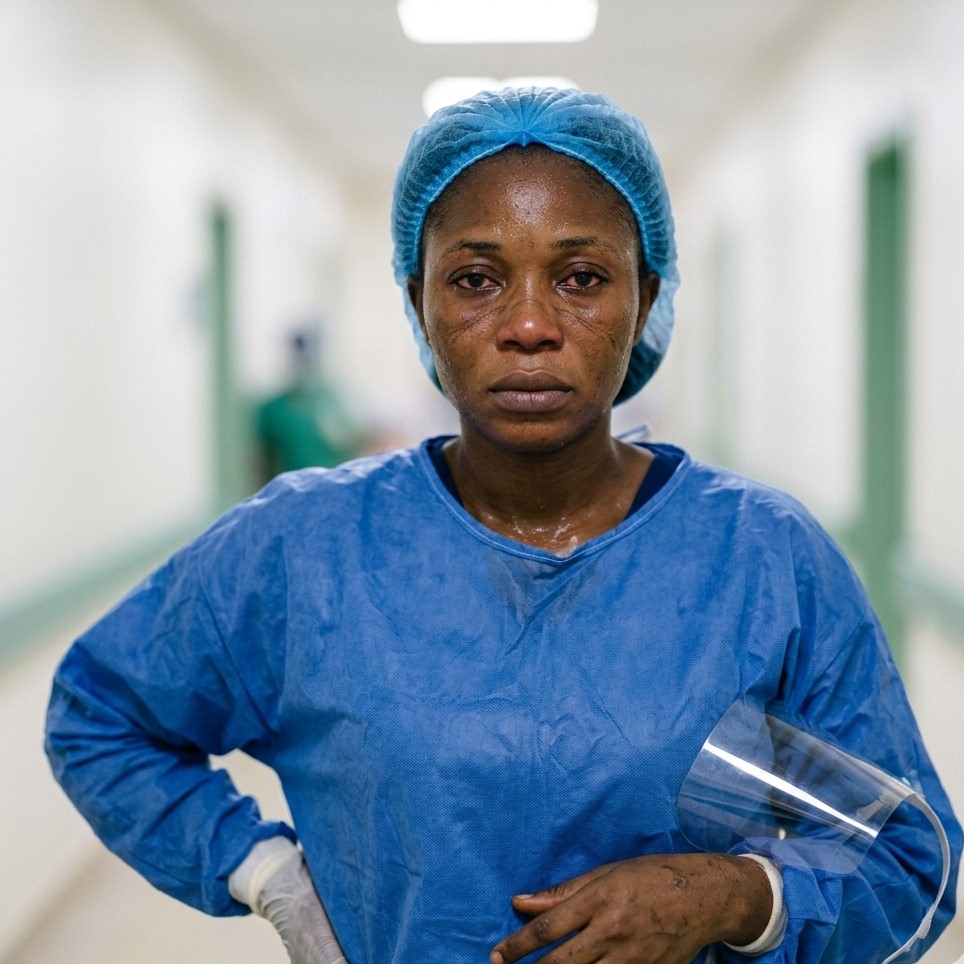
A healthcare worker walks into a Lassa fever isolation ward wearing full personal protective equipment. Twelve days later, that same worker lies in a bed on the other side of the glass, fighting the same virus they tried to treat. This scene remains a recurring challenge during outbreak seasons across Nigeria.
According to the Nigeria Centre for Disease Control and Prevention (NCDC), healthcare workers remain a high-risk group during Lassa fever outbreaks. Data from the early weeks of 2026 indicates that medical personnel continue to be affected, with several confirmed cases and fatalities reported among frontline staff. This highlights the persistent gap in infection prevention and control (IPC) measures.
The question remains a priority in hospital corridors from Ebonyi to Edo: Why do the professionals who understand the virus best continue to face such high exposure risks?
The Infection Data
The NCDC Lassa Fever Situation Reports for 2026 provide the critical metrics. In the first two months of the year, Nigeria recorded hundreds of confirmed cases across dozens of states. The case fatality rate (CFR) remains a concern, often hovering between 15 and 20 percent for confirmed cases, emphasizing the lethal nature of the disease when diagnosis is delayed.
National news reports indicate that infections among healthcare workers are often concentrated in “hotspot” states. Ebonyi, Ondo, and Edo consistently report the highest burdens. These states house specialized treatment centers where the most severe cases are referred, increasing the cumulative exposure for the staff working there.
BusinessDay and other economic analysts have noted that the toll on the healthcare system is significant. Beyond the human loss, the infection of a single doctor or nurse can lead to the quarantine of entire teams, straining already thin staffing levels and sometimes forcing the temporary closure of specialized units.
Risk Points Inside Treatment Centers
Experts in infectious diseases have identified specific areas where safety protocols often face the greatest pressure.
The Difficulty of Doffing
Putting on protective gear is methodical, but removing it (doffing) is the highest-risk activity. Public health analyses show that physical exhaustion contributes to errors. After hours spent in airtight, heavy suits in high temperatures, workers may inadvertently touch their skin or clothes with contaminated gloves during removal.
Medical Procedures and Aerosols
While Lassa fever is primarily transmitted through direct contact with infected bodily fluids, certain medical interventions—such as intubation or suctioning—can create aerosols. Without specialized high-grade ventilation or negative pressure rooms, which are not available in every facility, these particles pose a heightened risk to staff nearby.
Staff Fatigue and Ratios
Health advocacy groups have investigated staffing levels at treatment centers. During peak season, the patient-to-nurse ratio can exceed recommended limits. Fatigue leads to a decline in alertness, making it easier for small but fatal breaches in safety protocol to occur.
The Primary Exposure Pathways
Epidemiological tracking identifies several ways healthcare workers are exposed to the virus:
Pathway One: Late Suspected Diagnosis
Many patients present with symptoms that mimic malaria or typhoid. Because Lassa fever is not always the first suspicion, workers in general wards may handle a patient’s fluids without full protective gear. By the time Lassa is confirmed, the exposure has already happened.
Pathway Two: Resource Gaps
Media investigations have highlighted that some primary and secondary health centers struggle with consistent supplies of high-quality PPE. While major treatment centers are usually well-stocked by the NCDC, smaller facilities often lack the necessary gear to handle suspected cases safely during the initial triaging phase.
Pathway Three: Environmental Factors
The multimammate rat, which carries the virus, is common in many parts of Nigeria. Hospital environments must be strictly managed to prevent rodent intrusion. Contamination of surfaces or food in staff areas by rodents remains a documented risk factor in endemic regions.
The Training and Policy Gap
NCDC reports often emphasize the need for continuous training. While thousands of workers have been trained in IPC, high staff turnover and the rotation of new personnel into endemic areas mean that there is a constant need for refresher courses.
Economic analyses suggest that the cost of treating an infected healthcare worker far exceeds the cost of preventive training and adequate PPE provision. Strengthening the “safety culture” within hospitals—where staff hold each other accountable for every step of the protocol—is seen as the most sustainable way to drive down infection rates.
2026 Interventions and Strategies
The NCDC and Ministry of Health have introduced updated strategies to protect frontline workers:
The Buddy System
Facilities are now encouraged to use a “Safety Officer” or buddy system. No worker enters or leaves a high-risk zone without a colleague observing the process to ensure no protocol is skipped. This secondary check is a proven method for reducing self-contamination.
Enhanced Diagnostic Speed
The deployment of more molecular laboratories has shortened the time it takes to get a result. Reducing the “wait time” for a diagnosis means patients are moved into specialized isolation faster, protecting the staff in general hospital wards.
Moving Forward
Healthcare workers in high-burden states have expressed the need for consistent hazard allowances and better psychological support. Working in a Lassa ward is mentally and physically taxing; reducing shift lengths and ensuring staff have access to mental health resources is critical for maintaining the focus required for safety.
A low-cost but effective tool being highlighted is the use of full-length mirrors at doffing stations. This allows workers to visually inspect their gear for tears or fluid splashes and ensures they see exactly what they are doing while removing contaminated equipment. Small, practical steps like these, combined with systemic support, are the key to ensuring that those who save lives do not lose their own in the process.


Construction and Real Estate Sector Outlook 2026 in Nigeria: Prices, Policies, and What Tenants Face

Why Healthcare Workers Keep Getting Infected With Lassa Fever: The 2026 Reality

Nigeria Produces 67 Percent Global Yam Output – FG Says: The Numbers Behind the Tuber

FRSC and NIMC Partner on Data Integration for Security: What This Means for Driver License Holders

How Nollywood Grew Without Government Support

Entertainment as the Next Hope for Nigeria After Oil: What the Numbers Really Show

How One Misplaced Dot Broke a Bank Login Page

Nigerian Hackers: The Global Fraud Story and Its Fallout

Internet Sovereignty: Why Some Countries Want Their Own Separate Internet

Forgotten Satellites Defy Silence, Beaming Signals for Decades

The Untold Story Of The Nigerian Who Helped Build Global Internet Systems

Why Are You Hiding Your Business From People With Money?
Internet Sovereignty: Why Some Countries Want Their Own Separate Internet
How One Misplaced Dot Broke a Bank Login Page
The Untold Story Of The Nigerian Who Helped Build Global Internet Systems
Nigerian Hackers: The Global Fraud Story and Its Fallout
Forgotten Satellites Defy Silence, Beaming Signals for Decades

The “Village People” Aren’t Blocking Your Sales; Your Bad SEO Is.

The Business That Died because the Owner Refused to “Go Beyond.”
Why Are You Hiding Your Business From People With Money?
Entertainment as the Next Hope for Nigeria After Oil: What the Numbers Really Show
FRSC and NIMC Partner on Data Integration for Security: What This Means for Driver License Holders
Nigeria Produces 67 Percent Global Yam Output – FG Says: The Numbers Behind the Tuber
Why Healthcare Workers Keep Getting Infected With Lassa Fever: The 2026 Reality
 Edutech Portal2 weeks ago
Internet Sovereignty: Why Some Countries Want Their Own Separate Internet
- Digital Hustle2 weeks ago
How One Misplaced Dot Broke a Bank Login Page
- Edutech Portal2 weeks ago
The Untold Story Of The Nigerian Who Helped Build Global Internet Systems
- Edutech Portal2 weeks ago
Nigerian Hackers: The Global Fraud Story and Its Fallout
- Edutech Portal2 weeks ago
Forgotten Satellites Defy Silence, Beaming Signals for Decades
- Edutech Portal2 weeks ago
The “Village People” Aren’t Blocking Your Sales; Your Bad SEO Is.
- Edutech Portal2 weeks ago
The Business That Died because the Owner Refused to “Go Beyond.”
- Edutech Portal2 weeks ago
Why Are You Hiding Your Business From People With Money?