E-Governance
When Thinking Machines Write the New State Laws
When Machines Write New State Laws, the speed of governance improves. This digital bridge provides modern solutions for the administrative offices of the state.


When Thinking Machines Write the New State Laws
Automated processors now generate the first versions of legal codes for the state assemblies. The period of manual typing by office clerks has evolved into a new phase. When Machines Write New State Laws, the administrative speed of the government increases.
This shift ensures the legislative process keeps pace with the demands of the modern world. It functions as a digital bridge between the demands of the street and the files of the office. The computer programs analyze thousands of existing statutes in seconds. A manual draft of a land reform bill takes several weeks.
The electronic system produces the same document in three minutes. This method of drafting reduces the typographical errors found in old paper files. The legislative building now relies on server rooms instead of dusty cabinets.
“Oga, the laptop has finished the draft for the new market tax.”
“Check if the machine included the exemption for the small traders.”
The Power of the Digital System
The reasoning of the machine uses data points from verified databases. It identifies conflicting rules in the current law books. Twelve states in the federation now utilize drafting tools to assist legal officers. The output of the machine provides a firm foundation for public debate.
The digital system resides on backup batteries during power outages. This continuity of work allows the state assembly to meet deadlines. Each clause undergoes a digital check before the human eyes review it.
The visibility of the law improves when Machines Write New State Laws. This modern arrangement brings efficiency to the administrative space.
“The code of the law becomes the code of the computer.” — Lawrence Lessig
Human Oversight of the Machine
The legislators retain the final authority over the printed text. They review the suggestions of the software and make final adjustments. Human reasoning exists at the terminal stage of the process. The machine provides the template while the lawmaker provides the intent. This collaborative method ensures the law reflects the wishes of the people.
Statistical data shows a forty percent reduction in drafting time. The legislative complex saves hundreds of hours during budget sessions. The digital bridge connects the technical data to the political decisions. When Machines Write New State Laws, the public receives the final versions with speed. The expansion of technology in the legal system is visible.
“Does the computer know the difference between a shop and a kiosk?”
“The computer knows what we tell it to know, but the chairman has the final pen.”
The Future of the Administrative Space
The space of the internet holds the records of the state. Each person can access the drafts online for public review. The clarity of the system reduces legal disputes over vague wording. The government operates with modern tools to serve the citizens. This progress ensures the laws of the land are current and accessible.
The administrative building is becoming a hub of data. Legislative officers receive training on automated systems. When Machines Write New State Laws, the paperwork becomes digital files. This transition marks the progress of the nation into the electronic age. The system continues to operate for the benefit of the public.
“Artificial intelligence will be the most disruptive force in history.” — Elon Musk
The digital bridge serves the interests of the state. Legislation is no longer a slow task for clerks working with paper only. Each bill moves from concept to draft with minimal delay. When Machines Write New State Laws, the government demonstrates capability and foresight. The future of governance exists in the integration of technology.



E-Governance
The Wise Path of the Straight State Law
Discover how the Wise Path Straight State Law provides a foundation for expansion. The digital bridge connects the street to the office for a better future.
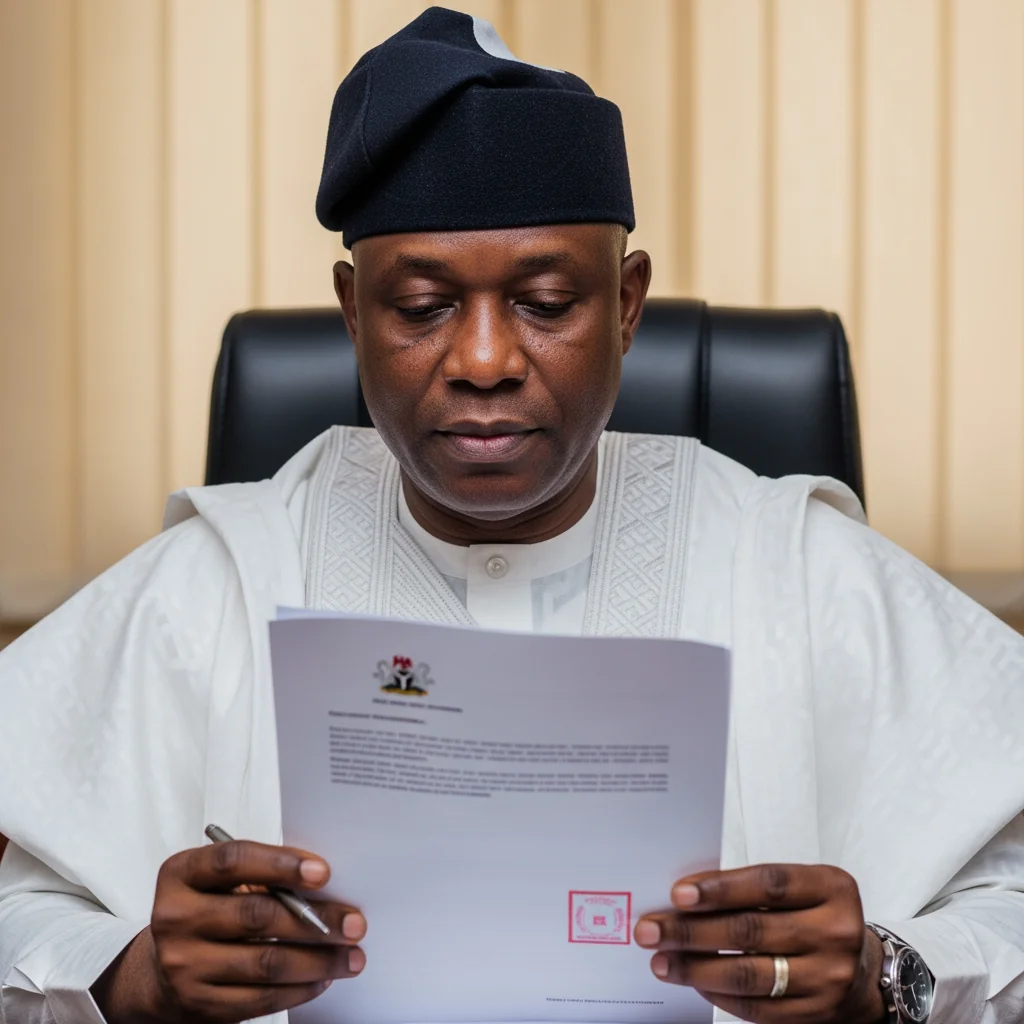
The Straight Path of the Law: A Guide for the Citizen
A person who honors the rules of the state finds the doors of the headquarters open. Following the straight path of the law provides a legal foundation that persists during seasons of change. People who follow the code of the land find that their files move through the system with fewer delays.
In the office of the administrator, the paper with the correct stamp moves while the paper with errors requires correction. High-ranking officials recognize that the expansion of the state depends on the order of the documents.
The reasoning behind these rules is simple. Each individual must provide a record of their identity to the government. When the government confirms the identity of the person, the person gains the ability to participate in the economy.
The digital bridge provides the connection between the street and the office. This method allows for the transmission of data without the risk of rain or wind damaging the physical folder. Many people use this tool to ensure their records are accurate in the national database.
The Document Trail of the Wise
Searching for a file in a room without a light bulb requires a person with a bright torch. In the administrative building, the smell of old paper and damp archives tells the story of many years. A clerk who finds a missing file assists the process for that day.
“The ink in the stamp is dry,” a clerk says to the applicant. “Wait for the rain to fall, maybe the moisture will wake it up,” the man replies. This kind of patience is sometimes required in the halls of power.
The total number of registered entities in the region reached 1.4 million individuals during the last census. The government uses these numbers to plan for the building of schools and roads. A person who follows the straight path of the law ensures their household is included in these plans.
The law functions as a guide for the progress of the community. A person who maintains accurate records remains visible to the systems of the state.
“The law is a tool for the progress of the people and the shield of the citizen.” — Justice Timothy Aguda
If a person lacks the correct digital ID, the government cannot verify the person. This situation creates a barrier to the expansion of business activities. Confirming the details of the citizen is the first step in the development of the nation.
Verified identity allows the treasury to distribute funds to the correct locations. The full set of records must be complete before the bank issues a loan.
Digital Progress and Identity
The digital bridge makes the movement of data fast and reliable. Each record enters the system and remains there for the duration of the life of the citizen. This method of record-keeping replaces the dusty shelves of the past.
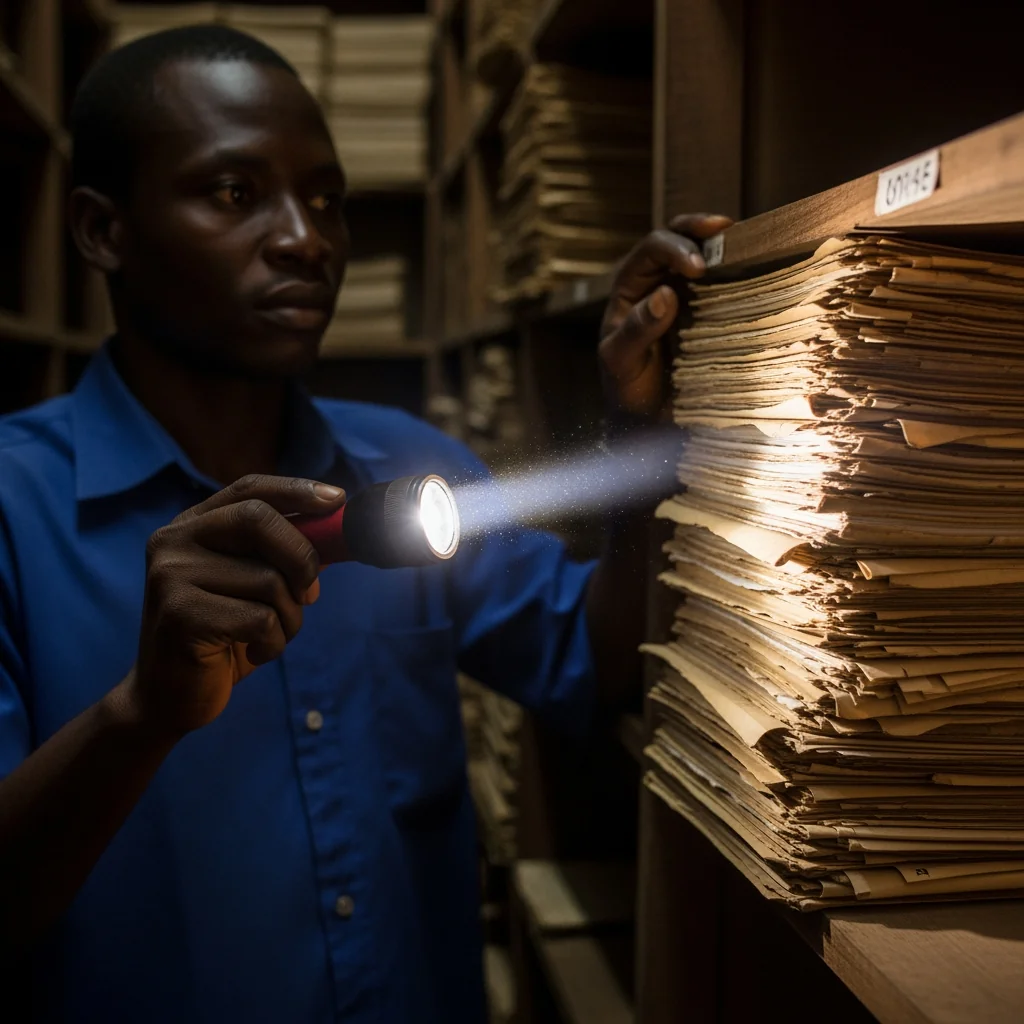
The expansion of the database ensures that 50,000 ghost workers are removed from the payroll of the state. This action saves billions of Naira for the public treasury.
“The computer says the name is missing from the list,” the officer explains. “Refresh the page, the electricity was off for three hours,” the woman suggests. This interaction is common in the modern office where the machine and the human work together.
Following the straight path of the law requires that the data on the screen matches the data on the paper. A person who maintains accurate records avoids delays in the administrative process.
The state continues to improve the way it interacts with the people. The total amount of revenue collected through electronic portals has increased by 30 percent. This money provides the means for the progress of the society.
People who use the digital bridge contribute to this expansion by paying their fees on time. The law of the land provides a defined path for each person to follow.
The Future of the State
The expansion of the legal framework provides a foundation for the next generation. Following the straight path of the law is a mark of a responsible citizen. The state recognizes the activity of the person who pays taxes and registers their property.
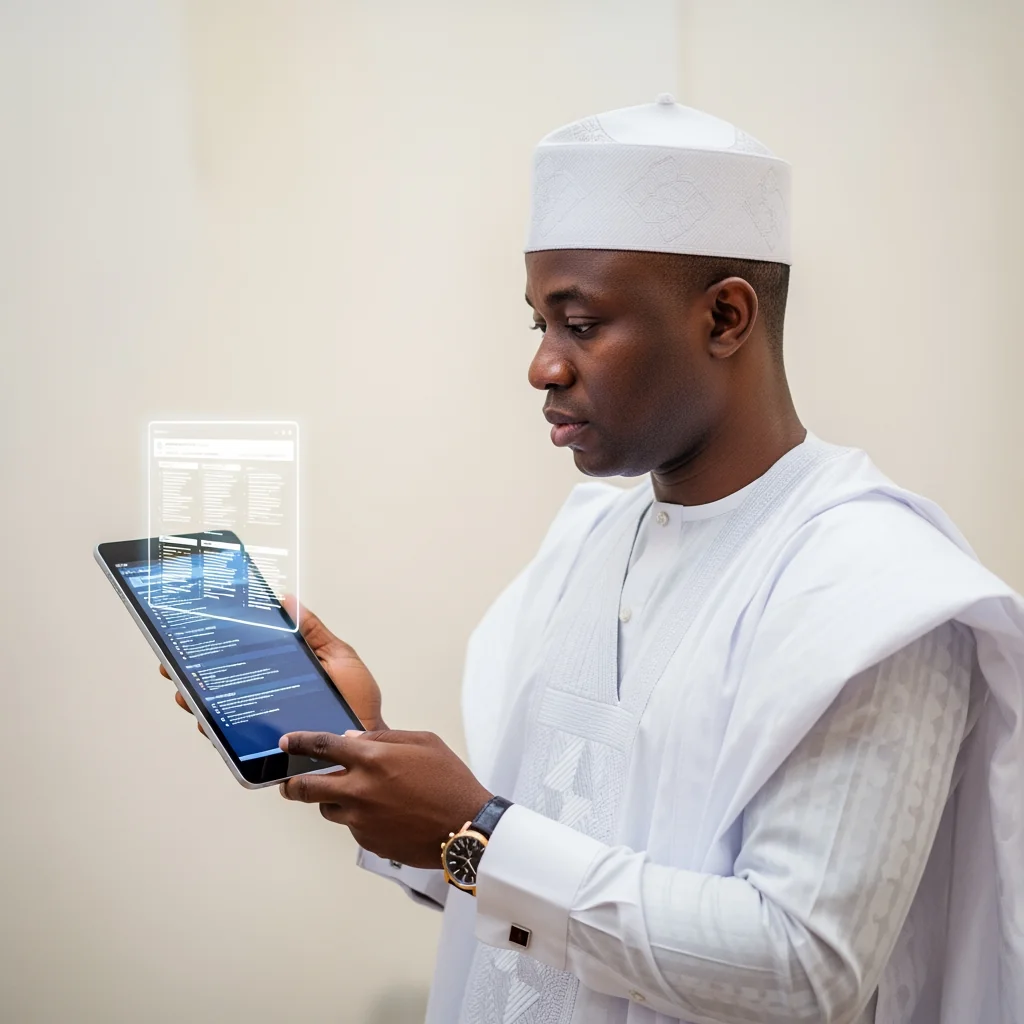
This recognition creates a sense of safety for the family and the business owner.
“The governor signed the paper this morning,” the lawyer says. “Then the land belongs to the man now,” the assistant replies. This result is the outcome of following the defined rules.
Each signature on a document is a step toward the completion of the objective. The administrative building contains the history of these achievements in its files.
Expecting a manual file to move during a public holiday is like expecting a dry tap to suddenly bring cold water. A person who understands the timing of the office finds progress. The straight path of the law persists because it provides a reliable method for the development of the state.
The path is open for those who choose to walk it with attention and patience.
E-Governance
International Sanctions in the Modern Digital Banking Age
Financial systems change as Sanctions Modern Digital Banking Age influences trade. Confirm compliance to avoid restrictions on the account of the user.
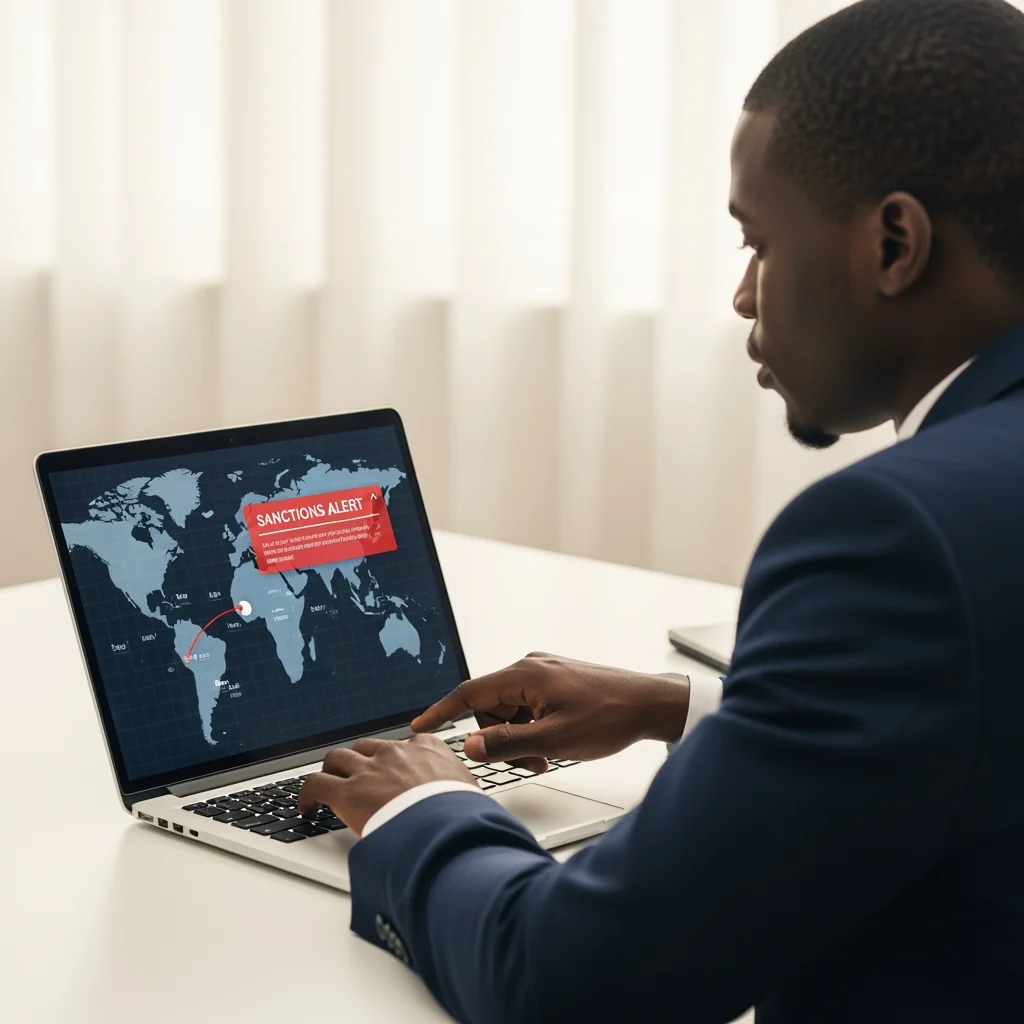
International Sanctions in the Modern Digital Banking
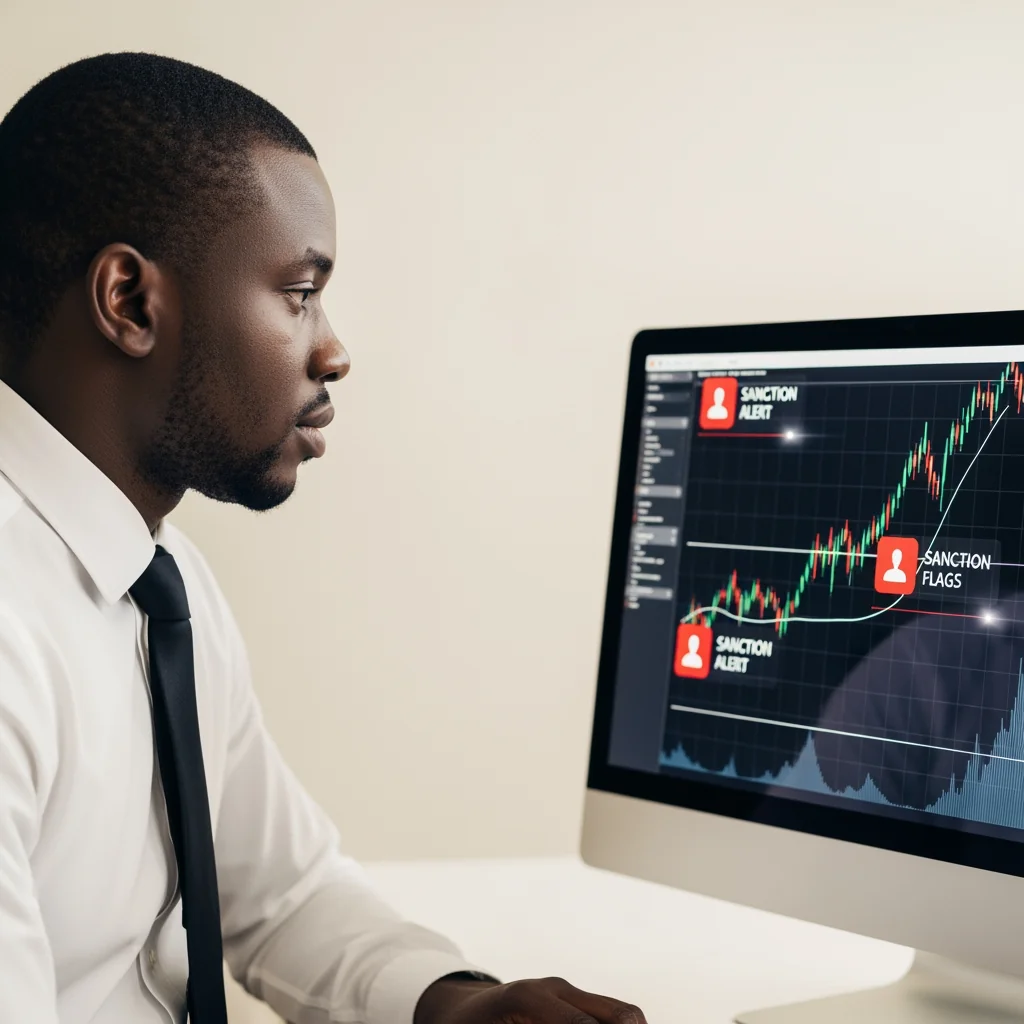
When international bodies place restrictions on individuals or entities, Nigerian banks receive electronic alerts that freeze affected accounts. These freezes occur because global financial systems share information through digital networks. A declined transaction at a point-of-sale terminal may indicate that the sender or recipient appears on an international sanctions list.
The Speed of Global Enforcement
Digital systems now track cross-border money movements with automated screening tools. Before electronic systems existed, investigators spent months following paper trails across multiple countries. Today, computer systems in other jurisdictions flag suspicious transactions within seconds. The speed of these systems prevents individuals from moving funds through manual methods without detection.
Every international transfer undergoes screening against databases maintained by the Office of Foreign Assets Control, the United Nations, and other international bodies. Nigerian financial institutions connect their local systems to these international databases. This connection enables a bank in Lagos to verify the status of a sender in London immediately. When a person’s name matches an entry on a sanctions list, the system automatically blocks the transfer.
A compliance officer at a Lagos bank stated: “We receive updates to sanctions lists every twenty-four hours. Our system checks every transaction against these lists before processing continues.”
“Oga, the card is declining.”
“Try it again, the money is inside.”
“The machine says ‘account restricted’. You have to call your bank.”
“Financial integrity is the foundation of a stable global economy, and digital oversight is the primary tool for its protection.” — Janet Yellen, U.S. Secretary of the Treasury
Identity as a Financial Requirement
Banks use identity verification to confirm the identity of each account holder. The Bank Verification Number and the National Identification Number provide the data points for this verification. Without these identification numbers, individuals cannot open accounts or access formal financial services.
The Nigeria Inter-Bank Settlement System reported that active bank accounts exceeded 190 million in 2023, with each account linked to a verified identity. When a customer initiates a large transfer, the system checks their profile against global risk indicators. The Financial Action Task Force placed Nigeria on its gray list in February 2023, which increased scrutiny for international transfers from the country.
Each bank requires specific documentation for foreign exchange transactions to meet Central Bank of Nigeria guidelines. A bank branch manager in Kano explained: “For any transfer above ten thousand dollars, we request proof of income, tax clearance, and beneficiary details. These documents go to our compliance unit for review.”
“They asked for my tax clearance and my utility bill.”
“Is the money for school fees?”
“Yes, but the bank says the recipient bank is under investigation.”
The Digital Bridge and Compliance
The connection between Nigerian banks and the global financial network ensures that local institutions follow international rules. Banks that do not meet these requirements lose their ability to process foreign currency transactions. This loss of access prevents the bank and its customers from participating in international markets.
Compliance with international standards is mandatory for financial institutions that operate across borders. Banks allocate resources to compliance departments and monitoring software to meet these standards. The cost of compliance is lower than the cost of exclusion from the global financial system.
A banker in Lagos explained: “We screen every transaction that crosses N10,000. If the system flags a name, we stop and verify. The international partners audit our records every quarter.”
The Financial Action Task Force removed Nigeria from its gray list in February 2024 after the country demonstrated progress in its anti-money laundering framework. This removal reduced friction for international transfers and signaled confidence in the Nigerian financial system.
The Path Forward for Nigerian Banking
The expansion of digital banking brings both opportunity and responsibility. Customers can send money across the world from their phones, but the systems that enable this speed also require accuracy in identity verification. A person who maintains proper records and valid identification experiences fewer delays.
International sanctions exist to protect the financial system from abuse. When Nigerian banks comply with these rules, they gain the trust of correspondent banks in other countries. This trust allows for faster settlements and lower fees for customers sending money abroad.
A business owner who exports goods said: “When my bank upgraded its compliance system, my transfers started clearing in one day instead of one week. The delay was not the bank. The delay was the verification. Now the verification is automatic.”
The Financial Action Task Force continues to update its requirements as the methods of financial crime evolve. Nigerian banks stay current with these changes through training and technology investments. The connection between local institutions and this global framework ensures that Nigeria remains an active participant in the international financial system.
The future of banking depends on accurate data and transparent transactions. Customers who provide complete information to their banks enable faster service and fewer interruptions. The system works best when every participant follows the same rules.
E-Governance
The Challenge of Taxing the Modern Digital Nomad
Taxing the Modern Digital Nomad presents a difficulty for the state as income moves to the digital Space. The digital bridge links virtual earnings to the treasury.

Taxing the Modern Digital Nomad
A person earns a salary in foreign currency while residing in Lagos, yet the tax office currently lacks visibility into this income. The funds arrive through digital payment platforms while the earner lives in a local neighborhood. This situation creates an opportunity for Taxing the Modern Digital Nomad to become a priority for the state.
The tax laws of Nigeria have historically relied on physical locations and fixed business addresses. Traditional revenue collection methods identify factories, shops, and office buildings as sources of tax revenue. When work occurs entirely through digital platforms, the tax officer finds no physical premises to assess. This gap means revenue generated within the country’s borders may go untaxed.
A graphic designer in Yaba completes projects for a company in Manchester while residing in Lagos.
“Sir, my office is in my backpack,” a young freelancer explains to the tax inspector. “Your backpack is on Nigerian soil, and the government maintains the roads you travel to reach your clients,” the inspector responds. The tax framework is being updated to capture income that flows through digital channels.
The connection between digital earnings and physical infrastructure requires attention from policymakers. This link between virtual work and public services forms the basis for modernizing tax collection methods.
The Digital Worker and Tax Residence
The number of Nigerians participating in the global remote workforce continues to grow. Estimates from the National Bureau of Statistics indicate that over 1.4 million Nigerians earn income through international digital platforms. These individuals provide professional services to employers outside the country while residing within Nigerian borders.
The Federal Inland Revenue Service requires updated tools to track these transactions, as funds move through international payment systems. Expecting manual methods to capture digital income is like expecting a dry tap to suddenly bring cold water. The taxation system needs new approaches to account for the activity of the remote workforce.
When tax laws adapt to current economic realities, the cost of governance is distributed more equitably across all earners. This creates fairness in contributions to the national budget.
The growth of the digital economy generates personal income and presents revenue opportunities for the government. Each dollar earned through remote work represents potential funding for public services. Taxing the Modern Digital Nomad requires a framework that recognizes digital presence as a valid basis for taxation.
“The taxation of the digital economy remains a priority for expanding the revenue base of the nation.” — Muhammad Nami, Former Executive Chairman, Federal Inland Revenue Service
Physical Presence and the Law
The current tax code operates on the principle that a business maintains a permanent physical establishment. This means a registered office with a sign and a desk. A digital worker does not maintain a permanent establishment in the traditional sense. Their workplace exists through internet connections. This reality makes updating tax definitions a priority for regulatory authorities.
“Director, the consultant says his employer is based in Estonia,” a tax officer reports during a review. “Estonia is far, but the consultant purchases food and pays rent in this city,” the Director responds. The physical location of the worker provides the basis for taxation. The system requires modern rules to capture the value of services performed within Nigerian borders.
Expanding the tax base must include individuals who work for foreign entities. International frameworks developed by the Organisation for Economic Co-operation and Development enable countries to exchange tax information. This data sharing allows Nigerian tax authorities to verify the income of residents. With this information, the treasury receives appropriate revenue while the digital economy continues to grow.
Solutions for the Digital Era
The government is introducing policies to address the tax status of remote workers. These policies focus on residency rather than the location of the employer. Individuals who reside in Nigeria for more than 183 days in a year are classified as tax residents. This rule provides clarity for workers regarding their obligation to contribute to state revenue.
The use of digital identification helps the government identify all income earners. When individuals link their Tax Identification Number to their bank accounts, income visibility increases. This progress ensures that the state can fund the infrastructure that digital workers use daily. Electricity, security, and road networks depend on collective contributions from all residents.
A remote software developer in Abuja shared his experience: “I file my taxes online now. The funds support the same roads I drive on to visit my family. The system works.”
The path forward requires a combination of technology and updated regulations. The connection between the daily reality of workers and the requirements of tax authorities continues to strengthen. By focusing on Taxing the Modern Digital Nomad, Nigeria secures its position in the evolving global economy. The progress of the country depends on the ability of its systems to adapt to changing methods of work.

The Vault of the Digital Future Success

The Wise Path of the Straight State Law

International Sanctions in the Modern Digital Banking Age

The Challenge of Taxing the Modern Digital Nomad

The Ghost in the Ballot Box Story

When Thinking Machines Write the New State Laws

The Future of Secure Electronic Voting in Nigeria

Avoiding the Pit and the Snare of Law

Digital IDs and the Future of National Security

The Market Fire and the Silent Alarm That Failed Us

The Clerk Who Buried the Truth in a Dusty Drawer

The Scholarship That Never Left Asaba for the Youth

Internet Sovereignty: Why Some Countries Want Their Own Separate Internet

How One Misplaced Dot Broke a Bank Login Page

The Untold Story Of The Nigerian Who Helped Build Global Internet Systems

Nigerian Hackers: The Global Fraud Story and Its Fallout

Forgotten Satellites Defy Silence, Beaming Signals for Decades

The “Village People” Aren’t Blocking Your Sales; Your Bad SEO Is.

The 1-Star Review That Almost Bankrupted a Bakery

The Business That Died because the Owner Refused to “Go Beyond.”

Why Are You Hiding Your Business From People With Money?

Stop Posting “Good Morning” on Facebook and Start Selling!

The Speed of Light for Ending Administrative Delays Now

The Leaking Bucket where State Revenue Often Vanishes
 Edutech Portal2 weeks ago
Internet Sovereignty: Why Some Countries Want Their Own Separate Internet
- Digital Hustle2 weeks ago
How One Misplaced Dot Broke a Bank Login Page
- Edutech Portal2 weeks ago
The Untold Story Of The Nigerian Who Helped Build Global Internet Systems
- Edutech Portal2 weeks ago
Nigerian Hackers: The Global Fraud Story and Its Fallout
- Edutech Portal2 weeks ago
Forgotten Satellites Defy Silence, Beaming Signals for Decades
- Edutech Portal2 weeks ago
The “Village People” Aren’t Blocking Your Sales; Your Bad SEO Is.
- Edutech Portal2 weeks ago
The 1-Star Review That Almost Bankrupted a Bakery
- Edutech Portal2 weeks ago
The Business That Died because the Owner Refused to “Go Beyond.”