E-Governance
The Clerk Who Buried the Truth in a Dusty Drawer

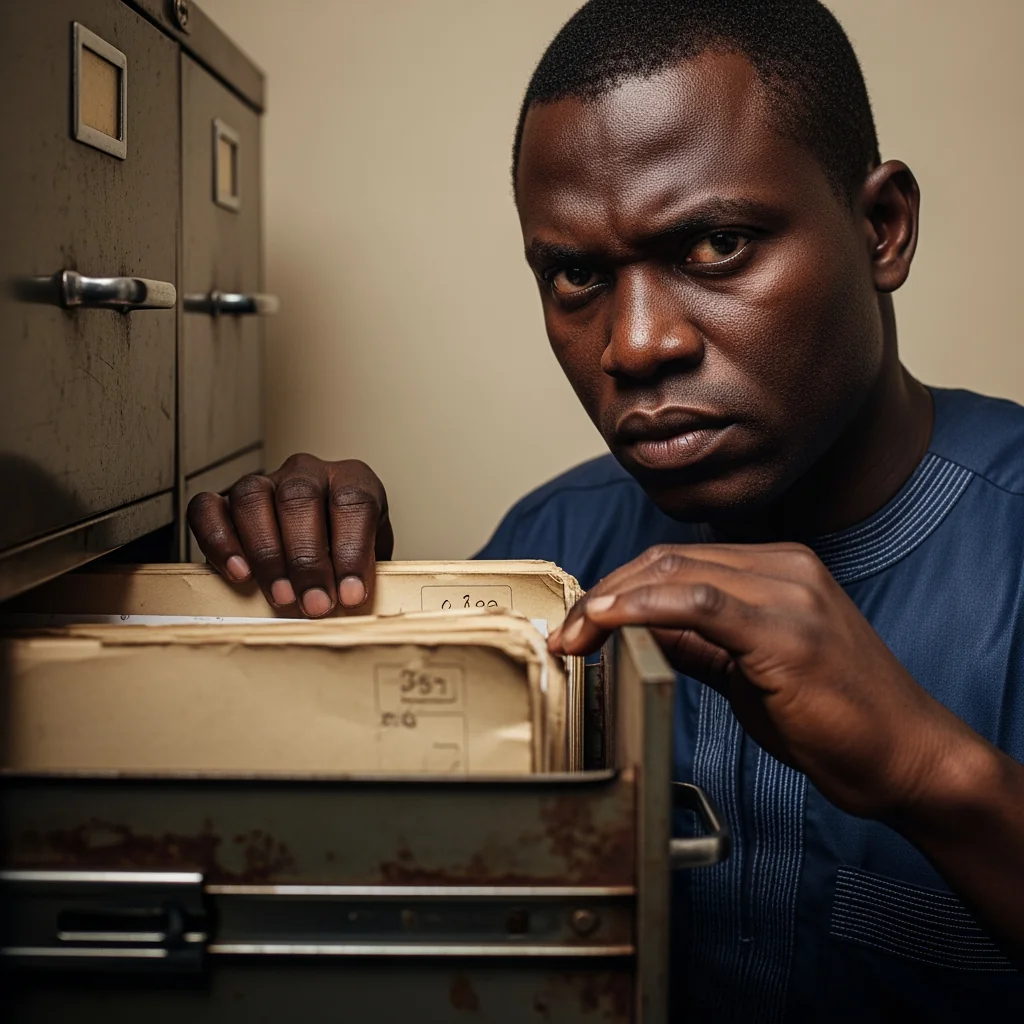
The Clerk Who Buried the Truth
A single file resting beneath a pile of folders holds the power to reshape the history of a whole community. The weight of a dusty drawer can crush the reputation of a whole institution. In the administrative offices across the federation, the paper trail defines the reality of the citizen. The silence in the records room speaks of stories waiting for a voice.
This silence often stems from the deliberate choice of The Clerk Who Buried the Truth within the dark corners of a metal cabinet. Paperwork in the administrative centers of Nigeria carries a weight that heavy machinery fails to match. A document is more than wood pulp and ink; it is a legal standing, a property right, or a pension fund. When a file disappears, the life of a citizen stalls.
Many individuals spend years chasing shadows because a specific page is missing. The reasoning behind these missing documents often escapes the casual observer. A retired teacher once said: “My file went missing the same week I applied for my pension. The clerk said he would look for it. Ten years later, he is still looking.”

The Silent Guardian of the Archive
Administrative officers hold a unique position of authority over the past and the future. The physical archive is a labyrinth where only the initiated can find the path. To the outsider, the stacks of paper look like chaos. To The Clerk Who Buried the Truth, the chaos is a tool of control.
By placing a folder at the bottom of a stack, a person can delay the course of justice for decades. This behavior is rarely about a simple mistake. It is often a calculated performance of administrative power. The clerk understands that information is the most valuable currency in the building.
A former clerk reflecting on the old ways admitted: “They paid us poorly. So we made the files work for us. A missing file meant a visitor with an envelope. That was the economy of the registry.”
A missing file can be a shield for a powerful individual or a trap for an enemy. The reputation of the office suffers while the drawer persists in holding its secrets. Chinua Achebe once wrote about the complexities of power and visibility:
“The sun will shine on those who stand before it shines on those who kneel under them.”
In the context of the archive, the sun only shines on the files the clerk chooses to retrieve. Those who wait in the lobby are at the mercy of the wooden drawer. The organization of the office reflects the internal state of the bureaucracy. A messy desk often signals a messy system of accountability. When a person requires a document, the speed of retrieval tells the whole story of the office integrity.
The Impact on Public Confidence
Public confidence in the state relies on the predictability of the record. If the record is subject to the whim of an individual, the foundation of the state weakens. Many people view the administrative office as a space of frustration rather than a space of service. This perception is the direct result of the activities of The Clerk Who Buried the Truth.
A single act of concealment ripples through the whole society. Consider the impact on land ownership or inheritance. When the original deed is absent from the file, a family loses its legacy. The cost of a missing paper is measured in legal fees and heartaches.
A widow seeking her husband’s property documents once cried: “The clerk said the file is not there. I saw it in his hand last week. Now it has vanished like water into sand.”
Public reputation is a fragile asset that requires constant protection. One hidden folder can destroy the work of a thousand honest officers. Transparency is a word often used, yet the practice is rare in the physical archive. The transition to a digital space offers a potential solution to this manual interference. In a digital system, the movement of a file leaves a trace. The ability of The Clerk Who Buried the Truth to hide a document is greatly reduced.
Digitization brings a level of clarity that the dusty drawer cannot provide.
The Restoration of Administrative Integrity
Restoring the reputation of the administrative office requires more than new computers. It requires a shift in the culture of the workforce. The clerk is a product of a system that rewards the gatekeeper. When the gatekeeper becomes a facilitator, the whole system improves. Integrity in the archive is the first step toward a functional government.
Many operators in the public sector are now pushing for better training. The objective is to make the retrieval of information a point of pride. A clerk who finds a file in minutes is a hero of the modern state. This change in perspective is essential for the progress of the nation. The drawer of the clerk must become a source of truth rather than a grave for it.
A senior administrator leading a digitization project said: “We are not just scanning papers. We are removing the power to hide. Every file will have a digital shadow. The clerk cannot bury what the whole system can see.”
The digital bridge now connects the citizen to the archive. A request that once required a bribe now requires only a login. This shift in access transforms the relationship between the people and their records.
Nnamdi Azikiwe spoke about the importance of mental shifts:
“Originality is the essence of true scholarship.”
Originality in administration means finding new ways to serve the public. It means rejecting the old habits of the dusty drawer. The progress of the administrative space depends on this mental expansion. When The Clerk Who Buried the Truth decides to become a clerk who reveals the truth, the nation breathes a sigh of relief. The power of the pen is restored to its rightful purpose.
The Digital Space as the Final Archive
The future of the record is no longer on paper. The digital space offers a permanent home for the history of the people. In this space, the file is safe from fire, flood, and the deliberate hand of the clerk. The transition is a massive task, yet the requirement is absolute. A nation without a reliable record is a nation without a memory.
Over 60 million documents are estimated to sit in government registries across Nigeria. Each one is vulnerable to the elements and to human interference. The expansion of digital infrastructure across the state is a priority for many leaders. This progress ensures that the truth is accessible to the whole population.
The days of The Clerk Who Buried the Truth are numbered as the digital light hits the archive. The dusty drawer is a relic of a time that is passing away. The new era is one of efficiency and accountability. In the end, the truth has a way of rising to the surface. No matter how deep the drawer or how thick the dust, the facts persist.
The reputation of the clerk and the office stands on the ability to produce the truth when the public demands it. Truth is the only foundation for a lasting administrative progress. Each folder returned to its place is a victory for the whole community. Each digitized record is a step toward a future where no truth stays buried.

Digital IDs Future National Security
A person without a digital identity in the modern era cannot be verified by the systems of the state. The physical world requires a digital record to provide safety and order for millions of people moving through the cities of Nigeria. Digital identification serves as the foundation of a modern nation where the old ways of paper and ink can be improved.

Identity allows the government to recognize each person in the population. The collection of biometrics creates a permanent record that survives the loss of a physical document. Digital IDs Future National Security depends on the ability of the state to distinguish a citizen from someone who cannot be verified.
A laminated card sometimes carries more authority than the person holding the card. The reality of national safety involves the consolidation of data points into a single, verifiable point of truth. A system that identifies a man in Kano with the same precision as a woman in Port Harcourt provides a way to identify unknown persons.
The Digital Wall Against Internal Threats
Security agencies find themselves in a race against entities that thrive on anonymity. The integration of the National Identification Number with mobile phone records has changed the method of tracking activities. National defense now happens on servers as much as it happens on the streets.
Law enforcement requires the ability to map connections between individuals and locations. The digital record provides information that physical surveillance often misses. Digital IDs Future National Security provides the method to analyze information and prevent disruptions before the disruptions manifest. Dr. Isa Ali Pantami, a former minister, highlighted the importance of this integration during his tenure in the communications sector.
“The integration of the NIN with the SIM is a vital tool in the fight against insecurity and the expansion of the digital economy of the nation.”
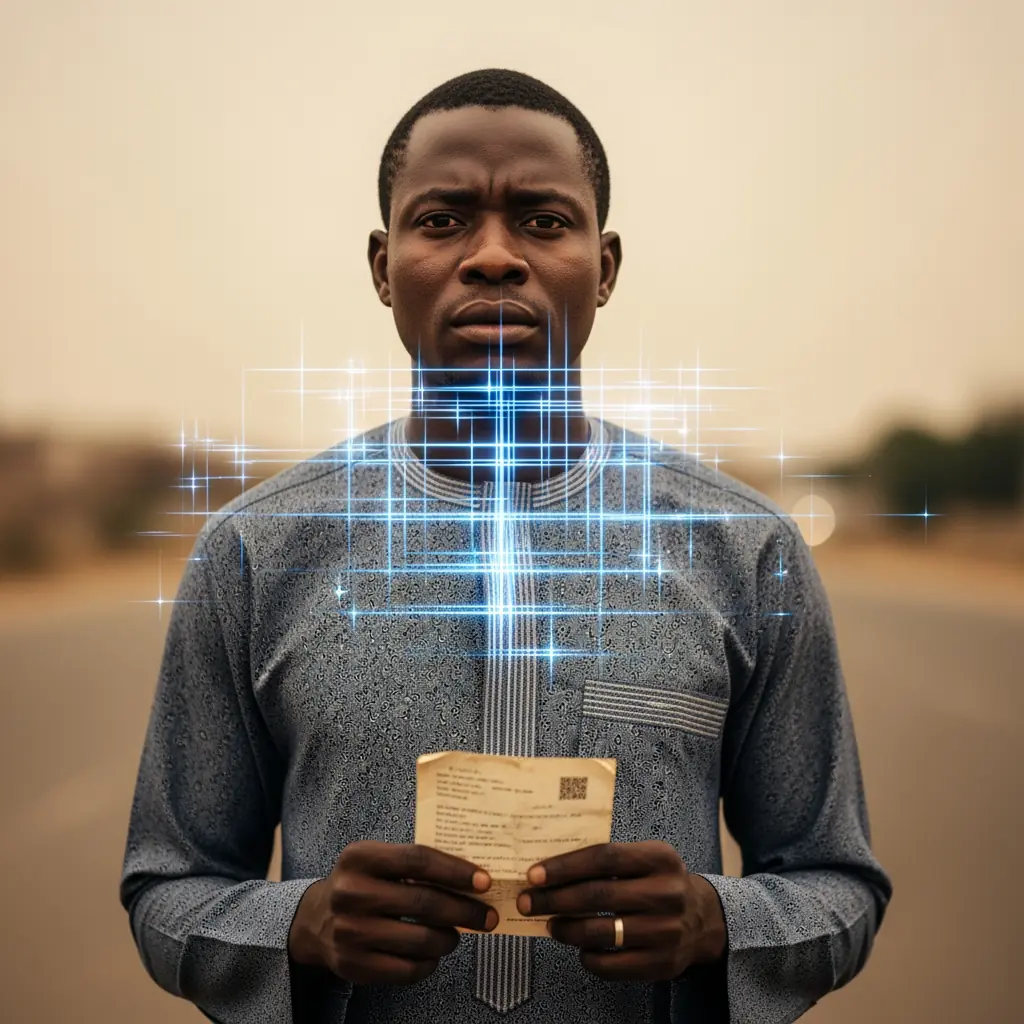
Data stored in separate locations creates gaps where the law cannot reach. The unification of the Bank Verification Number and the National Identity Database closes these gaps. Financial records that can be checked become a tool for tracking the flow of resources that fund instability.
Economic Stability as a Security Measure
Physical safety and economic health are connected. A person with a formal identity can access credit, open accounts, and participate in the formal economy. This inclusion reduces the number of individuals vulnerable to recruitment by criminal elements. Wealth creation in the digital space requires a foundation of users whose identities are confirmed.
The expansion of digital services provides a buffer against the poverty that often fuels civil unrest. Digital IDs Future National Security relies on the prosperity of the people as much as the power of the police. Many operators in the tech sector observe that a verified identity reduces the cost of doing business. Trust increases when the identity of the partner is a known fact.
Growth of markets thrives in an environment where the state can confirm the existence of its participants. Security in the modern age involves the protection of the digital assets of the nation. Cyber attacks target the identity data of the people to cause chaos. A system of identification that can withstand attacks protects the sovereignty of the nation from external digital interference.
The Path Toward Data Sovereignty
Control over national data is a matter of survival. The future requires that the storage and management of identity data stay within the borders of the country. This control of data within the country prevents foreign entities from controlling the national security data of Nigeria.
Biometric data provides a layer of protection that a password lacks. The uniqueness of a fingerprint or an iris scan ensures that the identity belongs to exactly one person. Digital IDs Future National Security will see the use of these methods in the daily lives of citizens. Nandan Nilekani, the architect of the identity system of India, has spoken about the power of digital foundations.
“A digital identity is the foundation for the inclusion of the citizens in the modern state and the delivery of services with certainty.”
Privacy persists as a topic of discussion among experienced individuals in the legal space. The balance between the security of the state and the rights of the individual requires constant attention. The law must evolve to protect the data that protects the nation.
The Result of a Connected Nation
The progress of the identity project will define the stability of the coming decade. A connected nation is a safer nation because the identity of the individual can be verified. The person without digital records becomes visible when their data is entered into the system.
National security involves the sharing of information across various sectors. The border control systems, the tax offices, and the health sectors must share data using the same standards. Digital IDs Future National Security will provide this common system for the bureaucracy of the state.
Confidence in the future expands when the foundation of the state is built on information that can be confirmed. The identity of the citizen provides the basis for the expansion of the national economy. Security is a factual reality that starts with knowing the name and the face of the people.
E-Governance
How Digital Records Stop Money Leakage in Government Offices
Learn how Digital Records Stop Money Leakage in public offices. Electronic systems end ghost workers and revenue theft for better financial expansion in Nigeria.

How Digital Records Stop Money Leakage in Government Offices
Paper files possess a unique ability to develop wings and fly away during a financial audit. This reality defines the traditional Nigerian civil service where the thick smell of damp archives and dust-covered registries often obscures the trail of public funds.
Manual systems invite human error while creating dark corners for small leakages to morph into massive holes in the budget. When a person relies on a physical ledger, the path of the money becomes a mystery rather than a fact. Digital Records Stop Money Leakage by creating a permanent trail that persists even when the lights go out at the Secretariat.
The Vanishing Act of the Brown Envelope

In many offices, the movement of a file depends on the schedule of the messenger leaning against the wall. Expecting a manual document to travel between departments without delay is like expecting a dry tap to suddenly bring cold water during a heatwave.
This friction creates the first layer of leakage where small fees are extracted at each desk. These minor payments bypass the official treasury and require systemic solutions.
The introduction of electronic filing ends this tradition of physical transit. Electronic systems ensure that documents move through the digital bridge with speed and precision. This method of operation reduces the physical contact between the citizen and the administrator.
When the human hand loses the power to delay a file, the opportunity to demand a bribe vanishes. Each transaction leaves a digital footprint that auditors can follow months or years later. Digital Records Stop Money Leakage because they replace the silence of a paper registry with the loud facts of a database.

Ghost Workers and the Digital Exorcism
Ghost workers haunt the payroll of many states like invisible spirits consuming the wealth of the nation. These names exist on paper but lack a physical body to collect the salary.
In a manual system, verifying the existence of thousands of employees creates a massive challenge. Physical headcounts often yield temporary results that fade once the auditors leave the building. The adoption of biometric data and electronic records changes this narrative.
Nigeria witnessed the power of this change through the Integrated Personnel and Payroll Information System (IPPIS). Former Finance Minister Dr. Ngozi Okonjo-Iweala documented the impact of this shift:
“We were able to eliminate about 50,000 ghost workers from the payroll, saving the government a lot of money in the process.”
This saving represents the yield of replacing paper lists with digital identities. When the system links a salary to a unique thumbprint, the invisible spirits flee. Digital Records Stop Money Leakage by ensuring that only living, breathing workers receive public funds.
This expansion of accountability protects the treasury from those who invent names for profit.
Procurement and the End of Paper Fog
Government procurement often resembles a game of hide and seek played in a thick fog. Bidding documents arrive in heavy envelopes, and the selection process happens behind closed doors.
This lack of openness allows for the inflation of contracts and the diversion of funds. Paper records make it easy to backdate a document or swap a bid after the deadline. Electronic procurement portals remove this fog by making the entire process visible to those with the right access.
When a system records the exact second a bid arrives, the possibility of tampering disappears. The progress of technology allows for real-time tracking of how the government awards contracts. This level of visibility creates a deterrent for those who seek to manipulate the system.
Digital Records Stop Money Leakage by shining a light on the exchange of public wealth. The digital bridge connects the street to the office, ensuring that the public sees the value they receive for their taxes.
Revenue Collection Without the Middleman
Collecting revenue in cash is an invitation for the money to take a detour. In the past, citizens paid for licenses and permits at small windows where the officer issued a paper receipt.
Some of these receipts came from booklets that the official treasury never saw. This leakage of funds happens before the money even enters the government account. Electronic payment systems solve this problem by directing funds straight to the central bank.
Automated systems provide a direct link between the payer and the state. When a person pays for a driver license through a web space, the transaction generates an instant alert. The activity of the treasury becomes more accurate because the data arrives before the human can touch it.
Digital Records Stop Money Leakage by removing the middleman who might feel tempted to borrow from the collection box. This yield of integrity ensures that the state has the resources to build roads and maintain schools.
The End of Guesswork in Public Spending
Manual records force leaders to make decisions based on guesses and old data. By the time a report on spending reaches the Governor, the information is often three months old. This delay hides problems until they become too large to fix.
Digital Records Stop Money Leakage by providing live updates on the financial health of the state. When an administrator can see the balance of each account at a glance, waste becomes visible immediately.
This new reality of management creates a culture of caution among those who handle public funds. Knowing that the system records each kobo spent encourages more careful behavior. The expansion of oversight means that auditors can perform their duties without waiting for physical files to arrive.
The digital bridge ensures that the office remains connected to the reality of the bank account. This transformation represents the most reliable path toward a government that serves the people with honor.
E-Governance
How Digital Maps Help Police Find Crime Spots
Discover the way Digital Maps Help Police identify hotspots and improve response times using modern data visualization and predictive mapping technology.
How Digital Maps Help Police Find Crime Spots
Information dictates the safety of a neighborhood before the first siren sounds. The era of the dusty ledger and the manual file has transitioned into new methods beyond the basement registry.
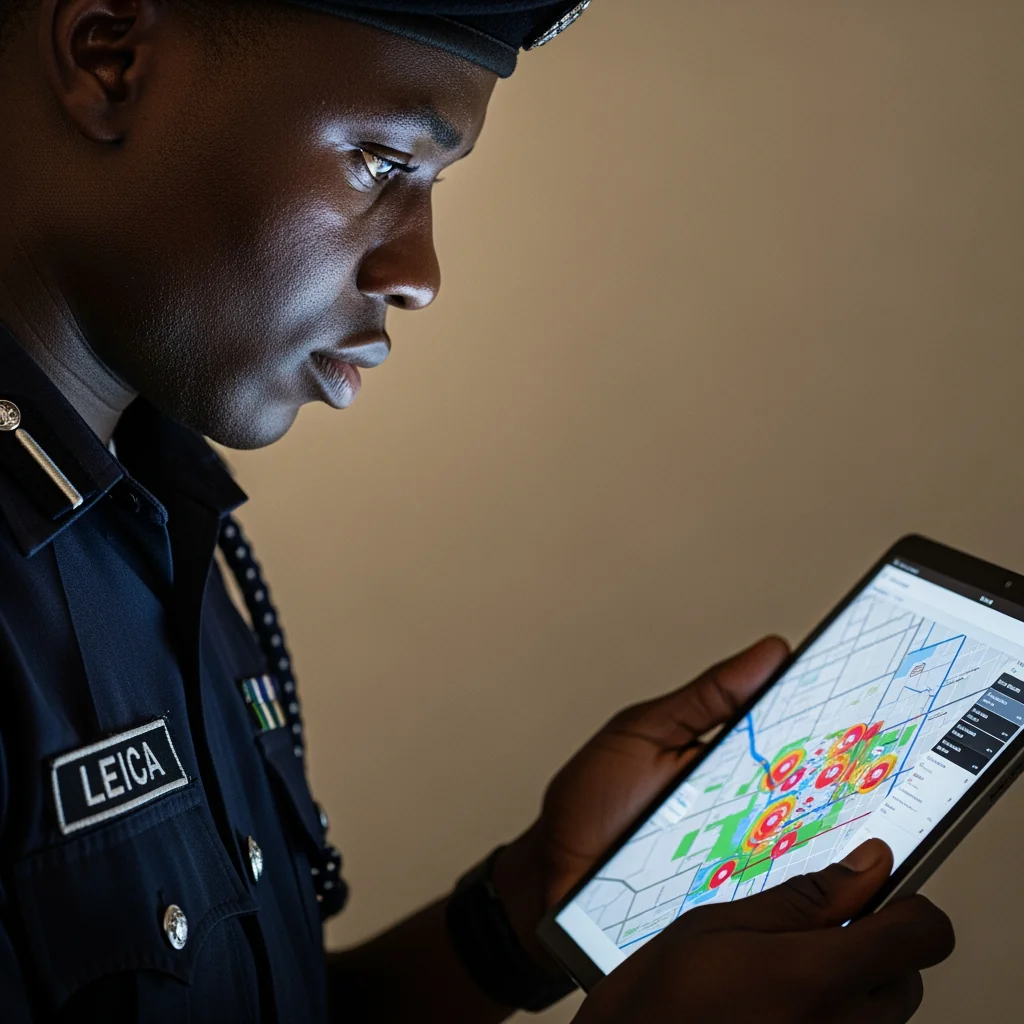
Today, Digital Maps Help Police by transforming raw data into a visual guide for tactical deployment. This change represents a major shift in how security is managed across the federation.
The traditional method of marking a paper map with a red pen has given way to dynamic screens. Each incident recorded becomes a coordinate that tells a story of the street.
The Old Ledger and the Visual Screen

In the past, the sound of rain hitting a rusted zinc roof often meant that patrol reports would be delayed by damp paper. A messenger leaning against a wall while waiting for a signature was a familiar sight in the Secretariat.
Now, the speed of data transmission has enhanced the traditional walk of the file carrier. When Digital Maps Help Police, they provide a bird’s eye view of the city that no single observer could possess.
This visual layer allows the command center to identify where incidents cluster with absolute precision. Reasoning replaces guesswork when the screen shows exactly where resources should go.
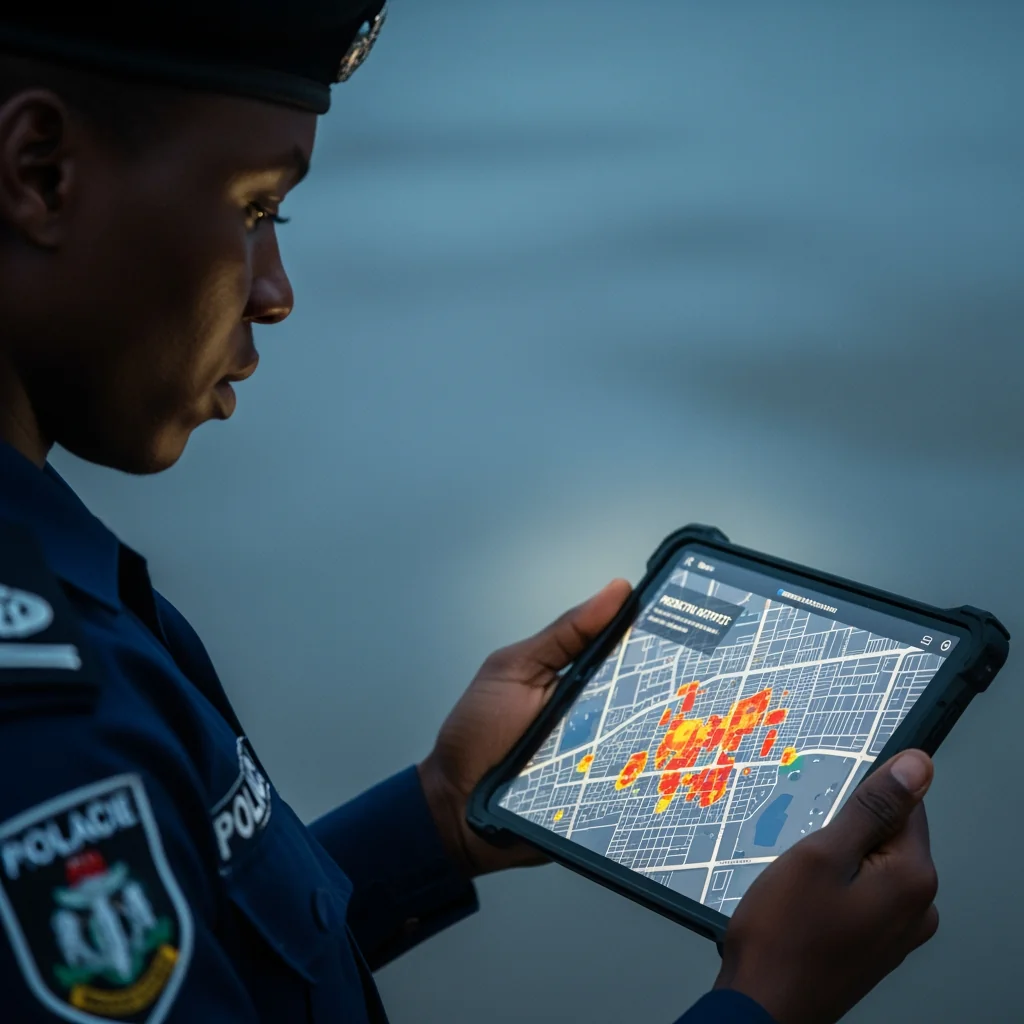
Expansion of security coverage is possible because the software tracks the history of each location. Statistics show that departments utilizing Geographic Information Systems (GIS) have seen response times drop by as much as twenty percent.
The total volume of data processed ensures that patterns emerge from the chaos. Expecting a manual file to move during a public holiday has always been a limitation of physical systems.
The digital bridge connects the street and the office by ensuring that field reports are visible in real time. This connection allows for a more responsive and agile force.
Patterns in the Rain: Predictive Power
Modern security relies on the ability to anticipate where an event might occur. Since Digital Maps Help Police, the focus has shifted from reacting to incidents to preventing them before they happen.
By analyzing the time and space of previous crimes, the system identifies hotspots with high accuracy. This methodology uses historical data to project future risks.
A particular neighborhood might show a spike in activity during certain hours. The organization of patrols can then be adjusted to provide a presence exactly when it is needed.
“The police are the public and the public are the police; the police being only members of the public who are paid to give full-time attention to duties which are incumbent on every citizen in the interests of community welfare and existence.” — Sir Robert Peel
Precision in deployment ensures that the power of the force is used where it yields the most progress. The heavy smell of old paper in a basement registry is a memory for many modern officers.
They now rely on tablets and dashboards that update as fast as the internet allows. This digital bridge provides a moderate and effective solution to the challenge of resource allocation.
Regardless of the size of the city, the software handles the complexity of the grid. Each data point acts as a beacon for the next tactical decision.
The Yield of Precision and Community Trust
Transparency in operations builds a foundation of trust between the force and the people. When Digital Maps Help Police, the data can be shared with community leaders to explain why certain areas receive more attention.
This open communication ensures that the public understands the reasoning behind patrol patterns. The visual nature of the data makes it easy for individuals to see the progress being made.
In a world where information is often hidden, the map provides a visible record of activity. The total transparency offered by these tools facilitates a better relationship with the neighborhood.
Security expansion is a continuous process that relies on the quality of information. A messenger may still lean against a wall in some offices, but the data has already moved past him.
The expansion of these digital tools across the federation is a sign of progress. By focusing on the yield of each patrol, the system ensures that the safety of the public persists.
The use of technology is a testament to the desire for a safer and more organized society. As long as Digital Maps Help Police, the street will always have a connection to the office.
Modern Tools for a Safer Space
Professional advisors recognize that the organization of data is the most important asset of a modern force. The internet space provides a platform for these maps to exist and function.
Each officer who uses these tools contributes to the collective intelligence of the entire system. The yield of this technology is found in the lives protected and the peace maintained.
Security is a requirement for the expansion of business and social activity. With the right tools, the force can provide the safety that the public demands.
The transition to digital systems represents progress in efficiency and precision. The traditional ways of the Secretariat are being enhanced as the new digital bridge grows stronger.
Digital Maps Help Police find crime spots by making the invisible patterns of the city visible to the naked eye. This evolution ensures that the future of security is guided by facts and data.
The street is no longer a mystery when it is viewed through the lens of a digital map. Peace exists where information and action meet.

Digital IDs and the Future of National Security

The Market Fire and the Silent Alarm That Failed Us

The Clerk Who Buried the Truth in a Dusty Drawer

The Scholarship That Never Left Asaba for the Youth

A Road That Exists Only on Paper and Not in the Soil

When the Transformer Blew in July and the Town Cried

The Civil Servant with Ten Names and One Salary

How Flood Water in the Governor’s Inbox Changed Policy

The Missing File of the Widow’s Land and the New Law

The Contractor and the Half-Built Bridge of Sighs

Hunting Ghost Workers in the Primary School

How Digital Records Stop Money Leakage in Government Offices

Internet Sovereignty: Why Some Countries Want Their Own Separate Internet

How One Misplaced Dot Broke a Bank Login Page

The Untold Story Of The Nigerian Who Helped Build Global Internet Systems

Nigerian Hackers: The Global Fraud Story and Its Fallout

Forgotten Satellites Defy Silence, Beaming Signals for Decades

Implement Local SEO Fixes for Lagos: Beat Google Maps Competitors

Core Web Vitals Checklist: How to Achieve a Near-Perfect Score on Mobile Devices

The “Village People” Aren’t Blocking Your Sales; Your Bad SEO Is.

The 1-Star Review That Almost Bankrupted a Bakery

Why Your Competitor is Stealing Your Clients While You Sleep

The Business That Died because the Owner Refused to “Go Beyond.”

Why Are You Hiding Your Business From People With Money?
 Edutech Portal2 weeks ago
Internet Sovereignty: Why Some Countries Want Their Own Separate Internet
- Digital Hustle2 weeks ago
How One Misplaced Dot Broke a Bank Login Page
- Edutech Portal2 weeks ago
The Untold Story Of The Nigerian Who Helped Build Global Internet Systems
- Edutech Portal2 weeks ago
Nigerian Hackers: The Global Fraud Story and Its Fallout
- Edutech Portal2 weeks ago
Forgotten Satellites Defy Silence, Beaming Signals for Decades
- Edutech Portal2 weeks ago
Implement Local SEO Fixes for Lagos: Beat Google Maps Competitors
- Edutech Portal2 weeks ago
Core Web Vitals Checklist: How to Achieve a Near-Perfect Score on Mobile Devices
- Edutech Portal2 weeks ago
The “Village People” Aren’t Blocking Your Sales; Your Bad SEO Is.