E-Governance
How Digital Records Stop Money Leakage in Government Offices
Learn how Digital Records Stop Money Leakage in public offices. Electronic systems end ghost workers and revenue theft for better financial expansion in Nigeria.


How Digital Records Stop Money Leakage in Government Offices
Paper files possess a unique ability to develop wings and fly away during a financial audit. This reality defines the traditional Nigerian civil service where the thick smell of damp archives and dust-covered registries often obscures the trail of public funds.
Manual systems invite human error while creating dark corners for small leakages to morph into massive holes in the budget. When a person relies on a physical ledger, the path of the money becomes a mystery rather than a fact. Digital Records Stop Money Leakage by creating a permanent trail that persists even when the lights go out at the Secretariat.
The Vanishing Act of the Brown Envelope

In many offices, the movement of a file depends on the schedule of the messenger leaning against the wall. Expecting a manual document to travel between departments without delay is like expecting a dry tap to suddenly bring cold water during a heatwave.
This friction creates the first layer of leakage where small fees are extracted at each desk. These minor payments bypass the official treasury and require systemic solutions.
The introduction of electronic filing ends this tradition of physical transit. Electronic systems ensure that documents move through the digital bridge with speed and precision. This method of operation reduces the physical contact between the citizen and the administrator.
When the human hand loses the power to delay a file, the opportunity to demand a bribe vanishes. Each transaction leaves a digital footprint that auditors can follow months or years later. Digital Records Stop Money Leakage because they replace the silence of a paper registry with the loud facts of a database.

Ghost Workers and the Digital Exorcism
Ghost workers haunt the payroll of many states like invisible spirits consuming the wealth of the nation. These names exist on paper but lack a physical body to collect the salary.
In a manual system, verifying the existence of thousands of employees creates a massive challenge. Physical headcounts often yield temporary results that fade once the auditors leave the building. The adoption of biometric data and electronic records changes this narrative.
Nigeria witnessed the power of this change through the Integrated Personnel and Payroll Information System (IPPIS). Former Finance Minister Dr. Ngozi Okonjo-Iweala documented the impact of this shift:
“We were able to eliminate about 50,000 ghost workers from the payroll, saving the government a lot of money in the process.”
This saving represents the yield of replacing paper lists with digital identities. When the system links a salary to a unique thumbprint, the invisible spirits flee. Digital Records Stop Money Leakage by ensuring that only living, breathing workers receive public funds.
This expansion of accountability protects the treasury from those who invent names for profit.
Procurement and the End of Paper Fog
Government procurement often resembles a game of hide and seek played in a thick fog. Bidding documents arrive in heavy envelopes, and the selection process happens behind closed doors.
This lack of openness allows for the inflation of contracts and the diversion of funds. Paper records make it easy to backdate a document or swap a bid after the deadline. Electronic procurement portals remove this fog by making the entire process visible to those with the right access.
When a system records the exact second a bid arrives, the possibility of tampering disappears. The progress of technology allows for real-time tracking of how the government awards contracts. This level of visibility creates a deterrent for those who seek to manipulate the system.
Digital Records Stop Money Leakage by shining a light on the exchange of public wealth. The digital bridge connects the street to the office, ensuring that the public sees the value they receive for their taxes.
Revenue Collection Without the Middleman
Collecting revenue in cash is an invitation for the money to take a detour. In the past, citizens paid for licenses and permits at small windows where the officer issued a paper receipt.
Some of these receipts came from booklets that the official treasury never saw. This leakage of funds happens before the money even enters the government account. Electronic payment systems solve this problem by directing funds straight to the central bank.
Automated systems provide a direct link between the payer and the state. When a person pays for a driver license through a web space, the transaction generates an instant alert. The activity of the treasury becomes more accurate because the data arrives before the human can touch it.
Digital Records Stop Money Leakage by removing the middleman who might feel tempted to borrow from the collection box. This yield of integrity ensures that the state has the resources to build roads and maintain schools.
The End of Guesswork in Public Spending
Manual records force leaders to make decisions based on guesses and old data. By the time a report on spending reaches the Governor, the information is often three months old. This delay hides problems until they become too large to fix.
Digital Records Stop Money Leakage by providing live updates on the financial health of the state. When an administrator can see the balance of each account at a glance, waste becomes visible immediately.
This new reality of management creates a culture of caution among those who handle public funds. Knowing that the system records each kobo spent encourages more careful behavior. The expansion of oversight means that auditors can perform their duties without waiting for physical files to arrive.
The digital bridge ensures that the office remains connected to the reality of the bank account. This transformation represents the most reliable path toward a government that serves the people with honor.



E-Governance
How Digital Maps Help Police Find Crime Spots
Discover the way Digital Maps Help Police identify hotspots and improve response times using modern data visualization and predictive mapping technology.
How Digital Maps Help Police Find Crime Spots
Information dictates the safety of a neighborhood before the first siren sounds. The era of the dusty ledger and the manual file has transitioned into new methods beyond the basement registry.
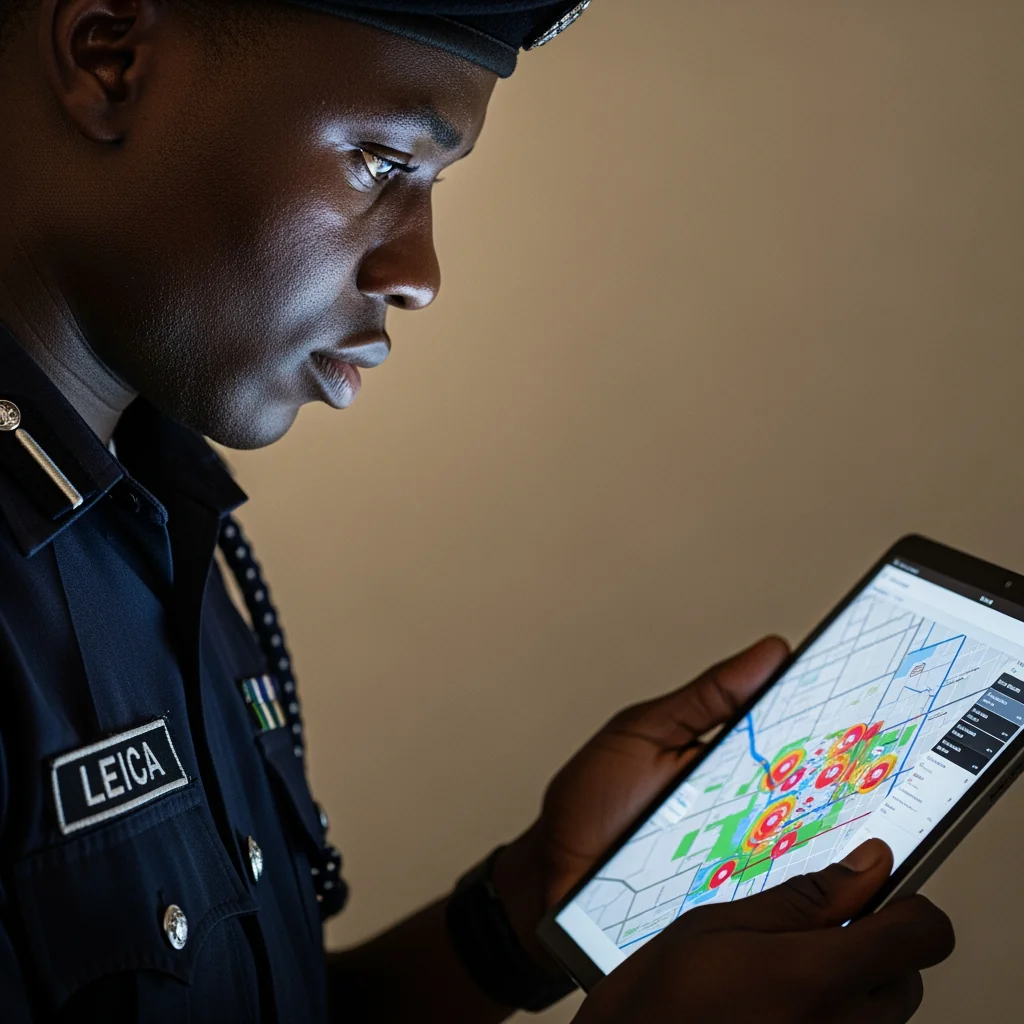
Today, Digital Maps Help Police by transforming raw data into a visual guide for tactical deployment. This change represents a major shift in how security is managed across the federation.
The traditional method of marking a paper map with a red pen has given way to dynamic screens. Each incident recorded becomes a coordinate that tells a story of the street.
The Old Ledger and the Visual Screen

In the past, the sound of rain hitting a rusted zinc roof often meant that patrol reports would be delayed by damp paper. A messenger leaning against a wall while waiting for a signature was a familiar sight in the Secretariat.
Now, the speed of data transmission has enhanced the traditional walk of the file carrier. When Digital Maps Help Police, they provide a bird’s eye view of the city that no single observer could possess.
This visual layer allows the command center to identify where incidents cluster with absolute precision. Reasoning replaces guesswork when the screen shows exactly where resources should go.
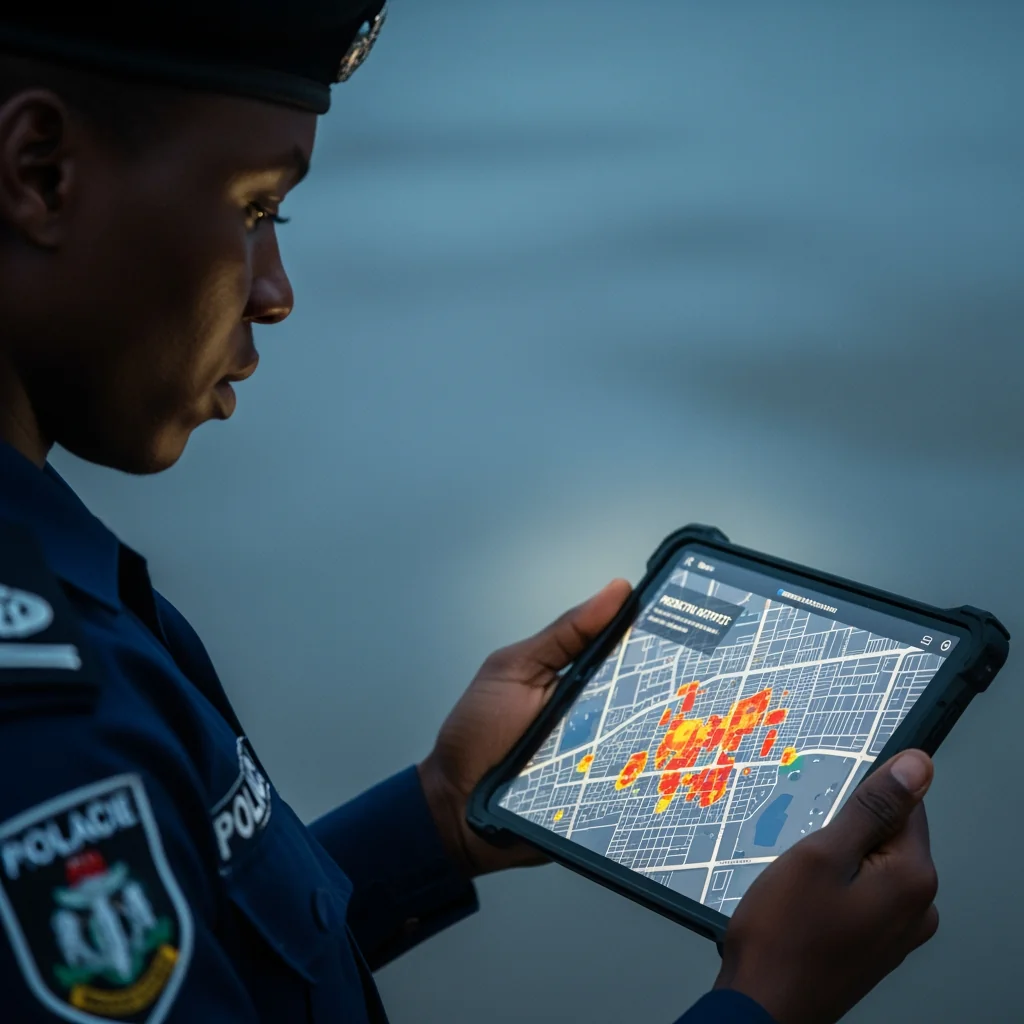
Expansion of security coverage is possible because the software tracks the history of each location. Statistics show that departments utilizing Geographic Information Systems (GIS) have seen response times drop by as much as twenty percent.
The total volume of data processed ensures that patterns emerge from the chaos. Expecting a manual file to move during a public holiday has always been a limitation of physical systems.
The digital bridge connects the street and the office by ensuring that field reports are visible in real time. This connection allows for a more responsive and agile force.
Patterns in the Rain: Predictive Power
Modern security relies on the ability to anticipate where an event might occur. Since Digital Maps Help Police, the focus has shifted from reacting to incidents to preventing them before they happen.
By analyzing the time and space of previous crimes, the system identifies hotspots with high accuracy. This methodology uses historical data to project future risks.
A particular neighborhood might show a spike in activity during certain hours. The organization of patrols can then be adjusted to provide a presence exactly when it is needed.
“The police are the public and the public are the police; the police being only members of the public who are paid to give full-time attention to duties which are incumbent on every citizen in the interests of community welfare and existence.” — Sir Robert Peel
Precision in deployment ensures that the power of the force is used where it yields the most progress. The heavy smell of old paper in a basement registry is a memory for many modern officers.
They now rely on tablets and dashboards that update as fast as the internet allows. This digital bridge provides a moderate and effective solution to the challenge of resource allocation.
Regardless of the size of the city, the software handles the complexity of the grid. Each data point acts as a beacon for the next tactical decision.
The Yield of Precision and Community Trust
Transparency in operations builds a foundation of trust between the force and the people. When Digital Maps Help Police, the data can be shared with community leaders to explain why certain areas receive more attention.
This open communication ensures that the public understands the reasoning behind patrol patterns. The visual nature of the data makes it easy for individuals to see the progress being made.
In a world where information is often hidden, the map provides a visible record of activity. The total transparency offered by these tools facilitates a better relationship with the neighborhood.
Security expansion is a continuous process that relies on the quality of information. A messenger may still lean against a wall in some offices, but the data has already moved past him.
The expansion of these digital tools across the federation is a sign of progress. By focusing on the yield of each patrol, the system ensures that the safety of the public persists.
The use of technology is a testament to the desire for a safer and more organized society. As long as Digital Maps Help Police, the street will always have a connection to the office.
Modern Tools for a Safer Space
Professional advisors recognize that the organization of data is the most important asset of a modern force. The internet space provides a platform for these maps to exist and function.
Each officer who uses these tools contributes to the collective intelligence of the entire system. The yield of this technology is found in the lives protected and the peace maintained.
Security is a requirement for the expansion of business and social activity. With the right tools, the force can provide the safety that the public demands.
The transition to digital systems represents progress in efficiency and precision. The traditional ways of the Secretariat are being enhanced as the new digital bridge grows stronger.
Digital Maps Help Police find crime spots by making the invisible patterns of the city visible to the naked eye. This evolution ensures that the future of security is guided by facts and data.
The street is no longer a mystery when it is viewed through the lens of a digital map. Peace exists where information and action meet.
E-Governance
The Paper Mountain and the Heavy Cost of Manual Filing
The weight of paper in the Secretariat is a physical burden. Explore how electronic document management for state ministries offers a digital bridge to efficiency.

The Paper Mountain and the Opportunity for Digital Evolution
A file in a Nigerian registry follows a path through an established system: it leaves the desk of the clerk and proceeds toward the table of the Director according to long-standing protocols.
The weight of the paper in the Secretariat is a physical reality that has defined the pulse of government for generations. Heavy brown folders tied with twine sit in unending rows on metal shelves that hold decades of records within their structure.
Dust settles on the covers of these documents as time passes, a natural consequence of any archive. Each minute spent searching for a single record is part of the traditional workflow that has delivered services to citizens over the years. The citizens who wait in the corridors understand that thorough processes take time.
Expecting a manual file to move during a public holiday has always been a limitation of physical systems. The system relies on the presence of dedicated personnel to move physical objects. When the person is absent, the work resumes upon their return.
The financial aspect of manual filing represents an area for potential optimization within the treasury.
Purchasing reams of paper and thousands of folders has been a necessary part of the ministry’s operations. These expenses are part of traditional administration that can now be reviewed alongside digital alternatives.
Storage space in the Secretariat is a valuable resource that currently houses the historical records of the state. Large rooms that could serve multiple purposes are dedicated to preserving paper documents. The scent of archives is the familiar atmosphere of a working registry.
Dr. Ngozi Okonjo-Iweala once observed:
“The cost of a slow bureaucracy is a tax on the poor and a bribe for the rich.”
This observation highlights the importance of efficiency in public service. The state can enhance revenue collection by ensuring that the records of taxpayers are organized within the registry where they are preserved. Accessing these records is part of the daily work of dedicated civil servants.

The implementation of electronic document management
It connects the office to the street by allowing information to flow alongside traditional physical movement. This digital bridge is the modern enhancement for a state that seeks to optimize its operations.
Digital files reside in a space where search results appear in seconds, complementing the existing archive. A Director can access the history of a project with a single click while the paper file remains preserved in the registry. The transparency of this system supports the culture of accountability that strengthens the civil service.
The reasoning behind this shift is clear and practical. Paper is traditional while data provides additional durability. A digital system ensures that the records of the people have backup copies preserved in multiple locations.
The sound of rain hitting a rusted zinc roof is a familiar part of the Nigerian experience. In a digital environment, the work continues alongside the weather. The efficiency of the staff is enhanced as the pathways to information are multiplied.
Security is a priority for the administrators of the state.
Manual files have always required careful handling and oversight. A person could potentially alter a document, but the professional standards of the service guard against such acts. The manual system has served the integrity of the government through established procedures.
A digital system adds another layer of security by tracking the activity of each user who accesses a document. It records the time of access and the nature of any changes. This enhanced accountability complements the existing registry where folders are managed by dedicated personnel.
Sanusi Lamido Sanusi once remarked:
“Transparency is the only way to ensure that the resources of the state are used for the benefit of the people.”
The expansion of electronic document management for state ministries supports this transparency. It adds visibility to the filing cabinet and provides the assurance of the digital archive alongside physical records. The state becomes more agile while maintaining its traditional strengths.
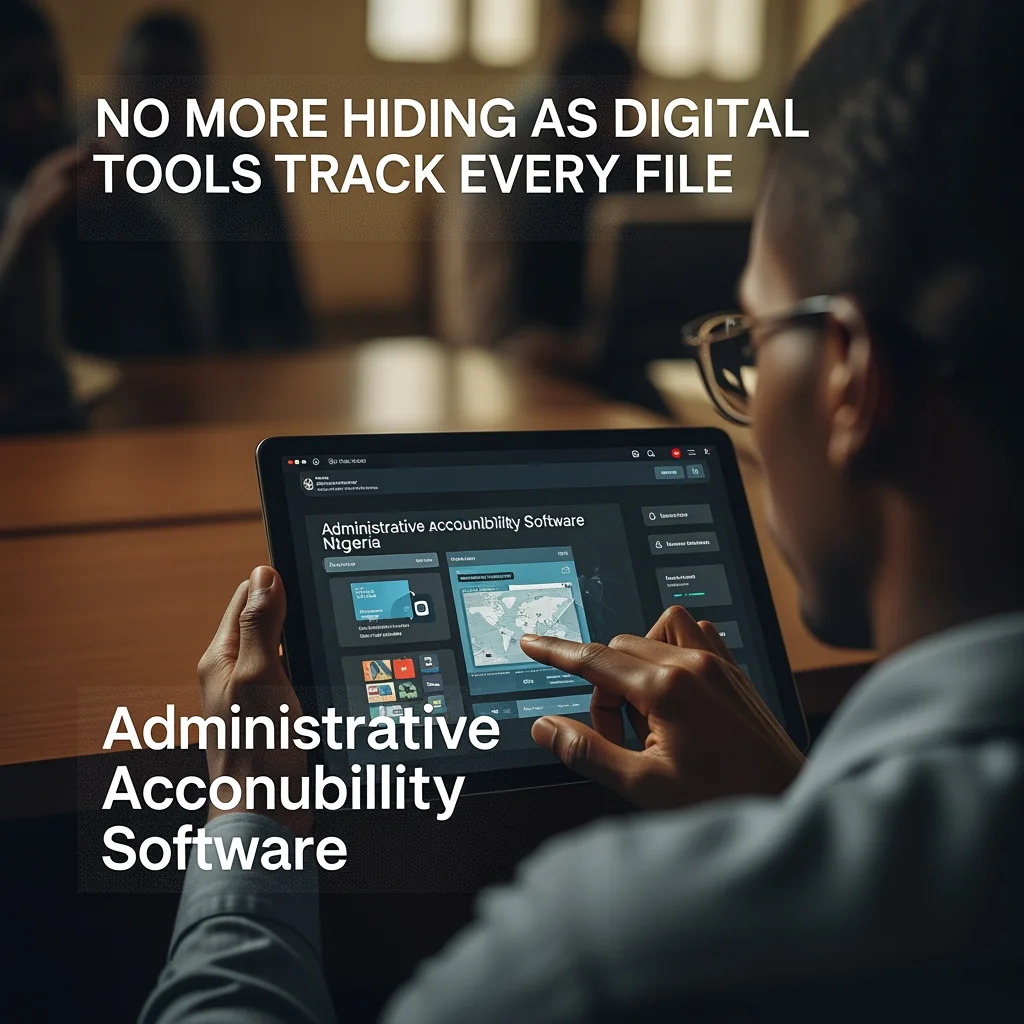
A new level of focus: The digital era enhances personal accountability for every file.
The transition to the digital bridge is an opportunity for the evolution of the civil service.
The volume of paper generated by a modern state can be managed through a combination of traditional and digital systems. The existing systems continue to function while new capabilities are added through thoughtful implementation.
The yield of a digital transformation is visible in the enhanced speed of service delivery. A citizen who requires a permit or a license receives it through streamlined processes. The experience of the public improves as the efficiency of the ministry rises.
The cost of the initial investment in technology is balanced against the long-term benefits of optimized operations. The state gains efficiency in stationery and storage while enhancing the productivity of the workforce. This is the path to a modern Secretariat that serves the people with distinction.
The era of the dusty file and the physical folder continues alongside new digital tools. The adoption of electronic document management for state ministries ensures that the history of the state is protected in multiple formats. The digital bridge is ready for the administrators who are prepared to embrace innovation.
The future of the state embraces both tradition and technology. The paper mountain and the digital archive can coexist as complementary resources. Each step toward the digital registry is a step toward a more efficient and organized government. The time to integrate new tools alongside the brown folder is now.
E-Governance
The Leaking Bucket where State Revenue Often Vanishes
Discover how preventing revenue leakage in state government transforms public finance. Our analysis explores the digital bridge for fiscal expansion.

A government bank account without digital monitoring faces the same risk as a basket left under a heavy rain: much enters, but little resides for the morning. Public funds can sometimes diminish before they reach the treasury. The quiet corridors of the Secretariat occasionally witness the sound of money escaping through manual receipt books and unmonitored cash points. Preventing revenue leakage in state government demands a system where human contact with cash resides in the past.
Manual records have occasionally shown a tendency to become difficult to locate just before audit season begins. The paper trail in some ministries can develop gaps over time. Expecting a manual file to move during a public holiday is like expecting a dry tap to suddenly bring cold water. This reliance on physical paper creates a space where accountability can be strengthened.

The Opportunity to Protect Public Funds
Revenue officers have traditionally carried paper receipts as part of established procedure. These documents represent a point in the fiscal framework where modern tools can provide support. A single misplaced book highlights the need for digital backup. The messenger leaning against the wall understands the limitation: paper is slow, and slow systems create opportunities for error.
Each kobo that fails to enter the treasury represents a potential hospital bed that may be delayed. The sound of rain hitting a rusted zinc roof so loud you fail to hear your own thoughts mirrors the complexity of uncoordinated tax collection. Without a unified system, different departments may approach the same taxpayers while the actual yield remains below potential.
Dr. Ngozi Okonjo-Iweala once observed a heavy truth regarding the finances of the nation:
“Leakages in the system represent the biggest challenge to fiscal stability and the ability of the state to serve the people.”
This observation highlights the requirement for a technological intervention. Preventing revenue leakage in state government requires the reduction of intermediaries who handle physical currency. When cash touches a hand before it touches a bank account, the risk of diversion increases.
Building the digital bridge for Fiscal Expansion
We provide the digital bridge to connect the street where taxes are paid to the office where they are recorded. This connection ensures that the moment a citizen pays for a license, the treasury records the activity. No person can alter the record once it enters the database.
This strategy relies on automation to complement the existing systems. Modern administration moves at the speed of light, while manual processes move at the speed of a tired clerk. By adopting electronic portals, the state ensures that the total sum of collected funds reaches its destination.

Electronic validation replaces the physical presence of a signatory.
Digital systems create a permanent record of each transaction. If a payment occurs at a remote outpost, the headquarters sees it immediately. This visibility discourages the temptation to under-report collections. The state gains the ability to plan for expansion because the data is reliable.
The Reality of Direct Collection
Direct bank transfers and point-of-sale terminals change the nature of public service. A citizen who pays via a mobile app receives an instant receipt. This receipt is the shield of the citizen against harassment. It is also the guarantee of the state that the funds are secure.
Some operators may prefer the old way because shadows can provide comfort for inefficiency. However, the requirement for progress outweighs the comfort of the few. Preventing revenue leakage in state government is about the survival of the collective. When the bucket is whole, the water serves the entire community.
Professional advisors understand that technology is the only neutral referee in the game of finance. The digital bridge removes the bias of the collector. It ensures that the rules apply to a specific individual and the general public with equal force. This fairness encourages voluntary compliance among taxpayers.
Data as the New Currency of Governance
In the Space of the internet, information flows without the restrictions of physical distance. A Governor can view the revenue report on a phone while traveling between cities. This level of oversight was difficult to achieve in the era of leather-bound ledgers.
Expansion of the tax base happens more easily when people trust the system. If a person sees that their payment leads to a new road, they pay with less resistance. Transparency resides in the ability to track each naira from the point of entry to the point of expenditure.
As the late Chief Obafemi Awolowo once suggested regarding the management of public resources:
“The first duty of a government is to ensure that the resources of the people are managed with the highest level of integrity and care.”
Maintaining this integrity requires the adoption of modern methods. Preventing revenue leakage in state government is a moral obligation as much as a financial one. It protects the future of the state for the generations to come.
The Path to Sustainable Yield
Realizing a high yield from internal revenue requires a focus on the user experience of the taxpayer. If the process of paying a tax is difficult, people avoid it. If the process is as simple as sending a text message, compliance rises.
Our role is to provide the framework that makes this simplicity possible. We eliminate the bottlenecks that slow down the movement of money. The result is a treasury that grows heavy with the contributions of a satisfied populace.
In conclusion, the leaking bucket of state finance can be mended. It requires the courage to embrace efficient code alongside familiar paper. Preventing revenue leakage in state government ensures that the wealth of the land serves the needs of the children of the land. When the digital bridge is in place, the path to prosperity is wide and secure.

The Pensioner Who Slept at the Gate for a Year

How Digital Records Stop Money Leakage in Government Offices

Using Cameras to Watch Big Markets and Busy Roads

How Digital Maps Help Police Find Crime Spots

Protecting State Secrets from Internet Thieves

The Use of NIN to Trace Phone Calls and Messages

The Governor Listens with Digital Feedback for Peace

Broken Pipe Report Fixing Streets via Phone Photos

Town Hall in Your Palm Ending the Gatekeeper Era

The Paper Mountain and the Heavy Cost of Manual Filing

The Leaking Bucket where State Revenue Often Vanishes

The Speed of Light for Ending Administrative Delays Now

Internet Sovereignty: Why Some Countries Want Their Own Separate Internet

The Smallest Change That Will Affect All Digital Operations

How One Misplaced Dot Broke a Bank Login Page

The Untold Story Of The Nigerian Who Helped Build Global Internet Systems

Nigerian Hackers: The Global Fraud Story and Its Fallout

Forgotten Satellites Defy Silence, Beaming Signals for Decades

Do Not Allow Your Digital Store to Shut Down:

Implement Local SEO Fixes for Lagos: Beat Google Maps Competitors

Core Web Vitals Checklist: How to Achieve a Near-Perfect Score on Mobile Devices

Nigeria Enter One Chance? Insecurity and Sachet Economy in 2026

The “Village People” Aren’t Blocking Your Sales; Your Bad SEO Is.

The N5 Million Mistake: Why You Should Never Save Client Data in a Notebook
 Edutech Portal1 week ago
Internet Sovereignty: Why Some Countries Want Their Own Separate Internet
- Edutech Portal1 week ago
The Smallest Change That Will Affect All Digital Operations
- Digital Hustle1 week ago
How One Misplaced Dot Broke a Bank Login Page
- Edutech Portal1 week ago
The Untold Story Of The Nigerian Who Helped Build Global Internet Systems
- Edutech Portal1 week ago
Nigerian Hackers: The Global Fraud Story and Its Fallout
- Edutech Portal1 week ago
Forgotten Satellites Defy Silence, Beaming Signals for Decades
- Edutech Portal1 week ago
Do Not Allow Your Digital Store to Shut Down:
- Edutech Portal1 week ago
Implement Local SEO Fixes for Lagos: Beat Google Maps Competitors