Data Fortress
The Civil Servant with Ten Names and One Salary


The Civil Servant with Ten Names and One Salary
The payroll of the federation holds secrets that a fiction writer would struggle to invent. Behind the heavy oak doors of administrative offices, a single individual exists as a legion of identities. The Civil Servant with Ten Names is a ghost who walks through the corridors of the treasury, collecting a decade of livelihoods while occupying only one chair.
A clerk who witnessed the old system once said: “The man in accounts had nine names. But when you called any of them, he answered. That was the miracle we all pretended not to see.”
The existence of these shadows is a heavy reality for the economy of Nigeria. For decades, the system allowed for the duplication of identities through the simple act of ink on paper. Each name represented a distinct life, a separate history, and a unique bank account. Yet, the physical human behind these records was often the same person, performing the same tasks, and holding the same rank.
This duplication consumed the wealth of the nation, diverting funds meant for infrastructure into the pockets of the phantom workforce. The wit of the street calls this ‘the miracle of the multiple’. It is a situation where a man is a father in one department, a bachelor in another, and a retiree in a third.
He manages to attend the funerals of his own aliases to justify his absences. This administrative dance persists because the reliance on manual verification provided a veil for such activities. The weight of this burden on the public purse is massive, affecting the ability of the state to fund essential services for the population.

The Ledger of Many Shadows
The cost of maintaining these phantom workers is visible in the budget deficits of the previous years. When one person occupies ten slots, nine genuine job seekers find the doors of the civil service closed. The expansion of the workforce becomes an illusion, as the numbers on the paper do not match the faces in the offices.
This situation creates a stagnation in the progress of public services, as the funds are spread thin over a list of names that lack hands to work. The treasury of the nation suffers a slow leak through these multiple identities. Estimates suggest the federation lost billions of Naira to the activity of ghost workers before the digital shift.
A retired director once confided: “We knew about the ten names. But each name had a file. Each file had papers. Removing one name meant removing ten files. The work was too much. So we let the ghosts rest.”
The former Minister of Finance, Kemi Adeosun, provided a distinct perspective on this aspect during a public briefing. Her observations highlighted the scale of the challenge faced by the administration in cleaning the payroll.
“The IPPIS system has allowed the government to identify over 50,000 ghost workers who existed only on the payroll of the state. This discovery saves the nation significant funds each month and ensures that the salary of the worker is protected from theft by those who do not exist.”
The removal of these aliases is a primary task for modern administrators. The transition to digital platforms ensures that the identity of the worker is tied to a physical reality. The era of the paper ghost is ending as the digital space provides tools for verification that manual systems lacked. This progress is essential for the fiscal health of the country and the integrity of the public service.
The Thumbprint of Truth
The introduction of the Integrated Payroll and Personnel Information System (IPPIS) changed the game for The Civil Servant with Ten Names. This digital gatekeeper requires more than just a signature; it demands the biological signature of the individual. Biometric capturing ensures that the thumbprint of the worker is the only key to the salary account.
A thumbprint is unique. It prevents a single person from claiming ten different lives within the same system. The digital bridge now connects the biometric data of each worker directly to the treasury. No file moves without a fingerprint to authorize it.
The progress of this digital audit is apparent in the rising numbers of removed names from the federal ledger. Over 50,000 ghost workers identified. Billions of Naira recovered. Each name that vanishes from the list represents a saving for the treasury. This activity allows for the redistribution of funds toward the expansion of social programs and the repair of the infrastructure of the nation.
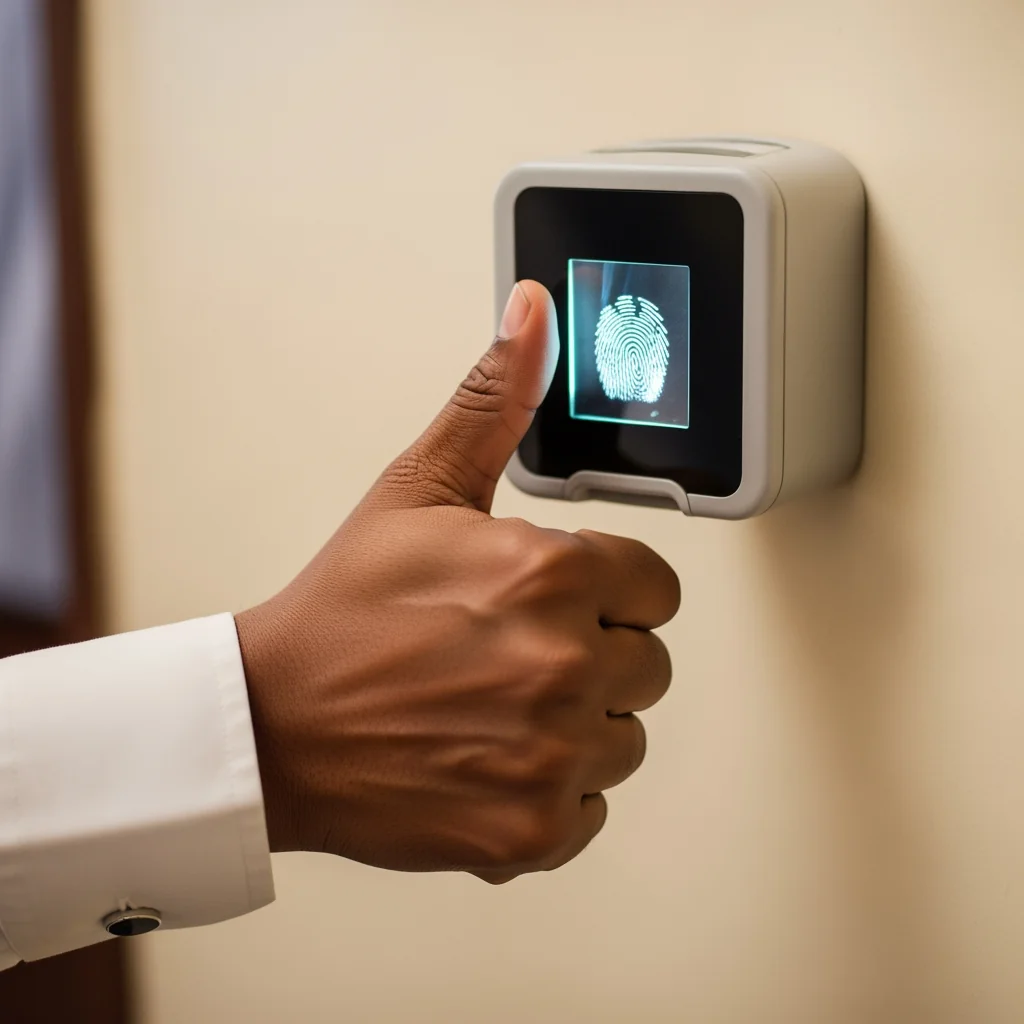
A verification officer at an IPPIS center said: “A man came with ten files. He thought we would stamp all ten. We scanned his thumb once. The system rejected nine names. He looked at his hand like it had betrayed him.”
The system now possesses the capability to detect double entries and flag accounts that share the same biometric data. Many people find this transition difficult, as the old ways provided a cushion for those who mastered the art of identity duplication. However, the expansion of the new system is undeniable for the collective progress of the state.
The administration now holds a mirror to the workforce, and the image it sees is becoming more accurate with each passing month. This shift toward digital accuracy is a requirement for a modern economy that seeks to optimize its human resources.
The Financial Discipline
The financial activity of the state thrives when the payroll is clean and the workers are real. The funds recovered from the removal of ghost workers provide the capital for the expansion of public projects. This progress is visible in the completion of roads and the upgrade of hospitals across the federation.
The elimination of the phantom workforce is a direct path to better services for the common man. Public servants who perform their duties with integrity now find a system that values their presence. The protection of the salary of the honest worker is a priority for the digital administrator. When the treasury stops paying for ghosts, it finds the capacity to pay the living a fair wage.
A teacher whose salary now arrives on time said: “Before, my money fed ten ghosts. Now it feeds my family. That is the difference the thumbprint made.”
This discipline in the management of public funds creates a foundation for the progress of the entire nation. The digital space of the public service is undergoing a transformation that favors the transparent over the hidden. The ghost with ten names is a relic of a time when the eyes of the state were dim.

Today, the light of technology shines on the ledgers, and the shadows are forced to retreat. The future of the civil service belongs to the individual who stands with a single name, a single identity, and a commitment to the progress of the land.
The story of The Civil Servant with Ten Names is a lesson in the power of systems over intentions. A weak system invites the creation of phantoms. A strong system demands the presence of truth. The expansion of digital audits continues to reveal the depth of the administrative challenges inherited from the past.
Each discovery is a step toward a treasury that serves the people rather than the shadows. The progress of the federation is tied to the accuracy of its records and the integrity of its payroll.

Data Fortress
Protecting State Secrets from Internet Thieves
Guarding the pulse of the nation requires Protecting State Secrets with precision. Discover how digital safety preserves the sovereignty of the system.

Protecting State Secrets from Internet Thieves
Digital files possess a weight that physical folders lack because they move at the speed of light across the wire. Protecting State Secrets involves a deep understanding of how information flows through the invisible wires of the nation.
The old guard remembers the heavy smell of damp archives in the basement of the Secretariat, but today the scent of dust has been replaced by the dry heat of server rooms. Expecting a digital file to persist in private without encryption is like expecting a bag of rice to sit outside in the rain and stay dry.
The threat of the internet thief is constant and requires a mind that looks beyond the obvious. Security resides in the silence of the background, working while the city sleeps and the generators hum. Protecting the pulse of the nation requires a shift in how we perceive the digital air around us.
Encryption of the highest level serves as the first line of defense against those who seek to harvest what belongs to the public. Each bit of data carries the weight of the sovereignty of the nation.
The Silent Guardians of the Digital Border

Guarding the secrets of the state is a task for the patient and the precise. The internet thief thrives on the casual nature of an officer who forgets to lock a digital door. Protecting State Secrets necessitates a culture where security feels as natural as breathing the morning air in a quiet office.
Leon Panetta, former Director of the CIA, once observed:
“The next Pearl Harbor we confront could very well be a cyber attack that dismantles our power grid, our transportation systems, our financial networks, and our government.”
This observation highlights the reality of the modern era where the battlefield has moved to the screen. The digital bridge we carry provides the path for communication, but it must be built with the strongest materials available.
A bridge that allows the flow of information must also possess the height to keep the thieves from climbing over the side.
Data breaches in the public sector cost an average of 4.45 million dollars globally according to recent reports. This figure represents more than just money; it represents a loss of the trust of the people.
Vigilance of the system ensures that the intentions of the state reside within the walls of the state.
The Digital Bridge and the Human Factor
Human error provides the most common entry point for those who wish to disrupt the peace of the nation. Protecting State Secrets involves training the mind to recognize the subtle hook of a phishing email.
Expecting an untrained officer to spot a deepfake is like expecting a dry tap to suddenly bring cold water during a heatwave. We provide the digital bridge that connects the street to the office, ensuring the connection remains firm and impenetrable.
Each single person in the hierarchy holds a piece of the shield. If one person falters, the entire wall feels the pressure of the attack. Bruce Schneier, a world-renowned security expert, famously said:
“Security is a process, not a product.”
While he used the word that we avoid, the sentiment holds that constant activity is the price of safety. The discipline of the staff creates a barrier that no software can replicate on its own.
A locked door is only useful if the person with the key remembers to turn the bolt.

Nigerians understand the value of a secret told in a whisper. The internet, however, is a place where whispers can become shouts if the walls have ears. Protecting State Secrets means building walls that absorb the sound before it reaches the outside world.
Modern Tools for Ancient Responsibilities
Technological expansion provides new ways to shield the operations of the government. The yield of the investment in secure servers manifests in the stability of the public service.
Protecting State Secrets requires the adoption of systems that recognize the identity of the user before granting access. Hoping a simple password like a birth date will protect a document is like hoping a piece of string will hold a hungry lion inside a cage.
Complex authentication methods ensure that only the authorized few enter the inner rooms of the digital secretariat. The progress of the nation depends on the integrity of the data we hold.
The digital bridge we offer creates a path for the secure transfer of the most sensitive files. This path avoids the open roads where the thieves lie in wait for the unwary traveler.
The yielding of the data must be a controlled and deliberate act of the state.
Preserving the Future of the State
As the world moves further into the digital age, the methods of the thief will evolve. Protecting State Secrets is a task that has no end, only a series of improvements.
The expansion of the network brings more eyes, which necessitates more shields. The smell of old paper may exist in the past, but the responsibility of the office exists in the present.
The activity of the guard must match the activity of the thief. When the state protects its secrets, it protects the future of each citizen who relies on the stability of the system.
Finality in security is a myth; instead, we seek the persistence of safety through constant observation. The digital bridge is the neutral path through which the nation grows in yield and activity.
Protecting State Secrets is the foundation upon which the house of the nation stands tall against the storms of the internet. In the end, the system survives because the people within it value the silence of the vault over the noise of the street.
The progress of the defense ensures that the thieves find only empty rooms and locked gates. We walk this path with the authority of those who have seen the weight of the files and know the value of the silence.

The Market Fire and the Silent Alarm That Failed Us

The Clerk Who Buried the Truth in a Dusty Drawer

The Scholarship That Never Left Asaba for the Youth

A Road That Exists Only on Paper and Not in the Soil

When the Transformer Blew in July and the Town Cried

The Civil Servant with Ten Names and One Salary

How Flood Water in the Governor’s Inbox Changed Policy

The Missing File of the Widow’s Land and the New Law

The Contractor and the Half-Built Bridge of Sighs

Hunting Ghost Workers in the Primary School

How Digital Records Stop Money Leakage in Government Offices

Using Cameras to Watch Big Markets and Busy Roads

Internet Sovereignty: Why Some Countries Want Their Own Separate Internet

The Smallest Change That Will Affect All Digital Operations

How One Misplaced Dot Broke a Bank Login Page

The Untold Story Of The Nigerian Who Helped Build Global Internet Systems

Nigerian Hackers: The Global Fraud Story and Its Fallout

Forgotten Satellites Defy Silence, Beaming Signals for Decades

Do Not Allow Your Digital Store to Shut Down:

Implement Local SEO Fixes for Lagos: Beat Google Maps Competitors

Core Web Vitals Checklist: How to Achieve a Near-Perfect Score on Mobile Devices

Nigeria Enter One Chance? Insecurity and Sachet Economy in 2026

The “Village People” Aren’t Blocking Your Sales; Your Bad SEO Is.

The N5 Million Mistake: Why You Should Never Save Client Data in a Notebook
 Edutech Portal2 weeks ago
Internet Sovereignty: Why Some Countries Want Their Own Separate Internet
- Edutech Portal2 weeks ago
The Smallest Change That Will Affect All Digital Operations
- Digital Hustle2 weeks ago
How One Misplaced Dot Broke a Bank Login Page
- Edutech Portal2 weeks ago
The Untold Story Of The Nigerian Who Helped Build Global Internet Systems
- Edutech Portal2 weeks ago
Nigerian Hackers: The Global Fraud Story and Its Fallout
- Edutech Portal2 weeks ago
Forgotten Satellites Defy Silence, Beaming Signals for Decades
- Edutech Portal2 weeks ago
Do Not Allow Your Digital Store to Shut Down:
- Edutech Portal2 weeks ago
Implement Local SEO Fixes for Lagos: Beat Google Maps Competitors